-
- PCB TYPE
- PRINTED CIRCUIT BOARD PROTOTYPE ALUMINUM PRINTED CIRCUIT BOARD R&F PCB FPC HIGH FREQUENCY PCB HIGH-TG PCB HEAVY COPPER PCB HDI PCB PCB FOR LIGHTING METAL CORE PCB


FR4 PCB stands as the most widely used printed circuit board material in the electronics industry, prized for its unique blend of affordability, mechanical strength, and electrical insulation. Derived from glass-reinforced epoxy laminate, FR4 has become the backbone of devices ranging from simple consumer gadgets to complex industrial systems. Its name, "FR4," refers to its flame-retardant (FR) properties and classification under NEMA standards, where "4" denotes a woven glass reinforcement with an epoxy resin binder. This article explores the composition, manufacturing processes, performance characteristics, and diverse applications of FR4 PCB, highlighting why it remains the material of choice for engineers and manufacturers worldwide. By examining its evolution, key properties, and future trends, we uncover the enduring relevance of FR4 in an era of rapidly advancing electronics.
What is the actual thermal conductivity of FR4? Learn the technical limits (0.25 W/m·K) and discover 5 ways to optimize heat dissipation using thermal vias and heavy copper. Download the thermal management guide from ApolloPCB.
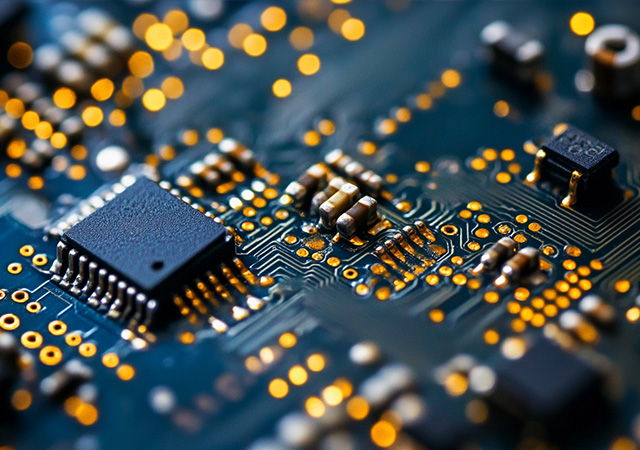
As electronic devices continue to shrink while packing more power, the demand for PCB materials that can efficiently manage heat has never been greater. Enter the Improved Thermal FR4 PCB Material—a next-generation variant of the industry-standard FR4 laminate, engineered to address the thermal limitations of conventional FR4. While traditional FR4 offers a thermal conductivity of ~0.3W/mK, improved thermal FR4 materials push this range to 0.5–1.0W/mK, striking a critical balance between enhanced heat dissipation, cost-effectiveness, and compatibility with existing manufacturing processes. This advancement is transformative for applications ranging from mid-power LED drivers to industrial motor controllers, where excessive heat can compromise reliability and lifespan. In this article, we explore the science behind improved thermal FR4, its key properties, manufacturing innovations, design implications, and real-world applications, highlighting why it has become a cornerstone of modern
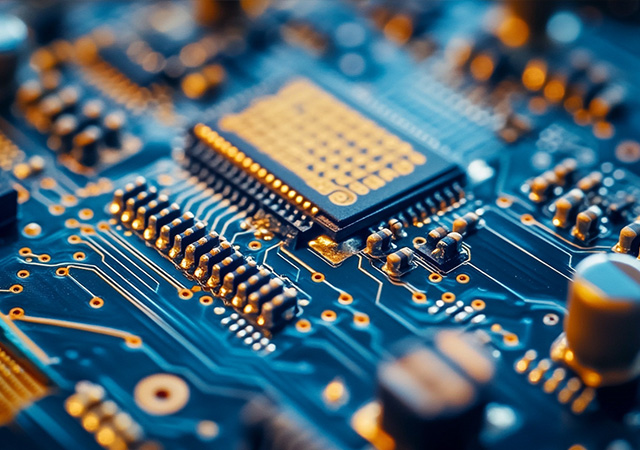
Is 0.3 W/m·K thermal conductivity enough for your PCB? Explore the limits of standard FR4 and learn how to balance heat management with cost. Discover optimization techniques like thermal vias at ApolloPCB. Read our technical guide.
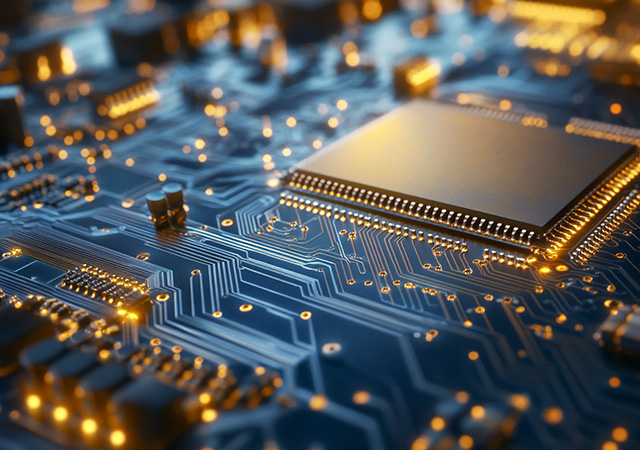
FR4 PCB has long been the backbone of the electronics industry, a material whose versatility and reliability have enabled the proliferation of devices from simple calculators to complex 5G infrastructure. Yet, far from being a static technology, FR4 PCB continues to evolve, driven by demands for higher performance, greater sustainability, and compatibility with emerging technologies. This article explores the latest advancements in FR4 PCB, from material science breakthroughs to innovative manufacturing techniques, while examining its expanding role in cutting-edge applications. By delving into its evolving properties, competitive advantages over alternative materials, and future potential, we uncover why FR4 remains indispensable—even as electronics push into new frontiers of speed, power, and miniaturization.


Got project ready to assembly? Contact us: info@apollopcb.com



 Whatsapp 0086 755 29438407
 Mail info@apollopcb.com
 Tel 0086 755 29438407


ABOUT US

PRODUCTS
TECHNOLOGY
KNOWLEDGE CENTRE
CULTURE
NEWS
We're not around but we still want to hear from you! Leave us a note:

Leave Message to APOLLOPCB