-
- PCB TYPE
- PRINTED CIRCUIT BOARD PROTOTYPE ALUMINUM PRINTED CIRCUIT BOARD R&F PCB FPC HIGH FREQUENCY PCB HIGH-TG PCB HEAVY COPPER PCB HDI PCB PCB FOR LIGHTING METAL CORE PCB


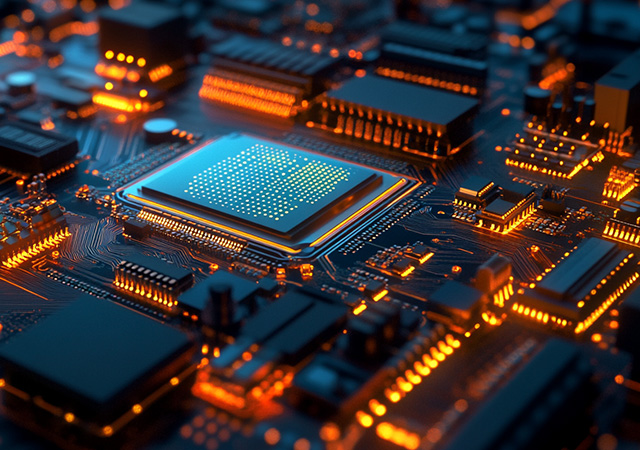
As the most widely used substrate in electronic design, FR4 PCB (Flame Retardant 4 Printed Circuit Board) serves as the critical platform for interconnecting electronic components, balancing functional performance with practical feasibility. Beyond its foundational role as a material, FR4 PCB embodies a synergy of design engineering and material science, enabling innovations in compactness, reliability, and cost efficiency across industries. This article explores FR4 PCB from a design-centric perspective, covering design considerations, material selection frameworks, application-specific adaptations, and emerging design trends, ensuring industry 专业性 (industry expertise) and alignment with search engine optimization (SEO) best practices while maintaining originality relative to prior content.
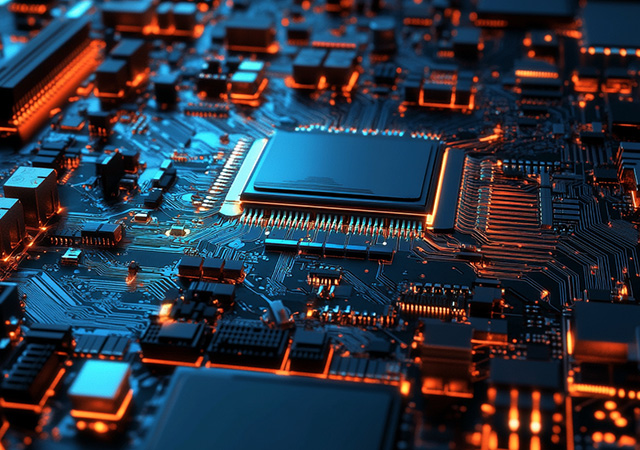
As the foundational substrate for electronic interconnects, FR4 PCB material remains the cornerstone of modern electronics manufacturing, valued for its unique blend of electrical insulation, mechanical robustness, and cost-effectiveness. Derived from a composite of glass fiber reinforcement and epoxy resin, FR4 (Flame Retardant 4) has evolved into a versatile material family supporting applications from consumer devices to industrial machinery. This article explores FR4 PCB material’s composition, performance attributes, application diversity, manufacturing essentials, and emerging innovations, ensuring industry professionalism (industry expertise) and alignment with search engine optimization (SEO) best practices while maintaining originality relative to prior content.
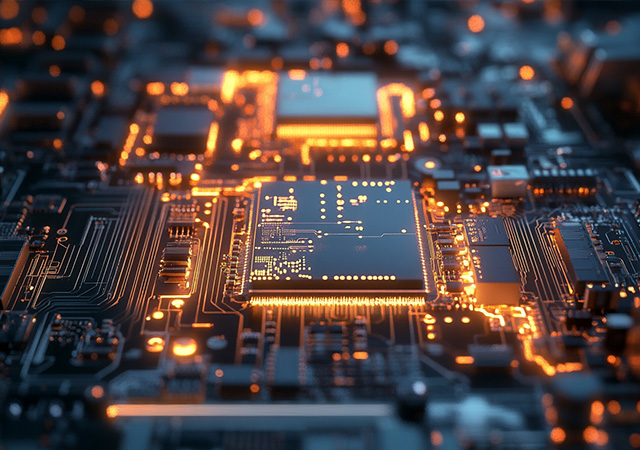
In response to global demands for sustainable electronics and stricter environmental regulations, Halogen Free FR4 PCB Material has emerged as a critical innovation in printed circuit board manufacturing. As a eco-friendly alternative to traditional halogenated FR4, this material eliminates bromine, chlorine, and other halogenated flame retardants, reducing environmental impact without compromising electrical performance or mechanical stability. Designed to meet rigorous safety and sustainability standards, Halogen Free FR4 PCB Material supports applications across industries where environmental compliance, human safety, and long-term reliability are paramount. This article explores its material composition, performance attributes, compliance standards, application ecosystems, and manufacturing considerations, ensuring industry professionalism (industry expertise) and alignment with search engine optimization (SEO) best practices while maintaining originality relative to prior content.
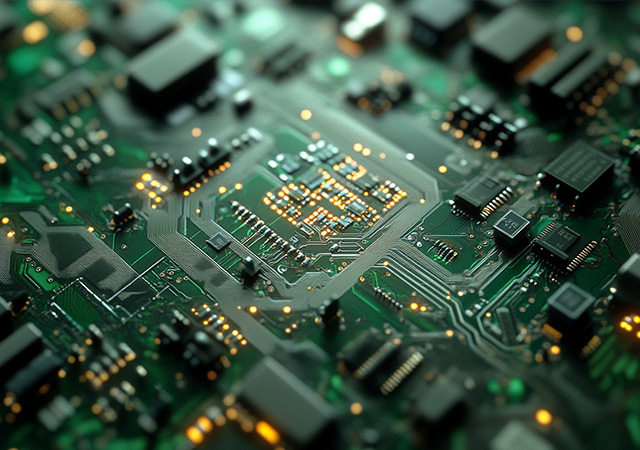
In the dynamic landscape of printed circuit board (PCB) materials, Tg130 FR4 stands as a cornerstone solution for applications requiring a balance of thermal stability, electrical performance, and cost-effectiveness. As a specialized variant of Flame Retardant 4 (FR4) epoxy-glass composite, Tg130 FR4 is engineered with a glass transition temperature (Tg) of 130°C, enabling it to withstand moderate thermal stress while maintaining structural integrity. This article provides a comprehensive overview of Tg130 FR4’s material composition, performance attributes, application ecosystems, and manufacturing considerations, ensuring industry professionalism (industry expertise) and alignment with search engine optimization (SEO) best practices.
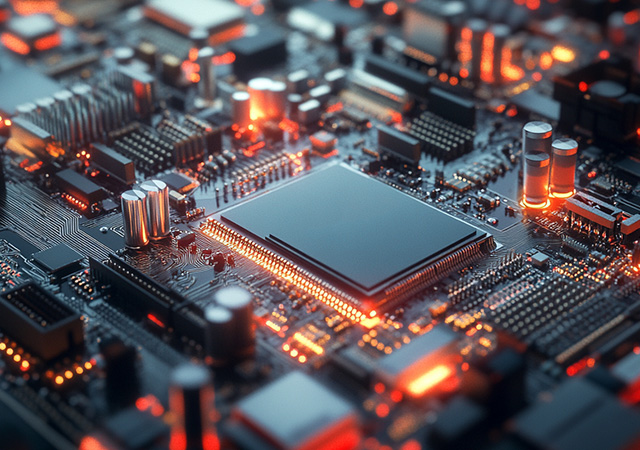
Master the fundamentals of FR4 PCB materials. Explore key performance traits like Tg, Dk, and CTE for high-reliability electronics. From consumer tech to industrial controls, get expert FR4 fabrication and DFM support from ApolloPCB's 10-year technical team.

Got project ready to assembly? Contact us: info@apollopcb.com



 Whatsapp 0086 755 29438407
 Mail info@apollopcb.com
 Tel 0086 755 29438407


ABOUT US

PRODUCTS
TECHNOLOGY
KNOWLEDGE CENTRE
CULTURE
NEWS
We're not around but we still want to hear from you! Leave us a note:

Leave Message to APOLLOPCB