




-
- PCB TYPE
- PRINTED CIRCUIT BOARD PROTOTYPE ALUMINUM PRINTED CIRCUIT BOARD R&F PCB FPC HIGH FREQUENCY PCB HIGH-TG PCB HEAVY COPPER PCB HDI PCB PCB FOR LIGHTING METAL CORE PCB


time:Jun 28. 2025, 10:02:02
In the rapidly evolving electronics industry, the demand for environmentally responsible solutions has propelled Halogen Free Aluminum Printed Circuit Boards (PCBs) to the forefront of sustainable manufacturing. These boards combine the thermal efficiency and mechanical robustness of aluminum PCBs with the eco-friendly advantages of halogen-free materials, addressing both performance needs and global environmental regulations. This article explores the technical foundations, manufacturing advancements, environmental benefits, and diverse applications of halogen-free aluminum PCBs, highlighting their role in shaping the future of green electronics.
Halogen Free Aluminum PCBs are defined by the absence of halogen elements—including chlorine (Cl) and bromine (Br)—in key components such as dielectric layers, solder masks, and surface finishes. This differentiation from traditional PCBs, which often rely on halogenated flame retardants (HFRs), aligns with global regulations like REACH and RoHS. The integration of aluminum as the base material preserves thermal conductivity (≥1.5 W/m·K) and mechanical strength, while halogen-free formulations reduce toxic emissions and enhance recyclability.
Key environmental advantages include:
Reduced Toxic Emissions: Eliminating halogenated gases like dioxins during manufacturing and use.
Enhanced Recyclability: Facilitating easier material recovery without halogen contamination.
Regulatory Compliance: Meeting strict global standards for hazardous substance restriction.
Advanced Dielectric Layer Formulations
Halogen-free dielectric materials leverage:
Phosphorus-Contained Resins: Providing flame retardancy without halogens.
Ceramic-Filled Polymers: Boosting thermal conductivity while maintaining electrical insulation (dielectric constant ≤3.5 at 1 MHz).
Silicone-Modified Compounds: Offering flexibility and high-temperature resistance (up to 200°C).
These materials undergo rigorous testing to ensure volume resistivity (≥10¹³ Ω·cm) and thermal stability, matching the performance of traditional halogenated dielectrics.
Halogen-Free Surface Finishes and Coatings
Critical surface treatment advancements include:
Lead-Free Solder Finishes: Tin-based alloys (e.g., Sn-Cu-Ni) compliant with RoHS.
Water-Based Solder Masks: Acrylic or epoxy systems with inorganic flame retardants.
Electroless Nickel Immersion Gold (ENIG): Halogen-free plating processes avoiding bromide in baths.
Organic Solderability Preservatives (OSP): Solvent-free formulations for corrosion protection.
Despite the absence of halogens, halogen-free aluminum PCBs maintain:
Thermal Management: Equivalent heat dissipation through optimized dielectric fillers.
Electrical Reliability: Comparable insulation resistance and dielectric breakdown voltage.
Mechanical Durability: Similar flexural strength (≥200 MPa) and impact resistance.
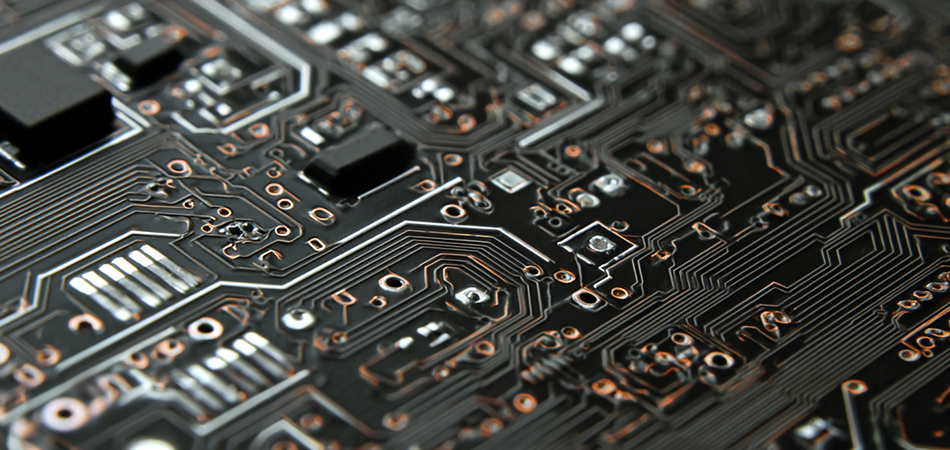
Aluminum Substrate Selection
High-purity aluminum alloys (e.g., 1060 or 5052 series) are preferred for:
Chromate-Free Surface Treatments: Zirconium or titanium-based conversion coatings instead of hexavalent chromium.
Recycled Content: Ensuring post-consumer aluminum does not introduce contaminants.
Anodizing: Creating protective oxide layers without halogen-based chemicals.
Halogen-Free Dielectric Lamination
Lamination processes employ:
Vacuum Hot Pressing: At 160–190°C and 6–8 MPa to cure halogen-free prepregs.
Adhesives: Formaldehyde-free formulations with high bond strength (≥5 N/mm) between layers.
Nitrogen Purging: During curing to prevent oxidation and ensure uniform cross-linking.
Circuit Patterning
Halogen-Free Photoresists: Chemical amplification resists compatible with water-based developers.
Eco-Friendly Etchants: Ammonium persulfate or ferric chloride solutions for copper patterning.
Laser Direct Imaging (LDI): Enabling fine-line traces (≤75 μm) with minimal chemical usage.
Drilling and Vias
Diamond-Coated Drill Bits: For aluminum substrates to minimize burr formation.
Water-Based Coolants: Replacing halogenated fluids to reduce environmental impact.
Laser Drilling: For microvias (≤100 μm) in high-density boards, eliminating mechanical stress.
Chemical Compliance Testing
X-Ray Fluorescence (XRF): To detect heavy metals in raw materials.
Ion Chromatography: Ensuring Cl/Br content <900 ppm in dielectrics.
GC-MS Analysis: Identifying trace organic contaminants in surface finishes.
Performance Validation
Thermal Cycling: -40°C to +125°C for 1,000 cycles to assess reliability.
Humidity Testing: 85°C/85% RH for 1,000 hours to evaluate moisture resistance.
Solder Joint Fatigue Testing: Under thermal stress to ensure long-term durability.
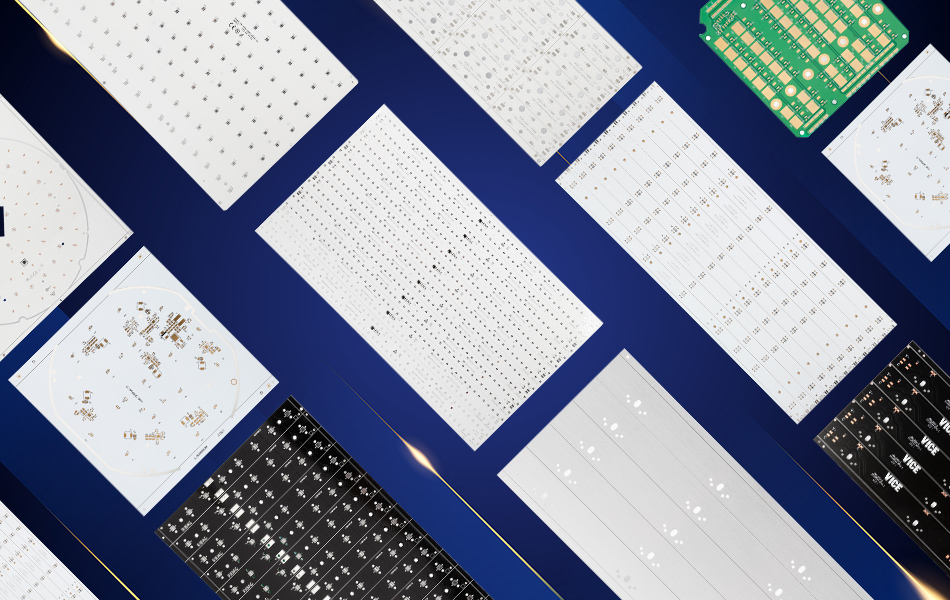
Mobile Devices
5G Smartphones: Cooling high-power RF modules and APUs without halogenated materials.
Laptops and Tablets: Enabling slim profiles with integrated thermal management.
Wearables: Flexible halogen-free PCBs for health monitors and IoT devices.
Home Appliances
Smart Thermostats: Withstanding high temperatures in HVAC systems.
Induction Cooktops: Ensuring safety and reliability in kitchen appliances.
Sustainable Packaging: PCBs designed for easy recycling at end-of-life.
Electric Vehicles (EVs)
Battery Management Systems (BMS): Preventing thermal runaway with efficient heat dissipation.
Inverter Systems: Handling high-voltage (≥400V) applications safely.
Charging Modules: Meeting automotive industry eco-standards (e.g., ELV Directive).
Advanced Driver Assistance Systems (ADAS)
LiDAR and Camera Modules: Ensuring signal integrity in harsh environments.
Powertrain Control Units: Withstanding vibrations and temperature fluctuations.
Healthcare Equipment
Implantable Devices: Halogen-free PCBs for long-term biocompatibility.
Diagnostic Instruments: Resistant to sterilization processes (autoclave and gamma radiation).
Wearable Monitors: Flexible designs for patient comfort and safety.
Industrial Automation
Robotics and PLCs: Withstanding dust, moisture, and chemical exposure.
Renewable Energy Inverters: Solar and wind power systems requiring low environmental impact.
Oil & Gas Equipment: Flame-retardant PCBs for hazardous locations.
Aerospace and Defense
Satellite Electronics: Low-outgassing materials for vacuum environments.
Avionics Systems: Resistant to radiation and extreme temperatures.
Defense Communications: Secure, eco-friendly PCB solutions for tactical equipment.
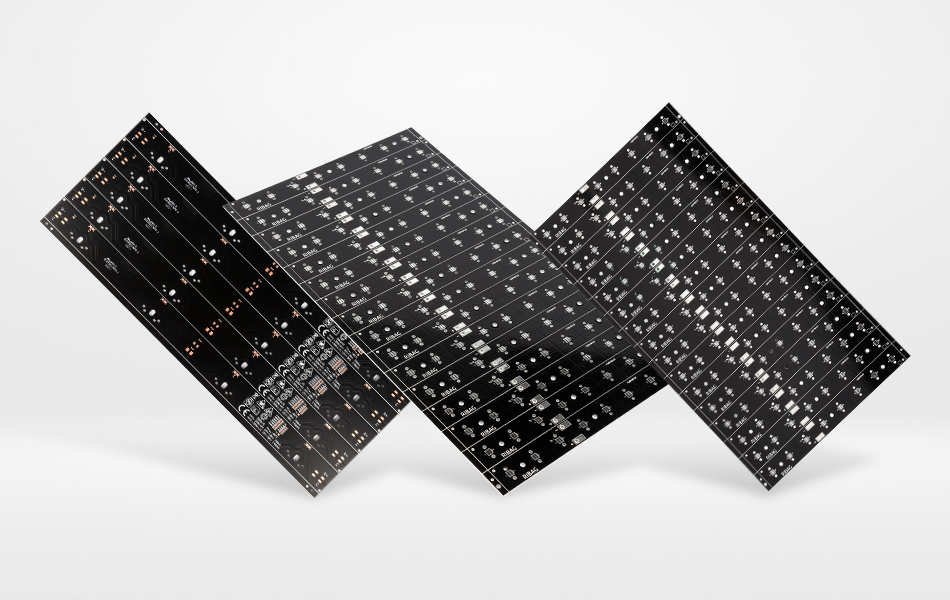
RoHS 3: Restricting 10 hazardous substances, including halogenated flame retardants.
REACH SVHC List: Over 200 substances requiring notification or restriction.
IPC-4101G: Specifying halogen-free base material requirements (Cl ≤900 ppm, Br ≤900 ppm).
UL94 V-0: Halogen-free flame retardancy certification for plastics.
Supply Chain Management
Supplier Audits: Ensuring raw materials meet REACH and RoHS standards.
Material Declaration Systems: Using platforms like IPC-1752 for digital compliance tracking.
Closed-Loop Sourcing: Partnering with recyclers to reduce virgin material usage.
Manufacturing Process Optimization
Zero-Discharge Processes: Minimizing wastewater and air emissions.
Energy-Efficient Equipment: Using low-power CNC machines and LED curing systems.
Digital Twins: Simulating manufacturing to reduce material waste.
Product Lifecycle Management
Eco-Labeling: Communicating halogen-free credentials to consumers.
End-of-Life Planning: Designing PCBs for easy disassembly and recycling.
Carbon Footprint Calculation: Tracking emissions from raw material to disposal.
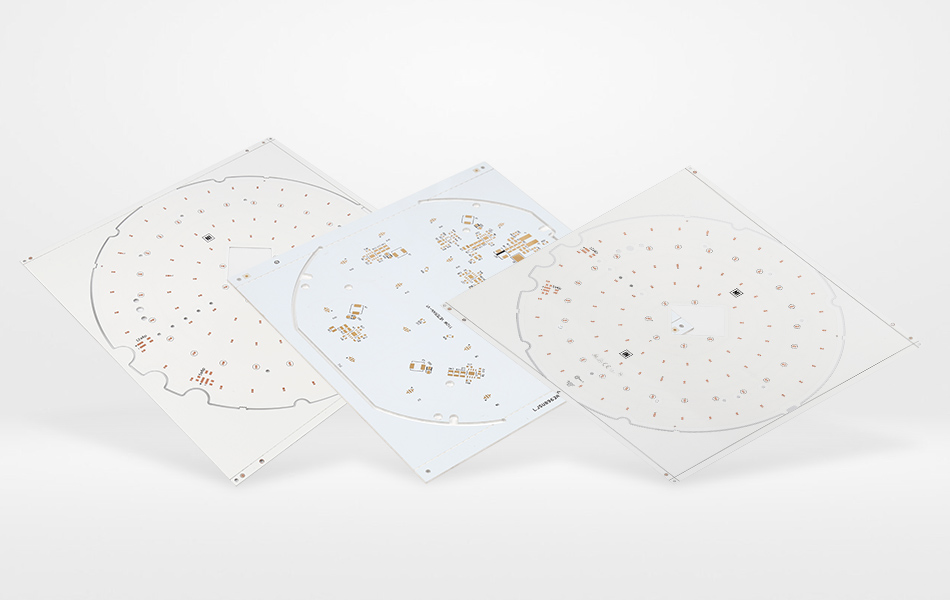
Biobased Polymers: Dielectrics derived from plant sources (e.g., soy-based epoxies).
Graphene Oxide Fillers: Enhancing thermal conductivity by 30%+ in halogen-free dielectrics.
Self-Healing Materials: Polymers that repair micro-cracks to extend PCB lifespan.
Additive Manufacturing: 3D-printed vias and traces for reduced material waste.
Plasma Etching: For precise surface modification without hazardous chemicals.
AI-Driven Quality Control: Predictive analytics to detect compliance issues proactively.
PCB Recycling Networks: Industrial symbiosis for aluminum and copper recovery.
Second-Life Applications: Repurposing PCBs in low-power devices like sensors.
Product-as-a-Service Models: Leasing PCBs to ensure proper end-of-life handling.
6G and mmWave Devices: Low-loss halogen-free PCBs for next-gen connectivity.
Artificial Intelligence Hardware: High-density boards for AI accelerators.
Quantum Computing: Ultra-reliable PCBs for quantum bit control systems.
Economies of Scale: Increasing production volumes to reduce material costs.
Government Incentives: Leveraging green manufacturing subsidies.
Design for Cost: Optimizing layer counts and materials for specific applications.
Multi-Material Laminates: Combining halogen-free dielectrics with thermally conductive adhesives.
Thermal Via Optimization: Strategic via placement to compensate for minor thermal conductivity gaps.
Advanced Cooling Solutions: Integrating heat pipes or vapor chambers in high-power designs.
Harmonization Efforts: Supporting industry initiatives for unified global standards.
Regulatory Monitoring Tools: AI-driven systems to track evolving chemical restrictions.
Regional Compliance Hubs: Centralizing testing and documentation for different markets.
Halogen Free Aluminum PCBs represent a pivotal advancement in sustainable electronics, merging technological innovation with environmental stewardship. As global regulations tighten and consumer awareness of sustainability grows, these boards are set to become the industry norm across sectors from consumer electronics to aerospace. By addressing challenges in material science, manufacturing, and recycling, halogen-free aluminum PCBs not only meet regulatory requirements but also drive innovation in thermal management, miniaturization, and reliability. Their ability to balance performance, compliance, and eco-friendliness positions them as a cornerstone of the circular economy in electronics, paving the way for a greener and more sustainable technological future.
Related Articles:
High-Voltage Aluminum PCB | Aluminum Core & Clad PCB Experts | ApolloPCB
Custom Aluminum PCB Solutions | Metal Core PCB Manufacturer
HA80 Aluminum PCB Specifications: Technical Foundations and Industrial Adaptability
Counterbore Holes in Aluminum PCBs: Design, Manufacturing, and Applications
Blind and Buried Vias in Aluminum PCBs: Elevating High-Frequency Circuit Design
Single Layer Aluminum PCB A Fundamental Pillar in Modern Electronics
LED Lighting Aluminum PCB: Unveiling the Key to Illumination Innovation

Got project ready to assembly? Contact us: info@apollopcb.com



 Whatsapp 0086 755 29438407
 Mail info@apollopcb.com
 Tel 0086 755 29438407


ABOUT US

PRODUCTS
TECHNOLOGY
KNOWLEDGE CENTRE
CULTURE
NEWS
We're not around but we still want to hear from you! Leave us a note:

Leave Message to APOLLOPCB
