-
- PCB TYPE
- PRINTED CIRCUIT BOARD PROTOTYPE ALUMINUM PRINTED CIRCUIT BOARD R&F PCB FPC HIGH FREQUENCY PCB HIGH-TG PCB HEAVY COPPER PCB HDI PCB PCB FOR LIGHTING METAL CORE PCB



Explore the advantages and applications of CEM3 PCBs in this detailed guide. Discover why CEM3 PCB is a cost-effective alternative to FR4 in electronics.

Explore the benefits of high CTI value CEM3 PCBs for enhanced safety, reliability, and cost-effectiveness in electronic devices. Perfect for diverse applications!

Explore the benefits of CTI 600 CEM3 PCB substrate, a top choice in PCB manufacturing for its high CTI value, superior insulation, and versatile applications.

Discover the benefits of high CTI CEM3 material with a 600V rating, ideal for safe and reliable high-voltage applications in electronics and automotive industries.
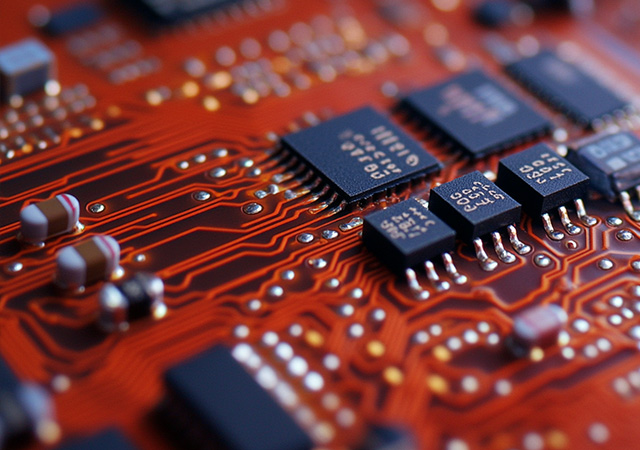
CEM3 PCB has evolved beyond traditional mid-tier electronics to become a cornerstone of emerging technologies, offering a unique blend of mechanical robustness, dielectric stability, and cost efficiency that bridges basic substrates and high-end materials. Unlike specialized PCBs limited to niche uses, CEM3 PCB’s adaptability makes it indispensable in rapidly growing sectors such as 5G infrastructure, smart healthcare devices, and sustainable energy systems.Modern electronics demand substrates that can handle mixed-signal environments, harsh operating conditions, and miniaturized designs—requirements that generic CEM1 or even standard FR4 often fail to meet without excessive cost. CEM3 PCB addresses this by integrating advanced material formulations and design flexibility, enabling it to support higher power densities, faster signal speeds, and longer lifespans in diverse applications.This article explores CEM3 PCB’s role in emerging industries, material innovations enhancing its perfo

Got project ready to assembly? Contact us: info@apollopcb.com



 Whatsapp 0086 755 29438407
 Mail info@apollopcb.com
 Tel 0086 755 29438407


ABOUT US

PRODUCTS
TECHNOLOGY
KNOWLEDGE CENTRE
CULTURE
NEWS
We're not around but we still want to hear from you! Leave us a note:

Leave Message to APOLLOPCB