-
- PCB TYPE
- PRINTED CIRCUIT BOARD PROTOTYPE ALUMINUM PRINTED CIRCUIT BOARD R&F PCB FPC HIGH FREQUENCY PCB HIGH-TG PCB HEAVY COPPER PCB HDI PCB PCB FOR LIGHTING METAL CORE PCB


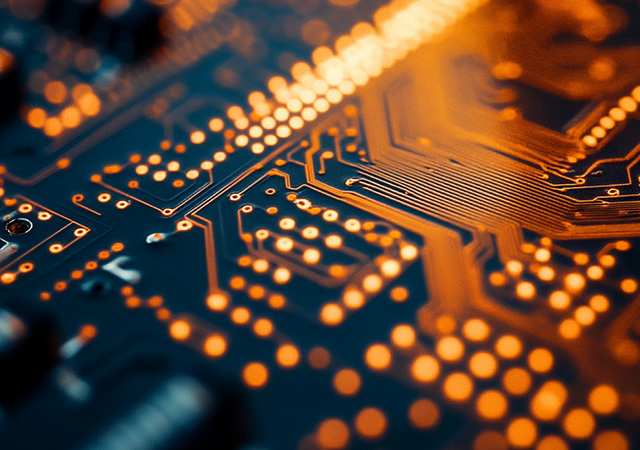
CEM3 PCB has emerged as a cornerstone of accessible electronics, providing a cost-effective yet reliable platform for a vast array of devices. As a printed circuit board built from Composite Epoxy Material-3, it occupies a unique space between budget-friendly paper-based substrates and high-performance FR4, offering a pragmatic blend of mechanical stability, electrical insulation, and flame resistance. This balance has made CEM3 PCBs indispensable in industries ranging from consumer electronics to light industrial automation, where performance requirements are moderate but reliability and cost-efficiency are non-negotiable. This article explores the unique attributes of CEM3 PCBs, their role in democratizing technology, design considerations for optimal performance, and their evolving applications in emerging markets, highlighting how they bridge the gap between functionality and affordability.
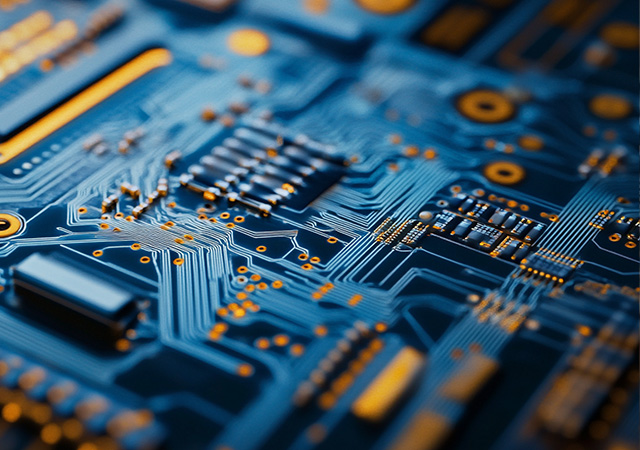
A CEM-3 PCB Manufacturer plays a pivotal role in the electronics supply chain, specializing in the production of printed circuit boards using Composite Epoxy Material-3 (CEM-3). Unlike manufacturers focused solely on high-volume or niche materials, CEM-3 PCB manufacturers excel in balancing versatility, quality, and cost-effectiveness, catering to a broad spectrum of industries from consumer electronics to industrial automation. CEM-3, with its hybrid structure of non-woven glass fiber core and woven glass fabric layers bonded by epoxy resin, offers a unique set of properties that make it ideal for applications requiring moderate mechanical strength, stable electrical performance, and flame resistance—without the premium price tag of high-performance alternatives like FR4. This article delves into the expertise, production processes, quality standards, and client-centric approaches that define a reputable CEM-3 PCB manufacturer, highlighting their role in enabling innovation across div
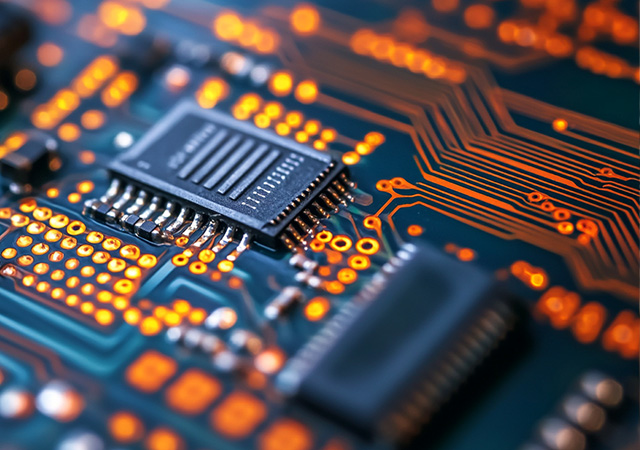
In the fast-paced world of electronics manufacturing, High Volume CEM3 PCB Manufacturing Service stands as a cornerstone for meeting the demands of mass-produced devices. CEM3 (Composite Epoxy Material-3) PCBs, with their balanced blend of performance, affordability, and reliability, are ideal for high-volume applications—from household appliances to consumer electronics—where consistency and cost-efficiency are paramount. High volume manufacturing services specialize in producing tens of thousands to millions of CEM3 PCBs, leveraging advanced automation, streamlined processes, and rigorous quality control to deliver uniform results at scale. This article explores the intricacies of high volume CEM3 PCB manufacturing, including production strategies, quality assurance measures, technological innovations, and the industries that rely on these services, highlighting how they bridge scalability and precision in modern electronics.
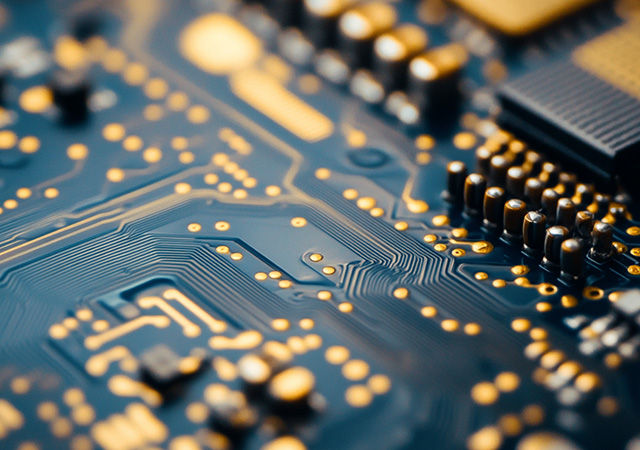
In the global electronics supply chain, ISO 9001 CEM-3 PCB Manufacturer China has emerged as a critical player, combining rigorous quality management with cost-effective production to meet the demands of industries worldwide. CEM-3 (Composite Epoxy Material-3) PCBs, valued for their balanced performance and affordability, require precise manufacturing processes to ensure reliability, and ISO 9001 certification—an international standard for quality management systems—serves as a benchmark for excellence in this field. Chinese manufacturers, leveraging their expertise in mass production, advanced facilities, and adherence to global standards, have become go-to partners for companies seeking high-quality CEM-3 PCBs at competitive prices. This article examines the role of ISO 9001-certified CEM-3 PCB manufacturers in China, their quality management practices, advantages for global clients, and impact on industries ranging from consumer electronics to automotive, highlighting how they bridg
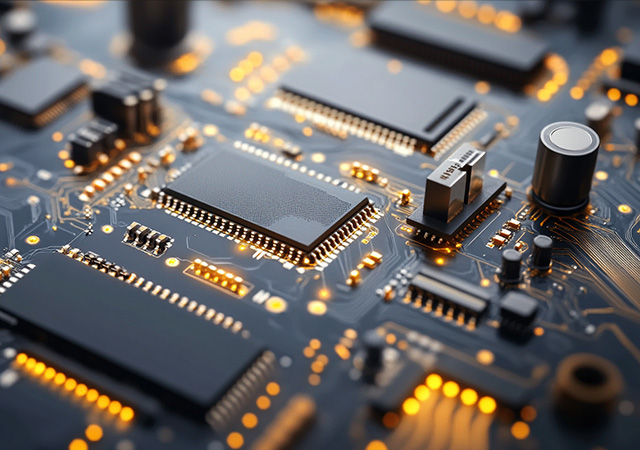
In an era where environmental regulations and corporate sustainability goals drive material innovation, Halogen-Free CEM3 PCB Material Suppliers play a pivotal role in bridging performance demands with eco-conscious manufacturing. Halogen-free CEM3 (Composite Epoxy Material-3) PCB materials eliminate bromine, chlorine, and other halogens—substances historically used as flame retardants but linked to toxic emissions during combustion. As global markets tighten restrictions on hazardous substances (e.g., EU RoHS, China RoHS 2.0), suppliers of these materials have become critical partners for electronics manufacturers seeking compliance without sacrificing functionality. This article examines the role of halogen-free CEM3 PCB material suppliers, their product offerings, quality standards, and the value they bring to industries ranging from consumer electronics to automotive, highlighting how they enable sustainable innovation in printed circuit board production.

Got project ready to assembly? Contact us: info@apollopcb.com



 Whatsapp 0086 755 29438407
 Mail info@apollopcb.com
 Tel 0086 755 29438407


ABOUT US

PRODUCTS
TECHNOLOGY
KNOWLEDGE CENTRE
CULTURE
NEWS
We're not around but we still want to hear from you! Leave us a note:

Leave Message to APOLLOPCB