-
- PCB TYPE
- PRINTED CIRCUIT BOARD PROTOTYPE ALUMINUM PRINTED CIRCUIT BOARD R&F PCB FPC HIGH FREQUENCY PCB HIGH-TG PCB HEAVY COPPER PCB HDI PCB PCB FOR LIGHTING METAL CORE PCB


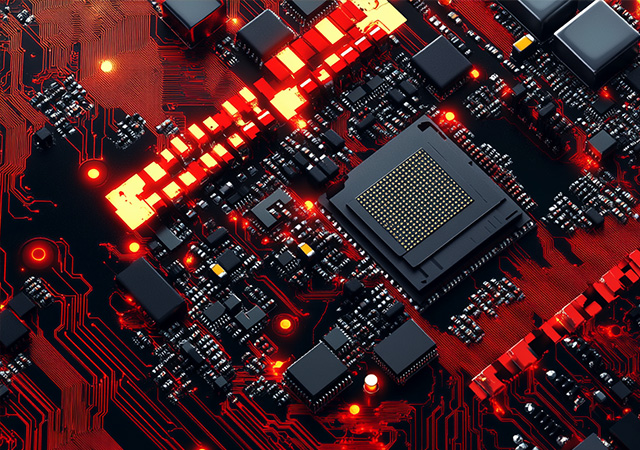
CEM-3-09HT High Temp PCB Material represents a specialized evolution of composite epoxy substrates, tailored explicitly to thrive in environments where sustained high temperatures and thermal cycling would degrade standard CEM3 or even mid-tier FR4 materials. Unlike general-purpose CEM3, which operates reliably in moderate thermal ranges, CEM-3-09HT is engineered to maintain structural integrity, electrical stability, and mechanical strength when exposed to prolonged heat—making it indispensable in industries like automotive under-hood systems, industrial heat processing, and high-power LED lighting. Its development addresses a critical gap: the need for a cost-effective, process-compatible substrate that can withstand extreme temperatures without sacrificing performance or manufacturability. This article examines the material science behind CEM-3-09HT’s high-temperature resilience, its core performance advantages, manufacturing considerations, and real-world applications where thermal
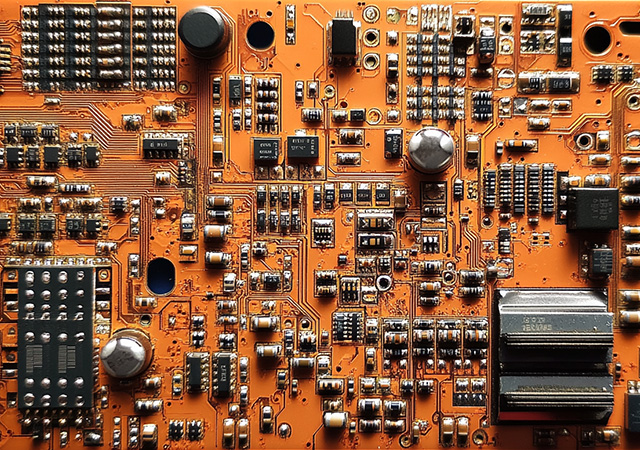
Maximize signal integrity in harsh environments with CEM-3 PCBs. Discover how composite epoxy materials offer stable dielectric constants and moisture resistance for high-frequency apps. Get expert CEM-3 fabrication from ApolloPCB's 10-year technical team.

low CTE CEM3 has become an indispensable material in the era of miniaturized electronics, where shrinking form factors and increasing power densities amplify the risks of thermal stress. As devices evolve to pack more functionality into smaller spaces—from wearable health monitors to compact industrial sensors—traditional substrates struggle to manage the thermal expansion mismatches that threaten reliability. low CTE CEM3 addresses this by minimizing dimensional changes across temperature fluctuations, acting as a stabilizing foundation for components that operate in tight proximity. Unlike standard CEM3, which can introduce stress through expansion, low CTE variants are engineered to align with the thermal behavior of adjacent materials, from copper traces to semiconductor chips. This article examines how low CTE CEM3 enables the next generation of miniaturized devices, its role in preventing thermal-induced failures, innovative testing approaches to validate its performance, and its
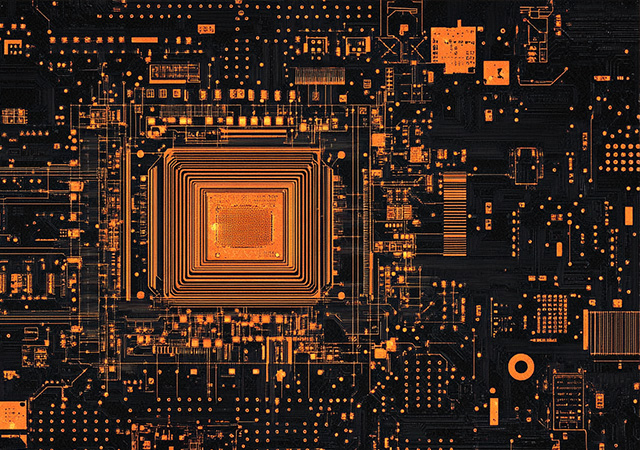
Improve device lifespan with Low CTE CEM-3 PCBs. Learn how managing the Coefficient of Thermal Expansion prevents solder joint failure in temperature-fluctuating environments. Explore ApolloPCB’s high-reliability composite material solutions today.
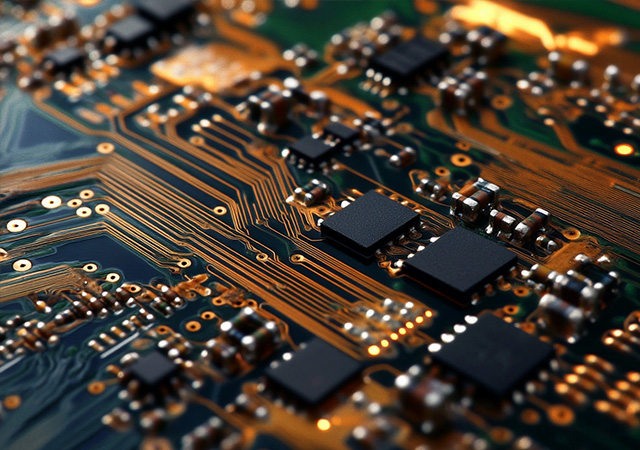
Low CTE CEM3 Material for High Stability has emerged as a cornerstone in electronics design, where maintaining dimensional integrity under varying temperatures is critical to performance. Unlike standard CEM3, which undergoes noticeable expansion and contraction with thermal changes, low CTE variants are engineered to resist such dimensional shifts, providing a stable platform for components that demand precision alignment. This stability is not merely a matter of durability; it directly impacts the functionality of devices ranging from high-frequency communication systems to precision measurement tools, where even micrometer-level shifts can disrupt signal integrity or measurement accuracy. This article explores how low CTE CEM3 material achieves high stability, its unique mechanisms for resisting thermal stress, applications in precision-critical industries, and advancements that further enhance its performance.

Got project ready to assembly? Contact us: info@apollopcb.com



 Whatsapp 0086 755 29438407
 Mail info@apollopcb.com
 Tel 0086 755 29438407


ABOUT US

PRODUCTS
TECHNOLOGY
KNOWLEDGE CENTRE
CULTURE
NEWS
We're not around but we still want to hear from you! Leave us a note:

Leave Message to APOLLOPCB