-
- PCB TYPE
- PRINTED CIRCUIT BOARD PROTOTYPE ALUMINUM PRINTED CIRCUIT BOARD R&F PCB FPC HIGH FREQUENCY PCB HIGH-TG PCB HEAVY COPPER PCB HDI PCB PCB FOR LIGHTING METAL CORE PCB


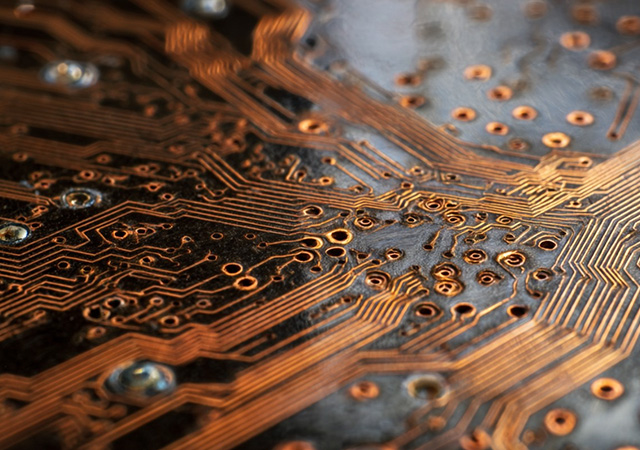
In the constantly evolving landscape of the electronics industry, Printed Circuit Boards (PCBs) serve as the backbone of countless electronic devices. Among the diverse array of PCB technologies, Single Layer Aluminum PCBs with 1oz Copper have emerged as a specialized solution that offers a unique combination of cost - effectiveness, thermal management capabilities, and electrical performance. This type of PCB leverages the properties of aluminum as a substrate and a 1oz copper layer for electrical traces, making it suitable for a wide range of applications where simplicity, heat dissipation, and reliable electrical connections are crucial. This article will comprehensively explore Single Layer Aluminum PCBs with 1oz Copper, delving into their fundamental characteristics, design considerations, manufacturing processes, applications, market dynamics, and future trends.
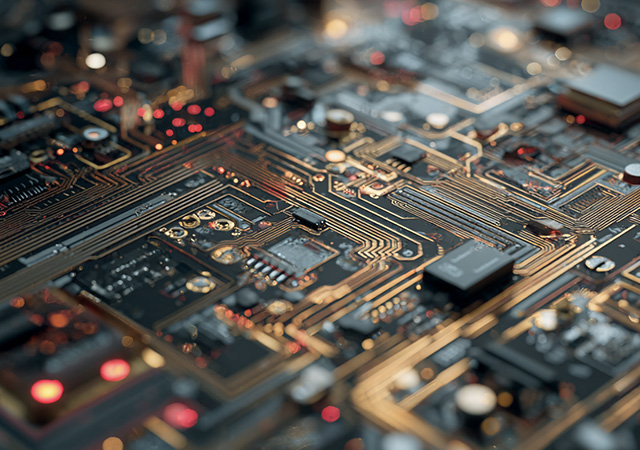
In the rapidly advancing realm of electronics, Printed Circuit Boards (PCBs) serve as the essential framework for countless devices. Among the diverse range of PCB materials, aluminum has emerged as a preferred choice for a multitude of applications, giving rise to Aluminum PCBs. These specialized PCBs combine the unique properties of aluminum with traditional PCB functionality, offering distinct advantages in thermal management, mechanical strength, and cost - effectiveness. As electronics continue to evolve towards smaller form factors and higher power densities, the demand for Aluminum PCBs is on the rise. This article will comprehensively explore Aluminum PCBs, covering their fundamental characteristics, design considerations, manufacturing processes, wide - ranging applications, market dynamics, and future trends.
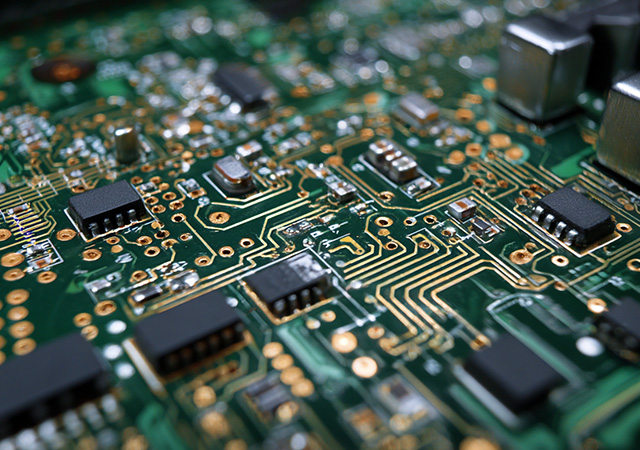
In an era where environmental consciousness and sustainable manufacturing practices are at the forefront of the electronics industry, the Restriction of Hazardous Substances (RoHS) directive has emerged as a pivotal regulatory framework. RoHS compliance ensures that electronic products, including Printed Circuit Boards (PCBs), are free from hazardous materials that can pose risks to human health and the environment. Among the various types of PCBs, Aluminum Metal PCBs have gained significant traction due to their excellent thermal management and mechanical properties. When combined with RoHS compliance, RoHS Compliant Aluminum Metal PCBs offer a unique blend of environmental friendliness and high - performance capabilities, making them a preferred choice for a wide range of applications. This article will explore the key aspects of RoHS Compliant Aluminum Metal PCBs, including their definition, benefits, design considerations, manufacturing processes, applications, market dynamics, and
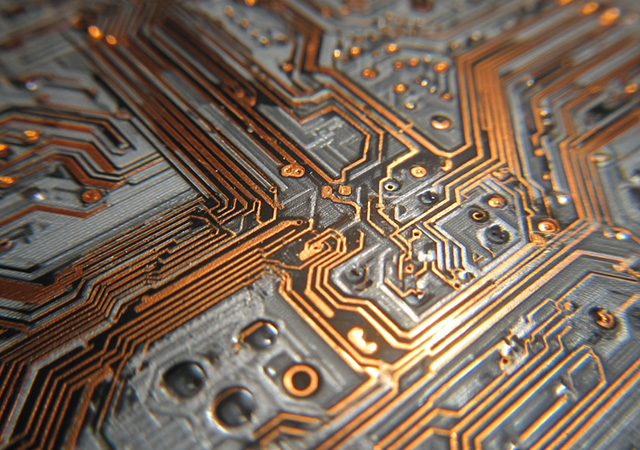
In the ever - evolving world of electronics, the demand for more powerful, compact, and reliable devices continues to surge. As electronic components become increasingly dense and powerful, heat generation has emerged as a significant challenge that can severely impact device performance, reliability, and lifespan. Thermal management has thus become a critical aspect of modern PCB design, and Copper PCBs have proven to be an effective solution due to copper's excellent thermal conductivity properties. Thermal Management Copper PCBs are specifically engineered to address heat - related issues, enabling efficient heat dissipation and ensuring optimal operation of electronic systems. This article explores the intricacies of Thermal Management Copper PCBs, covering their fundamental characteristics, design considerations, manufacturing processes, diverse applications, market dynamics, and future trends.
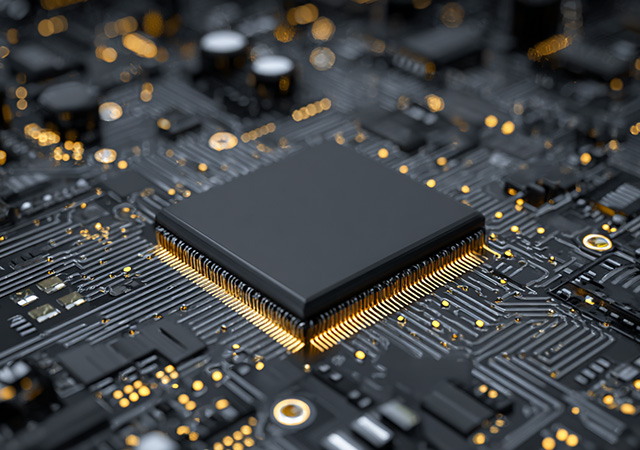
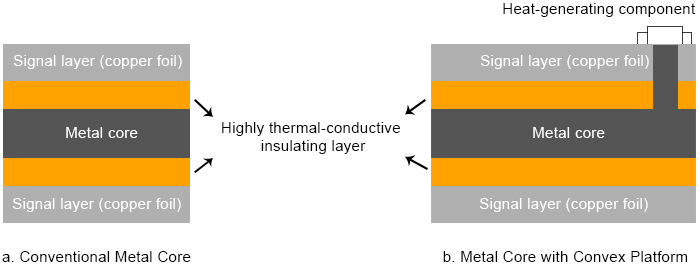
In the fast - paced realm of modern electronics, Printed Circuit Boards (PCBs) serve as the backbone of countless devices, facilitating the seamless operation of intricate electrical circuits. As electronics continue to evolve towards higher power densities and smaller form factors, the issue of heat management has become a critical concern. Traditional PCBs often struggle to dissipate the heat generated by high - power components effectively, leading to performance degradation and reduced device lifespan. Enter Metal Core PCBs (MCPCBs), a revolutionary solution that has emerged as a game - changer in the electronics industry. By integrating a metal layer as the core, these PCBs offer unparalleled thermal and mechanical performance, making them indispensable in a wide range of applications. This article delves deep into the world of Metal Core PCBs, exploring their unique characteristics, design considerations, manufacturing processes, diverse applications, market dynamics, and future

Got project ready to assembly? Contact us: info@apollopcb.com



 Whatsapp 0086 755 29438407
 Mail info@apollopcb.com
 Tel 0086 755 29438407


ABOUT US

PRODUCTS
TECHNOLOGY
KNOWLEDGE CENTRE
CULTURE
NEWS
We're not around but we still want to hear from you! Leave us a note:

Leave Message to APOLLOPCB