




-
- PCB TYPE
- PRINTED CIRCUIT BOARD PROTOTYPE ALUMINUM PRINTED CIRCUIT BOARD R&F PCB FPC HIGH FREQUENCY PCB HIGH-TG PCB HEAVY COPPER PCB HDI PCB PCB FOR LIGHTING METAL CORE PCB


time:Jun 20. 2025, 08:58:45
In the constantly evolving landscape of the electronics industry, Printed Circuit Boards (PCBs) serve as the backbone of countless electronic devices. Among the diverse array of PCB technologies, Single Layer Aluminum PCBs with 1oz Copper have emerged as a specialized solution that offers a unique combination of cost - effectiveness, thermal management capabilities, and electrical performance. This type of PCB leverages the properties of aluminum as a substrate and a 1oz copper layer for electrical traces, making it suitable for a wide range of applications where simplicity, heat dissipation, and reliable electrical connections are crucial. This article will comprehensively explore Single Layer Aluminum PCBs with 1oz Copper, delving into their fundamental characteristics, design considerations, manufacturing processes, applications, market dynamics, and future trends.
Understanding Single Layer Aluminum PCBs with 1oz Copper
Structure and Composition
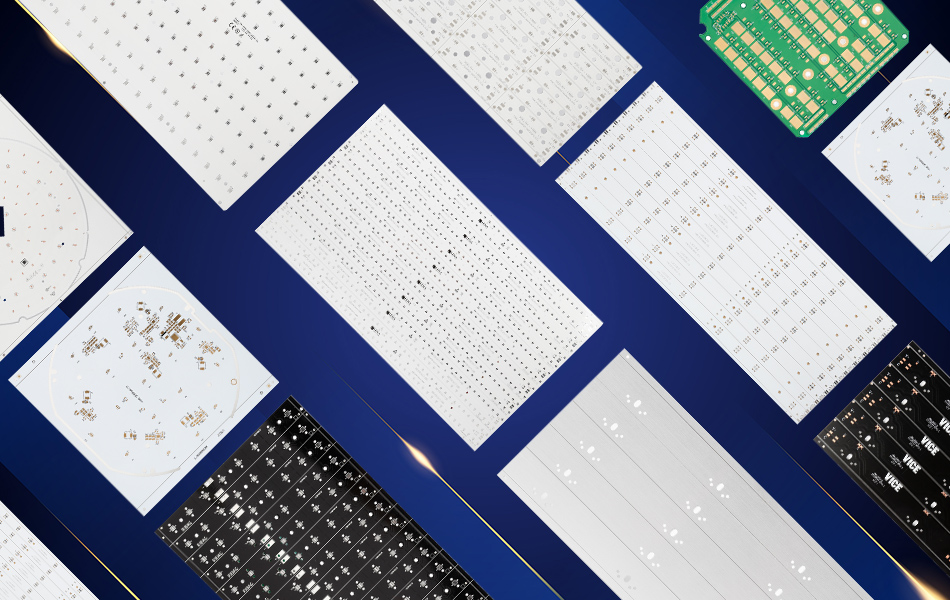
A Single Layer Aluminum PCB with 1oz Copper consists of three main components: an aluminum substrate, a thermally conductive dielectric layer, and a 1oz copper layer. The aluminum substrate forms the base of the PCB, providing mechanical support and acting as an efficient heat sink. Aluminum is renowned for its high thermal conductivity, which allows it to quickly absorb and dissipate heat generated by electronic components during operation.
The thermally conductive dielectric layer is positioned between the aluminum substrate and the copper layer. Its primary function is to electrically isolate the aluminum from the electrical traces while facilitating the transfer of heat from the components to the aluminum substrate. This layer is carefully selected for its balance of electrical insulation properties and thermal conductivity.
On the surface, the 1oz copper layer is patterned to create the electrical traces and pads necessary for component mounting and signal transmission. The 1oz copper thickness offers a good balance between electrical conductivity and cost, making it suitable for a variety of applications that do not require extremely high current - carrying capacities.
Key Material Properties
Thermal Conductivity of Aluminum
The aluminum substrate in these PCBs provides excellent thermal conductivity. Heat generated by components such as power transistors, LEDs, or integrated circuits can be rapidly transferred to the aluminum substrate. Once absorbed, the heat is spread across the large surface area of the aluminum, preventing the formation of hotspots. This efficient heat dissipation helps to maintain lower operating temperatures for the components, reducing the risk of thermal stress and component failure. As a result, Single Layer Aluminum PCBs with 1oz Copper are well - suited for applications where effective thermal management is essential.
Electrical Conductivity of 1oz Copper Layer
The 1oz copper layer offers reliable electrical conductivity for signal transmission and power delivery. Copper is a highly conductive material, and the 1oz thickness provides sufficient cross - sectional area for carrying electrical current with minimal resistance in most standard applications. This allows for the design of circuits that can handle a wide range of electrical loads while maintaining signal integrity. The 1oz copper layer is capable of supporting both low - voltage, low - current signals and moderate - power applications, making it a versatile choice for various electronic designs.
Mechanical Strength and Lightweight
Aluminum, as the substrate material, contributes to the mechanical strength of the PCB. It can withstand mechanical stress, vibrations, and impacts, making the PCB suitable for use in environments where rough handling or dynamic conditions may be present. At the same time, aluminum is a lightweight material, which is an advantage in applications where minimizing the weight of the electronic device is important, such as in portable electronics or aerospace applications. The combination of mechanical strength and lightweight properties makes Single Layer Aluminum PCBs with 1oz Copper a practical option for many industries.
Design Considerations for Single Layer Aluminum PCBs with 1oz Copper
Thermal Design
Component Placement
Proper component placement is crucial for effective thermal management in Single Layer Aluminum PCBs with 1oz Copper. Heat - generating components should be placed in direct contact with the aluminum substrate or as close to it as possible. This allows for the most efficient transfer of heat to the substrate. For example, power - dissipating components can be positioned near the edges of the PCB, where there is better air circulation for natural heat dissipation. Components that are sensitive to heat should be located away from heat sources to avoid thermal damage and ensure reliable operation.
Thermal Vias and Heat Sink Integration
Thermal vias can play a significant role in enhancing heat transfer in these PCBs. These are small holes filled with a highly conductive material, typically copper, that create a direct connection between the components and the aluminum substrate. By strategically placing thermal vias, designers can improve the efficiency of heat transfer from the components to the substrate. Additionally, integrating heat sinks with the PCB can further enhance heat dissipation. The size, shape, and mounting method of the heat sink need to be carefully selected based on the heat - generating capacity of the components and the available space in the electronic device.
Electrical Design
Trace Routing
In the electrical design of Single Layer Aluminum PCBs with 1oz Copper, trace routing requires careful planning. Since there is only one layer of copper for traces, avoiding signal interference and ensuring proper electrical connections can be more challenging compared to multi - layer PCBs. Designers need to consider factors such as trace width, length, and spacing to ensure that the traces can carry the required electrical current without excessive resistance or signal loss. For high - speed signals, additional considerations may be necessary to minimize signal reflections and crosstalk, such as using proper impedance - matching techniques.
Power and Ground Distribution
Efficient power and ground distribution are essential for the proper functioning of the PCB. In a single - layer design, the layout of power and ground traces needs to be optimized to reduce voltage drops and ensure a stable electrical supply. The 1oz copper layer can be used to create wide power and ground traces to minimize resistance. Additionally, using a star - grounding or 多点接地 approach can help to reduce electromagnetic interference (EMI) and improve the overall electrical performance of the circuit.
Manufacturing Processes of Single Layer Aluminum PCBs with 1oz Copper
Material Preparation
The manufacturing process begins with the selection and preparation of materials. High - quality aluminum sheets are chosen for the substrate, ensuring they have consistent thickness and purity. The 1oz copper foil is selected based on its electrical conductivity and surface quality. The thermally conductive dielectric material is also carefully selected for its electrical insulation properties, thermal conductivity, and adhesion to both the aluminum and copper layers. Before assembly, all materials are cleaned to remove any contaminants, oxides, or impurities that could affect the bonding process.
Lamination
Lamination is a critical step where the aluminum substrate, thermally conductive dielectric layer, and 1oz copper foil are bonded together. Heat and pressure are applied to cure the dielectric material, creating a strong and cohesive structure. Precise control of lamination parameters, such as temperature, pressure, and time, is essential to ensure a uniform bond and avoid defects such as voids, delaminations, or uneven bonding. Any imperfections in the lamination can significantly impact the thermal and electrical performance of the final PCB.
Drilling and Plating
After lamination, drilling is performed to create holes for component mounting, vias (if required), and electrical connections. High - precision drilling machines are used to ensure accurate hole placement and clean hole walls. Following drilling, the holes are plated with copper to create electrical connections between the components and the copper traces on the surface. The plating process, usually electroplating, requires careful control of parameters such as current density, plating time, and temperature to achieve a uniform and reliable copper deposit.
Circuit Patterning
Circuit patterning is the process of creating the electrical circuits on the 1oz copper layer. Photolithography is commonly used for this purpose. A photosensitive resist material is applied to the copper surface, and then a patterned mask is used to expose the resist to ultraviolet (UV) light. The exposed areas of the resist are chemically altered and removed during the development process, leaving the unexposed resist in the shape of the circuit pattern. The remaining copper is then etched away using an etching solution, leaving only the copper traces that form the electrical circuits.
Applications of Single Layer Aluminum PCBs with 1oz Copper
LED Lighting
One of the primary application areas for Single Layer Aluminum PCBs with 1oz Copper is LED lighting. LEDs generate heat during operation, and efficient heat dissipation is crucial for maintaining their luminous efficiency and lifespan. These PCBs can effectively manage the heat from LEDs, allowing for the design of compact and powerful LED lighting fixtures. They are commonly used in applications such as indoor lighting, outdoor streetlights, and decorative lighting, where the combination of cost - effectiveness and thermal management is highly valued.
Consumer Electronics
In consumer electronics, Single Layer Aluminum PCBs with 1oz Copper find applications in devices such as simple portable speakers, small - scale wireless chargers, and some entry - level smart home devices. Their cost - effective nature, along with the ability to handle moderate electrical loads and manage heat, makes them suitable for these types of products. The lightweight and mechanically robust design also contribute to the overall durability and portability of the consumer electronics devices.
Industrial Control Systems
For certain industrial control systems that do not require highly complex circuit designs, Single Layer Aluminum PCBs with 1oz Copper can be used. These PCBs can handle the electrical and thermal requirements of components such as sensors, relays, and simple microcontrollers in industrial settings. Their ability to withstand harsh environmental conditions, including dust, moisture, and vibrations, makes them a reliable choice for industrial applications where cost - effectiveness and durability are important factors.
Automotive Interior Electronics
In the automotive industry, Single Layer Aluminum PCBs with 1oz Copper are used in some interior electronics applications. For example, they can be found in dashboard lighting systems, infotainment system sub - modules, and certain control panels. The combination of thermal management, mechanical strength, and cost - effectiveness makes them suitable for these non - critical but essential automotive electronics components.
Market Dynamics of Single Layer Aluminum PCBs with 1oz Copper
Market Growth
The market for Single Layer Aluminum PCBs with 1oz Copper has been experiencing steady growth, driven by several factors. The increasing demand for energy - efficient LED lighting solutions has significantly contributed to the growth, as these PCBs are widely used in the LED lighting industry. The expansion of the consumer electronics market, especially in emerging economies, has also led to a higher demand for cost - effective PCB solutions like Single Layer Aluminum PCBs with 1oz Copper. Additionally, the growing adoption of these PCBs in industrial and automotive applications is further fueling market growth.
Competitive Landscape
The market is highly competitive, with numerous manufacturers vying for market share. Key players include both established PCB manufacturers and emerging local companies. Competition is based on factors such as product quality, cost - effectiveness, production efficiency, and customer service. Manufacturers are constantly investing in research and development to improve the performance of their PCBs, reduce production costs, and develop new manufacturing processes. Customization capabilities also play a crucial role in the market, as customers often require PCBs tailored to their specific application requirements.
Challenges and Future Trends
Challenges
Despite their advantages, the industry faces several challenges. One of the main challenges is the cost - pressure from competitors. As the market becomes more saturated, manufacturers need to continuously find ways to reduce production costs without compromising on quality. Fluctuations in the prices of raw materials, such as aluminum and copper, can also impact the cost - effectiveness of production. Additionally, ensuring consistent quality during mass production, especially in terms of thermal and electrical performance, can be challenging due to the complexity of the manufacturing processes involved.
Future Trends
The future of Single Layer Aluminum PCBs with 1oz Copper looks promising, with several trends likely to shape the industry. Advancements in materials science may lead to the development of new aluminum alloys or composite materials with improved thermal and mechanical properties. This could further enhance the performance of these PCBs. The integration of emerging technologies, such as the Internet of Things (IoT) and 5G, may create new opportunities for these PCBs in applications that require a balance of cost - effectiveness, thermal management, and reliable electrical connections.
The adoption of more automated and intelligent manufacturing processes is also expected. This can improve production efficiency, reduce costs, and enhance quality control. Moreover, the growing focus on environmental sustainability may drive the development of more eco - friendly manufacturing processes and materials for Single Layer Aluminum PCBs with 1oz Copper, making them even more attractive in the market.
Conclusion
Single Layer Aluminum PCBs with 1oz Copper offer a cost - effective and efficient solution for a wide range of electronic applications. Their unique combination of thermal management capabilities, reliable electrical performance, mechanical strength, and affordability makes them a popular choice in industries such as LED lighting, consumer electronics, industrial control, and automotive. While the industry faces challenges related to cost and quality control, ongoing advancements and emerging trends present significant opportunities for growth and innovation. As the electronics industry continues to evolve, Single Layer Aluminum PCBs with 1oz Copper are likely to remain an important part of the PCB landscape, enabling the development of more efficient and reliable electronic devices.

Got project ready to assembly? Contact us: info@apollopcb.com



 Whatsapp 0086 755 29438407
 Mail info@apollopcb.com
 Tel 0086 755 29438407


ABOUT US

PRODUCTS
TECHNOLOGY
KNOWLEDGE CENTRE
CULTURE
NEWS
We're not around but we still want to hear from you! Leave us a note:

Leave Message to APOLLOPCB
