




-
- PCB TYPE
- PRINTED CIRCUIT BOARD PROTOTYPE ALUMINUM PRINTED CIRCUIT BOARD R&F PCB FPC HIGH FREQUENCY PCB HIGH-TG PCB HEAVY COPPER PCB HDI PCB PCB FOR LIGHTING METAL CORE PCB


time:Apr 25. 2026, 16:42:19
In the fast-moving world of electronic manufacturing, balancing cost and performance is a top goal. B2B procurement teams and engineers often look for alternatives to standard FR4. The CEM3 PCB material is now a lead choice, especially for consumer electronics and heavy appliances. At ApolloPCB, our factory floor masters the specific details needed to make a high-quality CEM3 PCB. We ensure every B2B order meets strict standards for precision and durability.
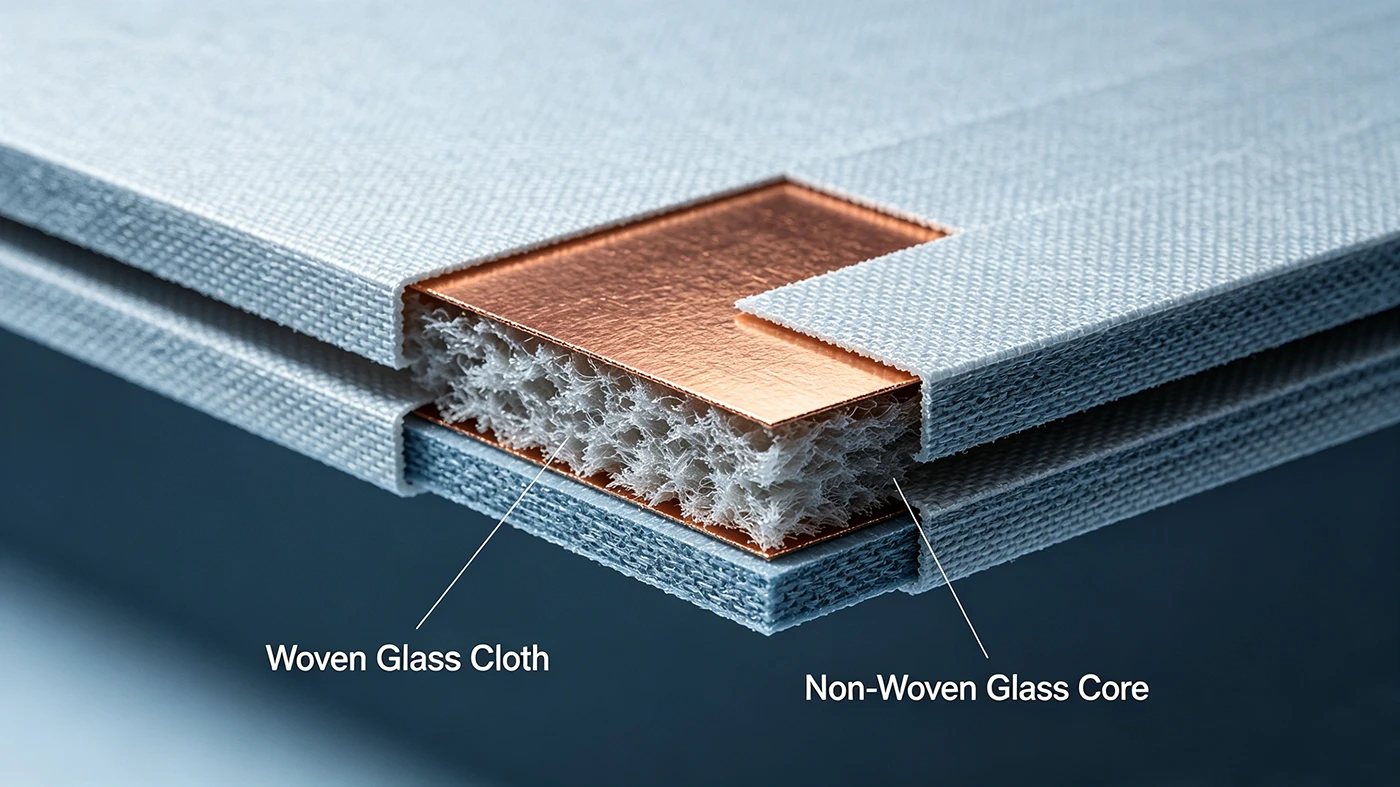
Making a CEM3 PCB is not the same as making a standard FR4 board. Both use epoxy resin, but the core is different. FR4 uses layers of woven glass fiber. In contrast, Composite Epoxy Material-3 uses a "sandwich" structure. It has a non-woven glass core between two layers of woven glass cloth.
This unique build offers several factory advantages:
Superior Punchability: Our CNC tools create cleaner edges during routing.
Cost Efficiency: It provides a middle ground between low-end paper boards and high-end FR4.
Smooth Surface: The non-woven core creates a very flat surface, which is vital for fine-pitch pcb assembly.
We use stable laminates like Panasonic R-1787 CEM3 and KB7150T CEM3 PCB. These materials stay flat during the heating cycle. For a deeper look at these technical traits, engineers should consult our CEM3 material industrial guide.
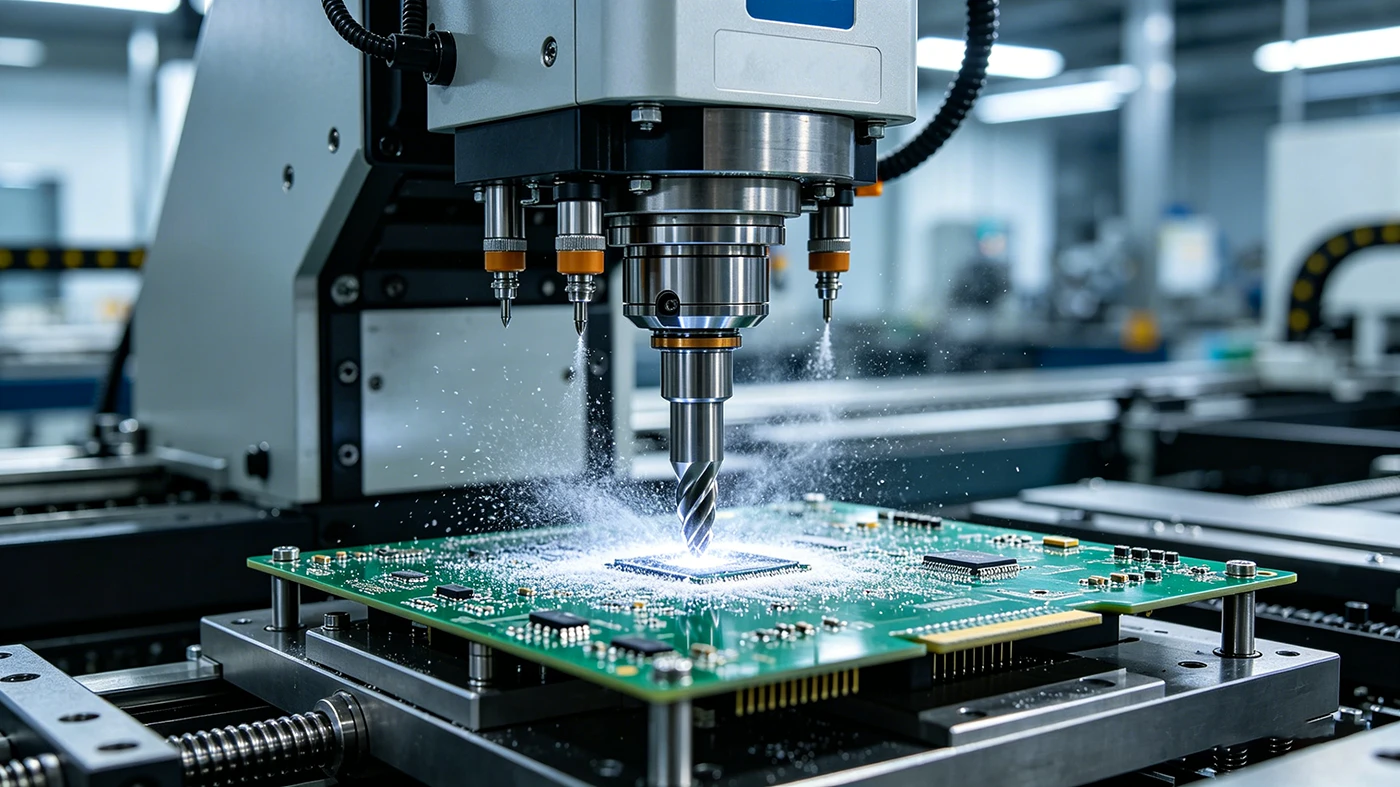
Mechanical precision is the soul of any pcb design. In our facility, we use advanced drilling machines to create Countersink Holes in CEM3 PCB. We also execute Counterbore holes in CEM3 PCB with micrometer-level accuracy.
These mechanical features allow hardware to sit flush with the board. This is a common need in LED Backlight CEM3 systems and compact consumer electronics. Since CEM3 PCB material is less abrasive than FR4, our drill bits last longer and stay sharper. This results in cleaner holes and better plating quality. This mechanical efficiency is a key part of our CEM3 PCB Performance ratings.
Modern pcb assembly faces a major enemy: heat. We focus on thermal management to keep components safe. Our factory uses High Thermal Conductivity CEM-3 solutions for high-power projects.
We work with premium substrates like HA30 THERMAL CONDUCTIVITY CEM3 and ST210G THERMAL CONDUCTIVITY CEM3. These materials move heat away from high-power LEDs and power supplies faster than standard FR4. During the making process, we track the low CTE CEM3 (Coefficient of Thermal Expansion). This ensures the board does not crack under heat stress. High-power lED light CEM3 projects rely on this stability to ensure a long product life.
For B2B orders in the appliance sector, safety is a must. Our production line targets a High CTI value cem3 (Comparative Tracking Index). This measures how well the material resists electrical leakage.
By using CEM-3-09HT CEM3 PCB, we offer boards that exceed 600V in CTI testing. This makes them ideal for humid or dusty environments. It is a vital feature for washing machines, fridges, and industrial power supplies. Every board we ship undergoes an electrical test to confirm it meets these safety benchmarks.
At ApolloPCB, we understand that lead times can make or break a product launch. Our automated lines handle CEM3 PCB orders with high speed. Because we stock large volumes of KB7150T CEM3 PCB and other core materials, we can start production quickly.
Our B2B service includes:
Design for Manufacturing (DFM) Review: We check your pcb design to find cost-saving steps.
Rapid Prototyping: We offer fast turns for initial testing before mass pcb assembly.
Mass Production: Our facility can scale to thousands of units while keeping quality steady.
This focus on high reliability and quick delivery is why global brands trust our custom CEM3 solutions.
A1: CEM3 PCB material is generally more cost effective than FR4. It is easier to punch and route, which lowers tool costs. This makes it perfect for high-volume consumer electronics.
A2: Yes. While it is mostly for double-sided boards, the smooth surface of materials like Panasonic R-1787 CEM3 supports fine-pitch components. It works well for most standard pcb assembly needs.
A3: HA30 is a specialized grade. It has a much higher rate of heat transfer than standard substrates. In lED light CEM3 applications, it prevents the diode from overheating, which maintains color accuracy.
Choosing a CEM-3 PCB Manufacturer is about more than just price. It is about finding a partner who understands material science and mechanical precision. ApolloPCB delivers that expertise. From achieving a High CTI value cem3 for safety to drilling precise Countersink Holes in CEM3 PCB, we build every board for success.
Our commitment to high-performance standards ensures that your B2B orders are durable and safe. Whether you are scaling a new LED light CEM3 project or looking for a more efficient substrate for consumer electronics, our team is here to assist.
Ready to optimize your next project? Get a custom quote from the ApolloPCB technical team today.
Got project ready to assembly? Contact us: info@apollopcb.com



 Whatsapp 0086 755 29438407
 Mail info@apollopcb.com
 Tel 0086 755 29438407


ABOUT US

PRODUCTS
TECHNOLOGY
KNOWLEDGE CENTRE
CULTURE
NEWS
We're not around but we still want to hear from you! Leave us a note:

Leave Message to APOLLOPCB
