-
- PCB TYPE
- PRINTED CIRCUIT BOARD PROTOTYPE ALUMINUM PRINTED CIRCUIT BOARD R&F PCB FPC HIGH FREQUENCY PCB HIGH-TG PCB HEAVY COPPER PCB HDI PCB PCB FOR LIGHTING METAL CORE PCB


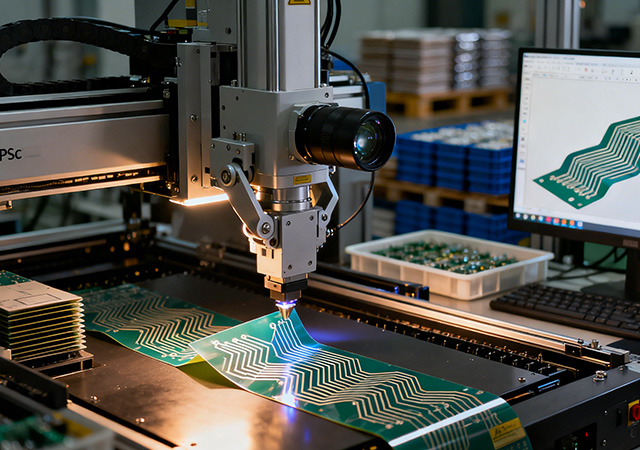
In the fast-paced world of electronics design and manufacturing, time-to-market is a critical competitive advantage. Quick Turn FPC Fabrication Service has emerged as a transformative solution, enabling engineers, startups, and enterprises to rapidly bring flexible printed circuit (FPC) designs from concept to prototype or low-volume production. Unlike traditional FPC fabrication, which often involves lengthy lead times and rigid processes, quick turn services prioritize speed without compromising quality—catering to time-sensitive projects, emergency replacements, and iterative design cycles. For industries ranging from consumer electronics to medical devices and aerospace, this service is more than a convenience; it’s a strategic enabler of agility, innovation, and market responsiveness.
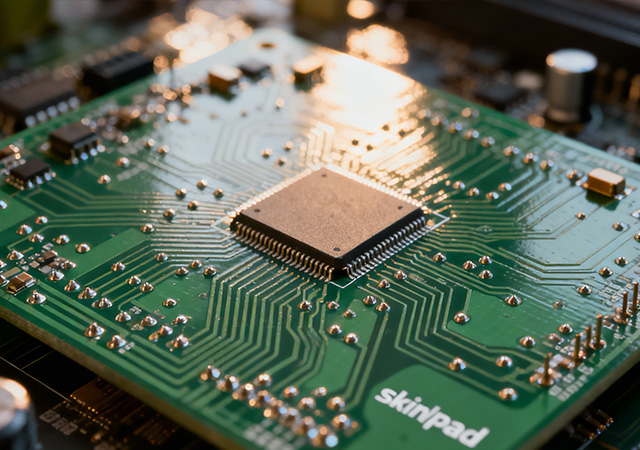
In the age of power-dense electronics, where devices are expected to deliver more performance in smaller footprints, thermal management has become a universal challenge. Sinkpad PCB stands out as a versatile solution, engineered to address heat dissipation and structural reliability across industrial, commercial, consumer, and specialized applications. Unlike generic PCBs that require external cooling add-ons, Sinkpad PCB integrates dedicated thermal sink structures directly into its design—unifying electrical functionality, thermal efficiency, and mechanical stability. This all-in-one approach makes it a cornerstone component for high-power systems, from industrial machinery to smart lighting and medical devices, proving its value far beyond automotive use cases.
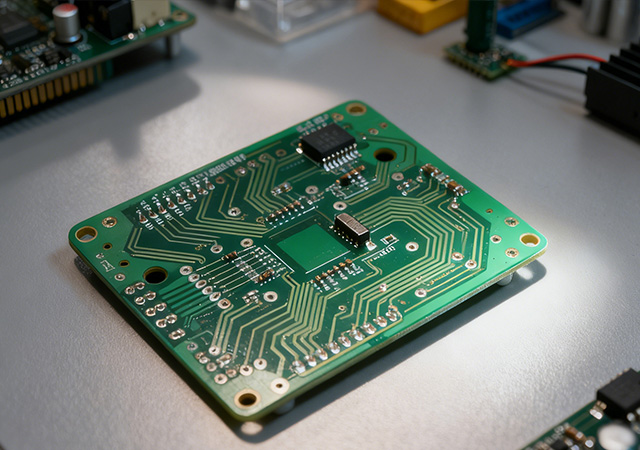
In the era of electrified, connected, and autonomous vehicles, automotive electronics are becoming increasingly complex and power-dense. Automotive Sinkpad PCB has emerged as a foundational component, designed to meet the stringent demands of vehicle environments—combining integrated thermal management, mechanical durability, and electrical stability. Unlike generic PCBs, this specialized solution is engineered for the unique challenges of automobiles, from under-hood vibration to compact cabin layouts, ensuring critical systems operate reliably throughout a vehicle’s lifespan. For automakers and tier suppliers, Automotive Sinkpad PCB is more than a circuit board; it’s a strategic enabler of safer, more efficient, and technologically advanced vehicles.
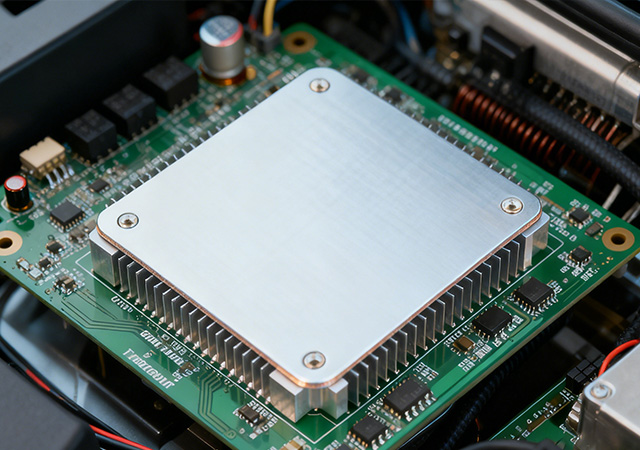
In the harsh operating conditions of modern automobiles—where under-hood temperatures can soar, and electronic systems face continuous thermal stress—High Temperature Sinkpad Auto PCB has become an indispensable component. Designed specifically to thrive in extreme heat, this specialized PCB merges the integrated thermal management of sinkpad technology with high-temperature-resistant materials and construction. It addresses the critical challenge of maintaining reliability in automotive electronics exposed to sustained high temperatures, from electric vehicle (EV) powertrains to engine control units (ECUs). For automakers and tier suppliers, this PCB delivers the thermal resilience needed to ensure safety, performance, and longevity in the most demanding vehicle systems.
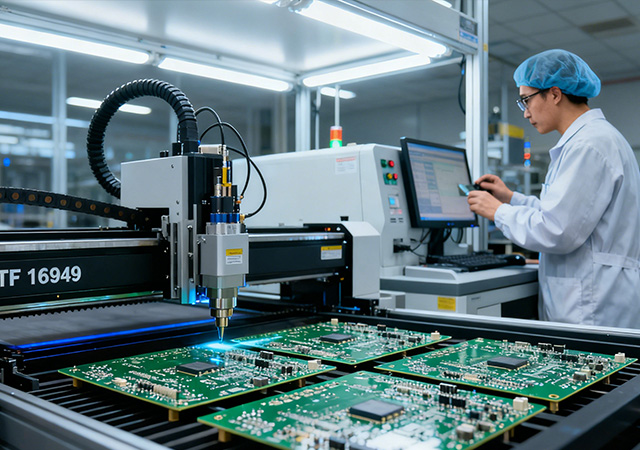
In the demanding landscape of automotive electronics, where safety, durability, and performance are non-negotiable, the IATF 16949 Sinkpad Automotive PCB has emerged as a critical component. Designed to meet the rigorous quality management requirements of the automotive industry, this specialized PCB combines the integrated thermal management of sinkpad technology with the strict compliance framework of IATF 16949. It addresses the unique challenges of vehicle electronics—extreme temperature fluctuations, vibration, and high power density—delivering a solution that ensures long-term reliability in critical systems from powertrains to advanced driver assistance systems (ADAS). For automakers and tier suppliers, this PCB is more than a component; it’s a foundational element of safe, efficient, and compliant automotive electronics.

Got project ready to assembly? Contact us: info@apollopcb.com



 Whatsapp 0086 755 29438407
 Mail info@apollopcb.com
 Tel 0086 755 29438407


ABOUT US

PRODUCTS
TECHNOLOGY
KNOWLEDGE CENTRE
CULTURE
NEWS
We're not around but we still want to hear from you! Leave us a note:

Leave Message to APOLLOPCB