




-
- PCB TYPE
- PRINTED CIRCUIT BOARD PROTOTYPE ALUMINUM PRINTED CIRCUIT BOARD R&F PCB FPC HIGH FREQUENCY PCB HIGH-TG PCB HEAVY COPPER PCB HDI PCB PCB FOR LIGHTING METAL CORE PCB


time:Nov 13. 2025, 19:02:29
Sinkpad PCB has evolved from a specialized thermal component to a synergistic enabler of high-performance electronics, addressing the escalating thermal challenges of emerging technologies such as wide-bandgap (WBG) semiconductors, 5G active antennas, and next-gen power modules. Unlike conventional thermal solutions that operate in isolation, modern sinkpad PCBs integrate with system-level architectures—combining thermal efficiency with structural compatibility, electrical isolation, and adaptability to ultra-high power densities. This evolution makes them indispensable for applications where traditional PCBs or standalone heat sinks fail to balance heat dissipation with form factor and performance demands. This article explores the synergistic design principles, integration with emerging technologies, novel industry applications, and advanced optimization strategies that define the next generation of sinkpad PCBs.
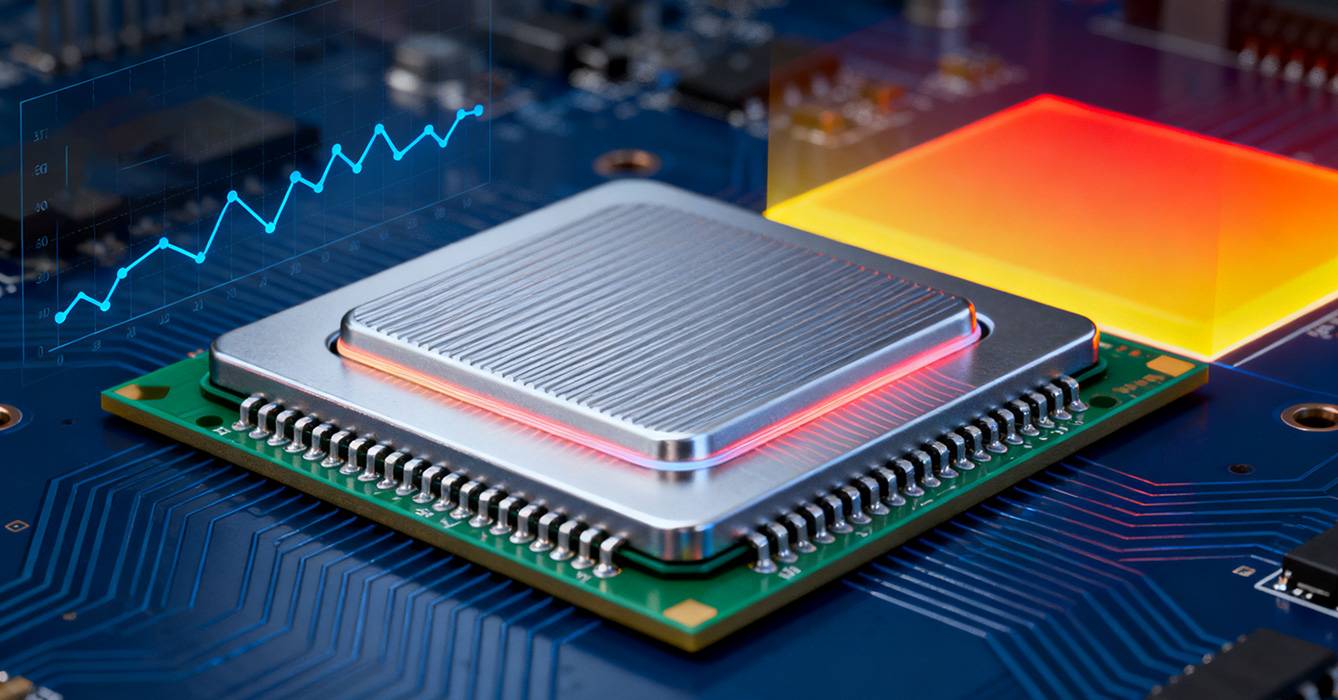
The effectiveness of sinkpad PCBs in high-power electronics stems from three synergistic design pillars that align thermal management with system requirements:
Modern sinkpad PCBs are engineered to optimize three interdependent factors:
Thermal Path Optimization: Dedicated metal cores (copper or aluminum alloy) are shaped to match the heat distribution of high-power components (e.g., SiC MOSFETs), ensuring uniform heat spread without creating structural weak points.
Electrical Isolation Integration: Thin, high-temperature dielectric layers (ceramic-polymer composites) are bonded to the sinkpad, maintaining electrical separation from signal layers while minimizing thermal resistance. This eliminates tradeoffs between insulation and heat transfer.
Structural Compatibility: Sinkpad geometries are tailored to fit modular system designs—e.g., flat, low-profile sinkpads for 5G antenna arrays or curved cores for automotive powertrain modules—ensuring thermal performance without compromising mechanical fit.
Sinkpad PCBs leverage material combinations to address extreme operating environments:
Hybrid Metal Cores: Copper-tungsten or aluminum-silicon carbide (AlSiC) sinkpads combine high thermal conductivity with low thermal expansion, matching the material properties of WBG semiconductors. This reduces thermal stress and prevents solder joint fatigue.
Functional Dielectrics: Dielectric layers infused with phase-change materials (PCMs) act as thermal buffers, absorbing peak heat loads during transient operation (e.g., EV fast charging) and releasing heat gradually—protecting components from temperature spikes.
Sinkpad PCBs are designed to integrate with broader thermal management systems:
Modular Cooling Interfaces: Standardized mounting points on sinkpads enable seamless connection to auxiliary cooling solutions (e.g., microchannel cold plates, heat pipes) for ultra-high-power applications.
Thermal Budget Sharing: Sinkpads distribute heat across the PCB to balance thermal loads, preventing localized hotspots that exceed the system’s overall thermal budget—critical for dense electronics like data center power supplies.
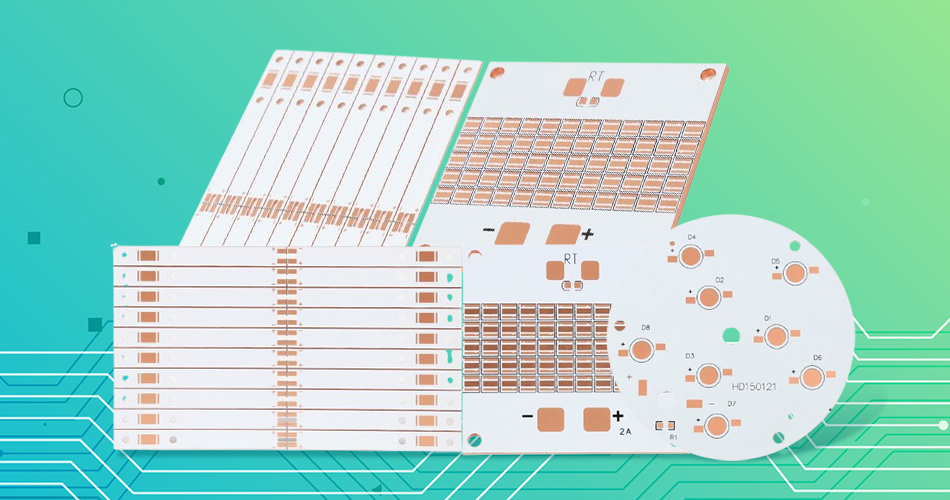
Sinkpad PCBs are uniquely positioned to support three transformative technologies, solving their specific thermal challenges:
WBG devices operate at higher temperatures and power densities than silicon, requiring precise thermal management:
Sinkpad PCBs with AlSiC cores match the thermal expansion coefficient of SiC/GaN, reducing thermomechanical stress. The dedicated thermal path dissipates heat from the semiconductor junction, enabling operation at higher switching frequencies without performance degradation.
5G AAS require compact, high-power RF modules with minimal heat buildup:
Low-profile, thin-copper sinkpads are integrated into antenna PCBs, cooling RF power amplifiers (PA) without increasing the module’s thickness. The sinkpad’s electrical isolation prevents interference with sensitive antenna signals, ensuring signal integrity.
Fuel cell systems demand reliable thermal management in harsh automotive or industrial environments:
Corrosion-resistant nickel-plated copper sinkpads dissipate heat from power conversion modules, with conformal coatings protecting against moisture and chemical exposure. The sinkpad’s structural rigidity withstands vibration and temperature cycles (-40°C to 120°C).
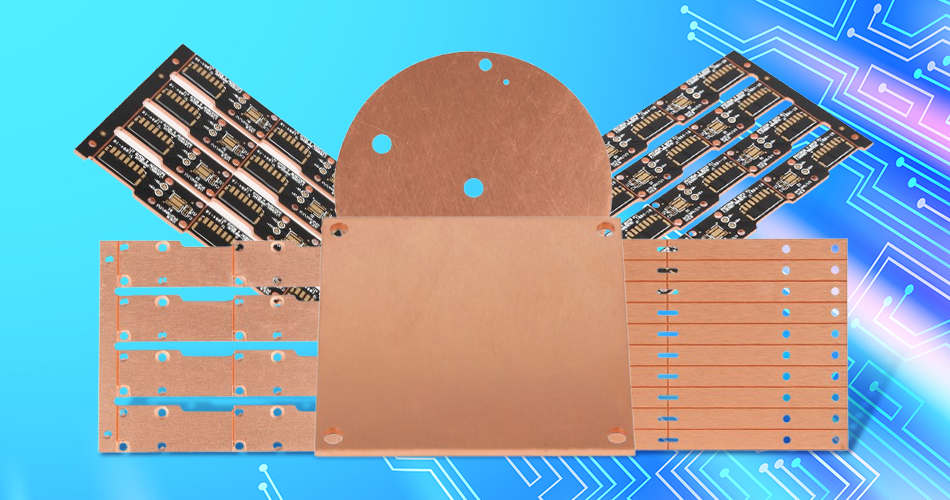
Sinkpad PCBs are expanding into high-growth sectors, driven by their synergistic design:
Industrial and aerospace SSPS use sinkpad PCBs to cool dense power conversion stages. The technology’s thermal-electrical synergy enables higher power density (up to 3x that of traditional supplies) while maintaining efficiency above 95%.
Next-gen EV inverters with 800V architectures rely on sinkpad PCBs to handle increased current loads. The sinkpad’s hybrid metal core dissipates heat from IGBTs/SiC devices, supporting fast charging and extended driving ranges.
High-power medical lasers (e.g., surgical or dermatological devices) require precise thermal control to maintain beam stability:
Biocompatible titanium-core sinkpads cool laser diodes, with PCM-infused dielectrics absorbing transient heat spikes. The sinkpad’s compact design fits within the laser’s handheld or benchtop form factor.
To maximize synergistic performance, engineers adopt three key optimization approaches:
Machine learning algorithms analyze component heat maps, material properties, and system constraints to generate optimal sinkpad geometries. This reduces design iterations by 40% and improves thermal efficiency by 15% compared to manual design.
Finite element analysis (FEA) tools simulate thermal, electrical, and structural performance simultaneously. This identifies potential conflicts—e.g., a sinkpad’s thermal path interfering with signal traces—and resolves them early in the design cycle.
Manufacturers use recycled copper for sinkpad cores and bio-based dielectrics, reducing carbon footprint without compromising performance. These sustainable materials meet ESG requirements for automotive, industrial, and consumer electronics.
Sinkpad PCB has become a cornerstone of thermal management in emerging high-power electronics, thanks to its synergistic integration of thermal, electrical, and structural performance. By aligning with WBG semiconductors, 5G systems, and other transformative technologies, and leveraging advanced design tools and sustainable materials, sinkpad PCBs deliver the reliability and efficiency required for next-gen devices. As power densities continue to rise and form factors shrink, the synergistic design of sinkpad PCBs will remain critical—proving that effective thermal management is not just about heat dissipation, but about integrating with system-level innovation to unlock new performance boundaries.

Got project ready to assembly? Contact us: info@apollopcb.com



 Whatsapp 0086 755 29438407
 Mail info@apollopcb.com
 Tel 0086 755 29438407


ABOUT US

PRODUCTS
TECHNOLOGY
KNOWLEDGE CENTRE
CULTURE
NEWS
We're not around but we still want to hear from you! Leave us a note:

Leave Message to APOLLOPCB
