-
- PCB TYPE
- PRINTED CIRCUIT BOARD PROTOTYPE ALUMINUM PRINTED CIRCUIT BOARD R&F PCB FPC HIGH FREQUENCY PCB HIGH-TG PCB HEAVY COPPER PCB HDI PCB PCB FOR LIGHTING METAL CORE PCB


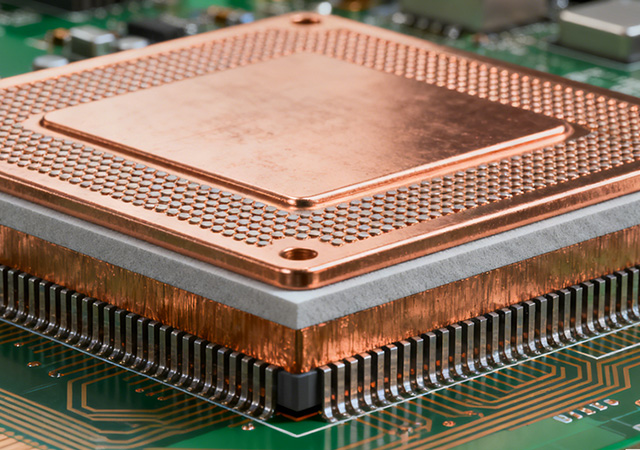
Thermal Pad MCPCB (Metal Core PCB) has established itself as a versatile thermal management platform for high-power electronic systems, integrating high-conductivity thermal pads with specialized metal cores (aluminum, copper, ceramic-metal hybrid) to resolve heat dissipation bottlenecks across power ranges (10W-500W). Unlike single-substrate solutions, Thermal Pad MCPCB adapts to diverse performance demands—from cost-sensitive mass production to extreme-power scenarios and harsh-environment applications. As electronic devices pursue higher power density, smaller footprints, and broader environmental adaptability, its core advantage lies in customizable thermal-mechanical-electrical synergy, enabling dominance across sectors from consumer electronics to aerospace. This article explores the universal technical framework, metal core-thermal pad matching strategies, cross-power design optimizations, and high-value applications, providing a streamlined guide for multi-scenario thermal mana
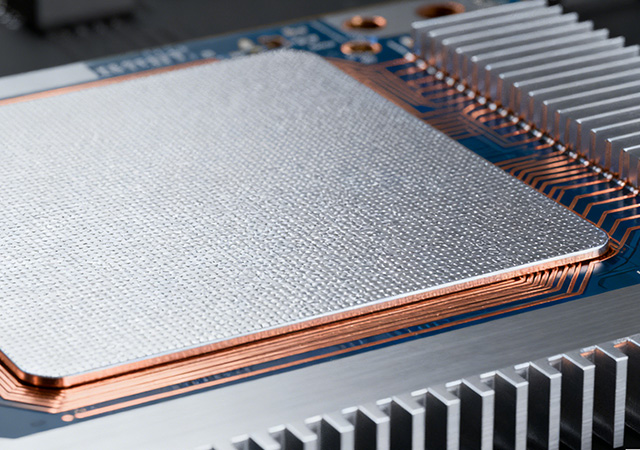
Optimize high-power electronics with cost-effective Aluminum Base Thermal Pad PCBs. Ideal for mass-produced LED lighting and power modules. Learn how our thermal pad designs eliminate heat bottlenecks. Expert DFM from ApolloPCB’s 10-year technical team.
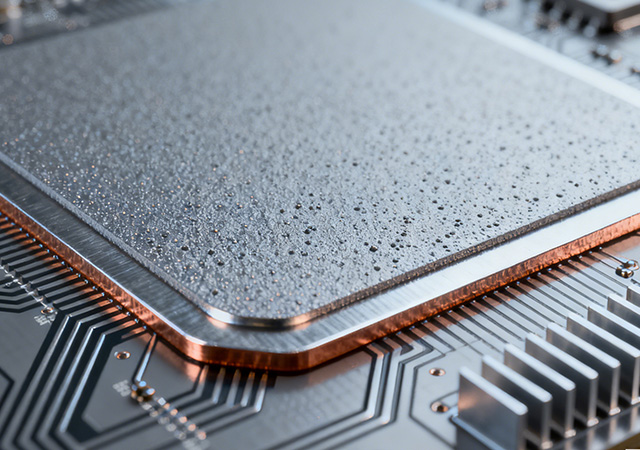
High Conductivity Thermal Pad MCPCB (Metal Core PCB) has emerged as a pivotal thermal management solution for high-power electronic systems, addressing the critical challenge of efficient heat transfer in compact, power-dense designs. Unlike standard MCPCBs that rely on basic thermal layers, this specialized variant integrates high-performance thermal pads—engineered to minimize thermal resistance—with robust metal cores (aluminum, copper, or composite substrates). As electronic devices from high-power LEDs to industrial semiconductors push toward higher power densities and smaller form factors, High Conductivity Thermal Pad MCPCB bridges the gap between heat dissipation efficiency and structural reliability. This article explores the core synergies of thermal pads and MCPCBs, material innovations, design optimizations, targeted applications, and industry trends, highlighting their role in enabling next-generation high-performance electronics.
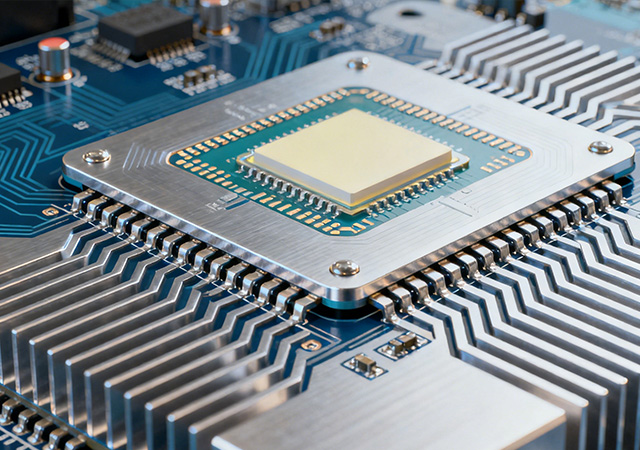
High Power LED Sinkpad PCB has become an indispensable component in modern lighting systems, addressing the critical challenge of heat dissipation that limits the performance and lifespan of high-power light-emitting diodes (LEDs). Unlike standard PCBs, which struggle to handle the concentrated thermal loads of LEDs (typically 30W and above), sinkpad designs integrate dedicated thermal layers that direct heat away from LED chips, preventing lumen depreciation and premature failure. As lighting applications evolve toward higher brightness, smaller form factors, and longer operational lifespans—from industrial floodlights to automotive headlights—High Power LED Sinkpad PCB balances thermal efficiency, mechanical stability, and electrical performance. This article explores the core design principles, performance advantages, manufacturing considerations, targeted applications, and emerging trends of this specialized PCB technology, highlighting its role in advancing high-power LED lighting
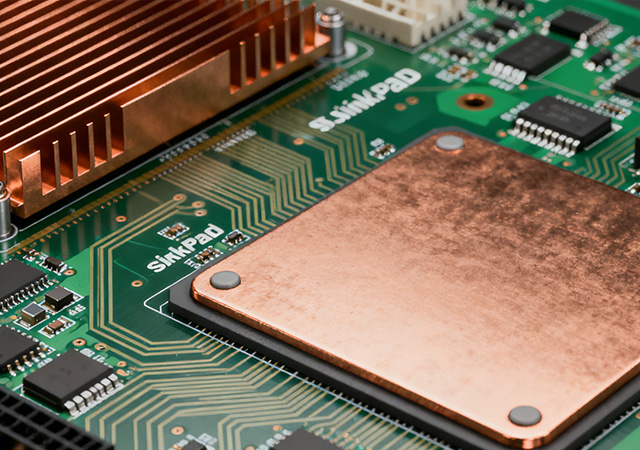
Sinkpad PCB has evolved from a niche thermal management component to a foundational technology enabling the next generation of high-power, compact electronic systems. As global demand for electrification, connectivity, and computational power accelerates, sinkpad PCBs have transcended traditional boundaries—adapting to diverse industries through material innovations, process refinements, and system-level integration. Unlike standard PCBs that prioritize signal routing alone, modern sinkpad PCBs harmonize thermal efficiency, mechanical robustness, and electrical performance, addressing the core pain points of power density growth in applications ranging from electric vehicles (EVs) to edge computing. This article explores the latest technical advancements, cross-industry integration strategies, emerging challenges, and future trajectories of sinkpad PCB technology, highlighting its role as a critical enabler of technological progress.

Got project ready to assembly? Contact us: info@apollopcb.com



 Whatsapp 0086 755 29438407
 Mail info@apollopcb.com
 Tel 0086 755 29438407


ABOUT US

PRODUCTS
TECHNOLOGY
KNOWLEDGE CENTRE
CULTURE
NEWS
We're not around but we still want to hear from you! Leave us a note:

Leave Message to APOLLOPCB