




-
- PCB TYPE
- PRINTED CIRCUIT BOARD PROTOTYPE ALUMINUM PRINTED CIRCUIT BOARD R&F PCB FPC HIGH FREQUENCY PCB HIGH-TG PCB HEAVY COPPER PCB HDI PCB PCB FOR LIGHTING METAL CORE PCB


time:Mar 19. 2026, 11:07:41
In the era of high-density power electronics, thermal management dictates the survival of your product. As engineers push the physical limits of electric vehicle (EV) inverters, industrial power supplies, and outdoor off-grid solar security cameras, traditional FR4 fiberglass substrates are failing. They act as thermal insulators, trapping heat and causing catastrophic component burnout. The definitive solution for mass-producing high-reliability hardware is Metal Core PCB technology.
At ApolloPCB, we have spent over a decade optimizing the metal core PCB manufacturing process. By replacing standard epoxy-glass cores with solid, highly thermally conductive metal substrates, our factory empowers global hardware teams to multiply their heat dissipation rates by up to 10 times.
In this comprehensive manufacturing guide, the ApolloPCB engineering team takes you directly to the factory floor. We will break down the physical stack-up of thermal circuits, detail our rigorous production protocols, and explain why partnering with a premier China metal core PCB manufacture facility is the ultimate strategic advantage for your hardware supply chain.
A Metal Core PCB (MCPCB)—also known within the industry as an Insulated Metal Substrate (IMS) or thermal PCB—is a specialized circuit board that integrates a solid metal base plate to act as an immediate heat spreader.
From a manufacturing standpoint at ApolloPCB, producing a metal core PCB is entirely different from fabricating standard rigid boards. The primary function of our MCPCBs is to aggressively pull thermal energy away from critical, high-wattage components (such as high-power LEDs, MOSFETs, and power tracking ICs) and channel it toward an external metallic heat sink or the device’s outer chassis.
While ordinary PCB manufacturers attempt to manage heat through complex arrays of thermal vias and thick surface copper, ApolloPCB’s metal-backed boards leverage the entire foundational substrate as a massive thermal conduit. For factory-level clients producing continuous-operation hardware, our precision manufacturing ensures your product meets strict safety and longevity standards.
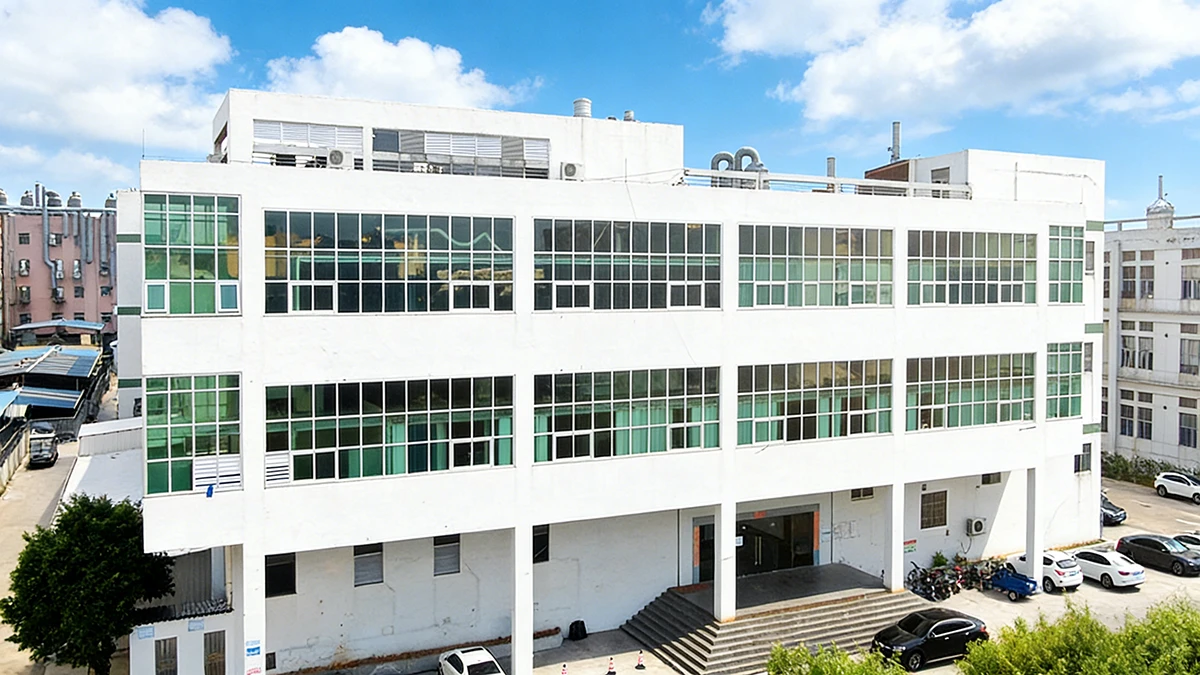
To truly appreciate the manufacturing difficulty and the resulting thermal performance, procurement teams and engineers must understand the internal cross-sectional stack-up. A frequent question we receive during the initial Design for Manufacturing (DFM) phase is: What is the layer in metal core PCB?
A standard single-sided MCPCB engineered at the ApolloPCB facility consists of three highly critical layers:
This is the uppermost layer where your surface-mount devices (SMDs) are soldered. It consists of printed copper foil. Because MCPCBs are designed to handle immense power, ApolloPCB routinely works with heavy copper thicknesses ranging from a standard 1oz up to an extreme 10oz. Our precision chemical etching ensures that even with thick copper, trace widths and spacing remain strictly within your required engineering tolerances, preventing short circuits under heavy loads.
This is the most critical layer in the entire board, and it is where ApolloPCB’s manufacturing superiority is established. The dielectric layer is an electrically insulating but thermally conductive layer of polymer or epoxy. It faces a contradictory engineering challenge: it must be microscopically thin to transfer heat rapidly (minimizing thermal resistance) but robust enough to withstand high-voltage electrical breakdown. At ApolloPCB, we utilize advanced ceramic-filled prepregs. Our dielectric options offer thermal conductivities ranging from a standard 1.0 W/m·K up to an industry-leading 8.0 W/m·K, ensuring your product passes rigorous Hi-pot (High Potential) safety testing on our factory floor.
This is the foundational plate of the board. This thick metal slab absorbs the intense heat from the dielectric layer and dissipates it. At ApolloPCB, we typically utilize 5052 or 6061-grade Aluminum, or C1100 pure Copper, with standard thicknesses ranging from 1.0mm to 3.2mm, customized exactly to your chassis mounting requirements.
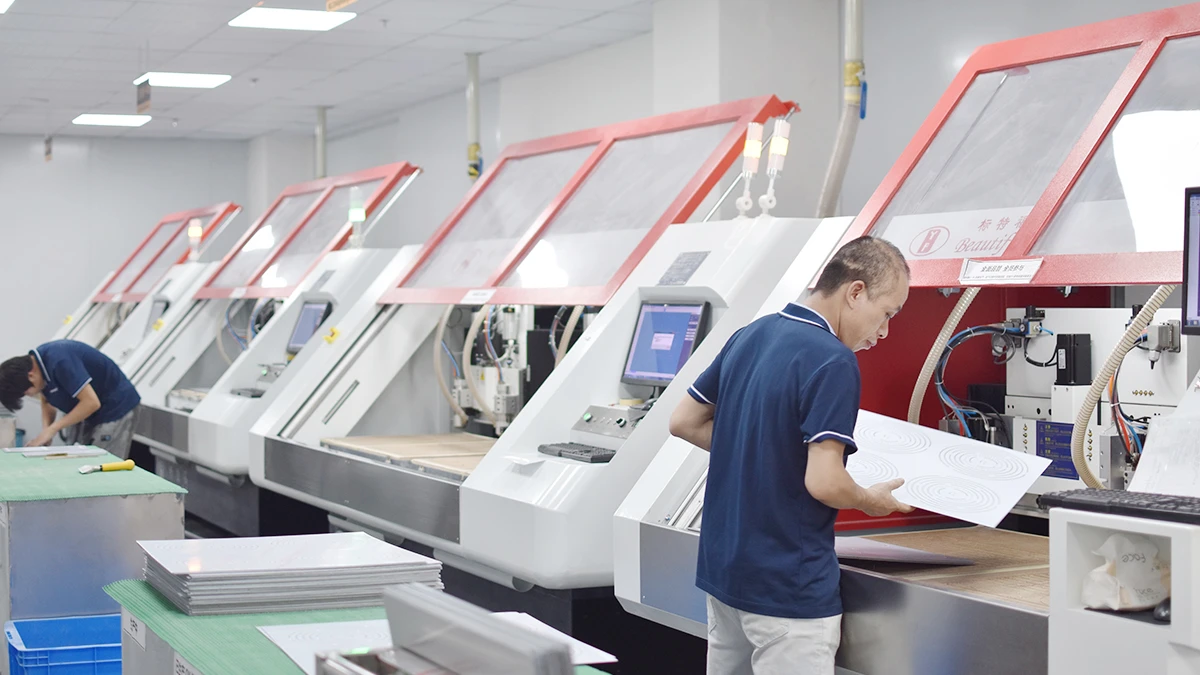
Creating an industrial-grade MCPCB requires vastly different machinery, tooling, and expertise compared to standard FR4 fabrication. Working with solid plates of aluminum and copper introduces intense mechanical and chemical challenges. Here is an exclusive look inside ApolloPCB’s advanced facility to understand our proprietary metal core PCB manufacturing process:
The ApolloPCB process begins by sourcing premium raw metal laminates from globally recognized suppliers. The large panels are sheared into production-sized workpieces. Because aluminum and copper surfaces are prone to scratching—which can lead to uneven chassis mounting and poor thermal contact—our factory floor utilizes automated vacuum loaders and specialized protective filming to maintain absolute surface perfection.
Drilling a metal core PCB is a highly specialized mechanical task. Standard PCB drill bits will quickly overheat, warp, or snap when plunging into solid metal.
ApolloPCB has invested in heavy-duty, high-torque CNC drilling machines equipped with specialized diamond-coated and carbide drill bits. Our engineers precisely calculate and strictly control the spindle RPM and feed rate (chip load) to prevent metal galling, burr formation, and ensure the hole walls are perfectly smooth for subsequent routing and assembly.
A photosensitive dry film is applied to the top copper circuit layer. After UV exposure defines the circuit pattern, the unexposed copper is chemically etched away. Because Metal Core PCB Manufacturing often involves thicker copper for power conversion applications, standard etching causes severe "undercutting." ApolloPCB overcomes this utilizing advanced spray etching baths with proprietary chemical compensations, ensuring your trace geometries perfectly match your original Gerber files without compromising current-carrying capacity.
For the LED lighting and solar security camera industries, lumen output and UV resistance are paramount. ApolloPCB utilizes a highly reflective, specialized white solder mask that resists yellowing under intense UV and thermal stress. We also offer matte black, green, and custom colors for industrial and automotive applications. The mask is exposed and thermally cured to provide strict environmental protection and prevent solder bridges during your factory's SMT assembly.
To protect the exposed copper pads from oxidation and ensure flawless wetting during assembly, ApolloPCB applies high-grade surface finishes. While HASL (Hot Air Solder Leveling) is common, we highly recommend ENIG (Electroless Nickel Immersion Gold) or OSP for high-end automotive and power supply MCPCBs, providing a perfectly flat surface for fine-pitch components.
Separating individual metal boards from the production panel requires immense mechanical force. ApolloPCB utilizes specialized diamond-coated blades and heavy-duty routing bits for separating metal substrates. We strictly control the "web thickness" (the microscopic layer of metal left at the bottom of the V-groove) so your assembly line workers can easily snap the boards apart post-assembly without bending the substrate.
As a top-tier metal core PCB manufacturer, ApolloPCB does not leave reliability to chance. Every single board undergoes 100% Automated Optical Inspection (AOI) to verify trace integrity. Furthermore, because these boards handle high voltages, we perform mandatory Hi-pot (High Potential) testing. We inject high voltage into the circuit layer to ensure the dielectric layer provides absolute electrical isolation from the metal base, preventing short circuits in the final product.
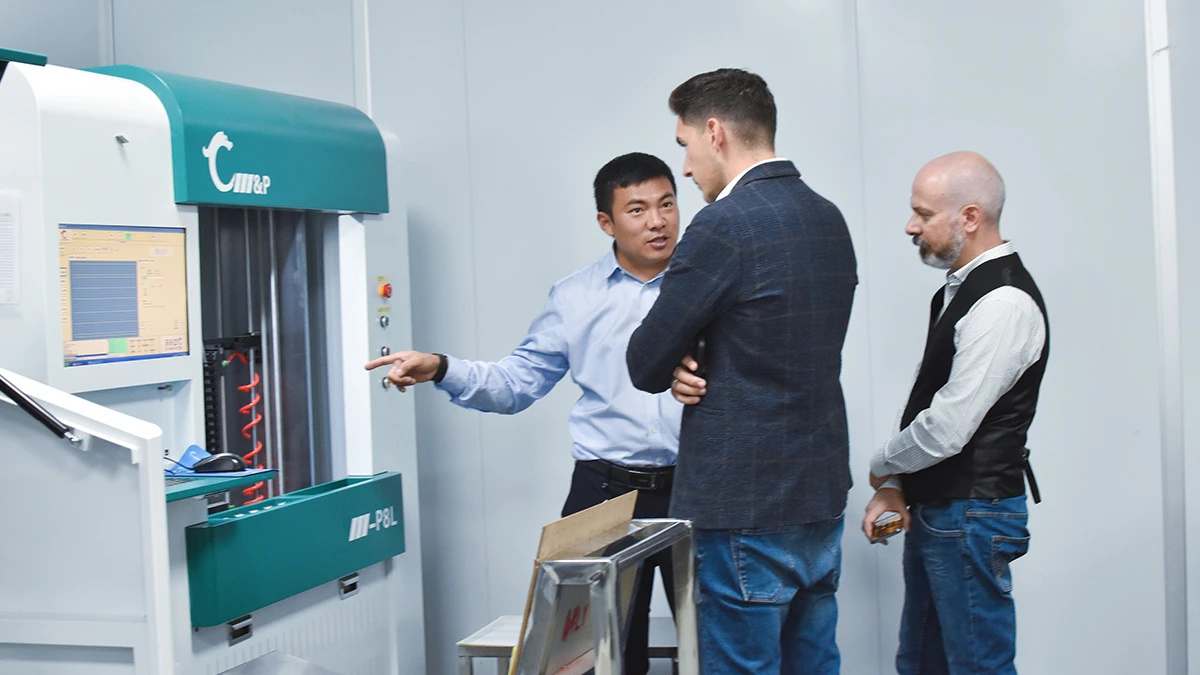
When global procurement teams and hardware architects search for reliable metal core pcb manufacturers, they must make a critical decision before fabrication begins: which base metal precisely suits their application's thermal demands, mechanical constraints, and budgetary limits?
At ApolloPCB, we do not believe in a one-size-fits-all approach. Choosing between aluminum and copper goes far beyond simple thermal conductivity ratings; it involves calculating the Coefficient of Thermal Expansion (CTE), overall structural weight, and the specific density of your heat-generating components. Here is our engineering breakdown of the two primary materials used on our factory floor:
Aluminum is the undisputed workhorse of the metal core PCB industry. At ApolloPCB, we primarily utilize high-grade 5052 and 6061 aluminum alloys, which provide an exceptional balance of mechanical rigidity and machinability.
Thermal Performance: When paired with our advanced ceramic-filled dielectrics, aluminum substrates offer excellent thermal conductivities ranging from 1.0 to 3.0+ W/m·K. This is more than sufficient to pull heat away from standard surface-mount components and distribute it evenly across the board's surface.
Manufacturability & Cost: From a factory perspective, aluminum is significantly softer and less abrasive than copper. This means it is easier to drill, route, and V-score, drastically reducing tooling wear and tear. These manufacturing efficiencies translate directly into a highly cost-effective per-unit price, making it ideal for massive production runs.
Weight Profile: Aluminum is inherently lightweight. For large-scale panel designs or suspended fixtures where weight restrictions are strict, aluminum is the superior choice.
Ideal Applications: Commercial LED street lighting, consumer electronics, motor controllers, architectural lighting, and automotive interior lighting.
When electronic designs push into the extreme boundaries of high-power density, aluminum simply cannot spread the heat fast enough to prevent localized "hot spots." For these mission-critical applications, ApolloPCB utilizes C1100 pure copper substrates.
Thermal Performance: Pure copper’s intrinsic thermal conductivity is approximately ~398 W/m·K, vastly outperforming aluminum (~237 W/m·K). Copper does not just absorb heat; it spreads concentrated thermal energy almost instantaneously away from the component junction, completely eliminating hot spots under power-dense ICs.
Thermomechanical Stability (CTE): One of the most overlooked advantages of copper is its Coefficient of Thermal Expansion. Copper expands and contracts at a rate much closer to the ceramic packages and silicon dies mounted on the board. In environments with severe thermal cycling (rapid heating and cooling), a copper base drastically reduces the shear stress on delicate solder joints, preventing micro-cracking and fatigue failure.
Manufacturability & Cost: Copper is a dense, heavy, and notoriously difficult metal to machine. It requires slower drilling feed rates, specialized diamond-coated routing bits, and rigorous chemical handling during etching. While this commands a premium price point, the unparalleled thermal performance guarantees the survival of your most expensive components.
Ideal Applications: This is the premier, uncompromised choice for EV traction inverters, heavy-duty outdoor solar security cameras operating in harsh climates, high-power telecom base stations, laser diode modules, and high-frequency RF applications.
Understanding the bare-metal manufacturing process on the factory floor is just the foundation of a successful product launch. To truly optimize your product's thermal performance, ensure long-term reliability in the field, and aggressively control your manufacturing costs, your engineering and procurement teams need deep, actionable data.
At ApolloPCB, we believe in radical transparency and knowledge sharing. We do not just build boards; we solve complex thermal bottlenecks. Our engineering team has developed a comprehensive, open-access library of technical resources designed specifically to bridge the gap between your R&D department and our automated production lines.
We invite you to explore the rest of our Metal Core PCB technical series. By navigating these deep-dive resources, you can perfectly align our heavy-copper and advanced dielectric manufacturing capabilities with your exact project requirements:
Dive Deep into Technical Specifications and Thermal Metrics: Raw thermal conductivity is only part of the equation. How does the thickness of the dielectric layer affect your high-voltage (Hi-pot) testing results? What is the exact mathematical correlation between copper weight, thermal impedance, and the Coefficient of Thermal Expansion (CTE)? In this technical breakdown, we analyze how our specialized ceramic-filled dielectrics actively manage heat transfer, reduce junction temperatures, and drastically prolong the Mean Time Between Failures (MTBF) for your most expensive power ICs.
[Metal Core PCB Performance: Optimizing Heat Dissipation in High-Power Electronics]
Explore Specific Industry Use Cases and Harsh Environments: Theoretical performance means nothing if the board fails under real-world stress. See exactly how our precision-machined aluminum and pure copper boards are actively deployed in the world's most demanding, continuous-operation environments. From managing the intense lumen depreciation in commercial LED streetlights to surviving the brutal thermal cycling inside EV traction inverters, telecom base stations, and outdoor off-grid solar security cameras, discover the practical applications of ApolloPCB's advanced thermal solutions.
[Read: Advanced Metal Core PCBs: Essential Cooling for LED and Automotive Lighting]
Optimize Your Global Supply Chain and Sourcing Budget: Over-engineering a board wastes your budget; under-engineering it guarantees catastrophic field failure. Discover how partnering directly with a primary China-based manufacturer allows you to strip out middleman broker markups and significantly reduce your overall Bill of Materials (BOM) cost. This guide explores how our early-stage DFM (Design for Manufacturing) interventions solve complex thermal design flaws before they reach the prototype phase, ensuring a highly cost-effective and smoothly scalable mass-production strategy.
[Read: Custom Metal Core PCB Solutions: Solving Thermal Challenges and Reducing Costs]
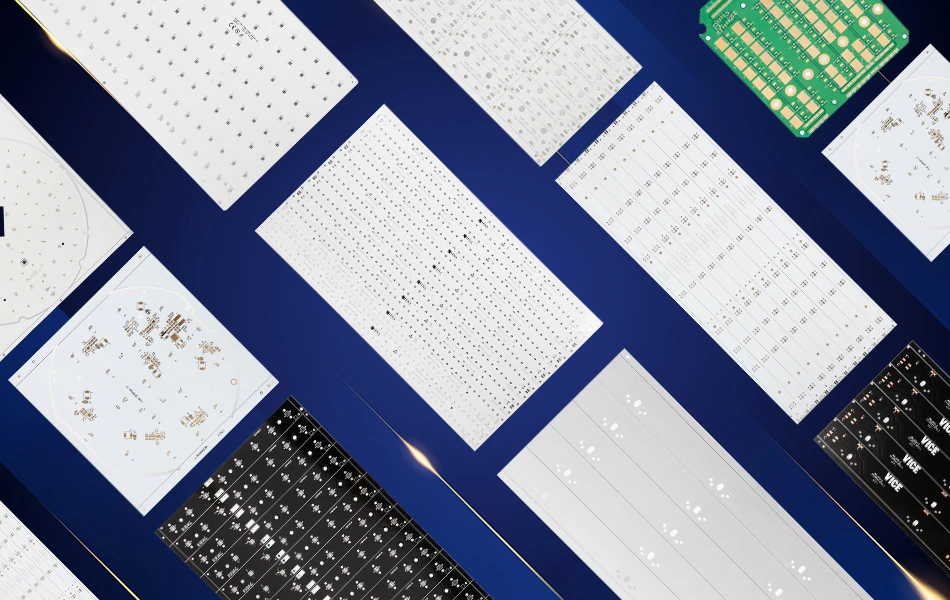
When hardware teams transition from R&D into mass production, speed, flexibility, and risk mitigation are their greatest assets. Here are the answers to the most critical questions we receive from new factory partners:
Absolutely. ApolloPCB strongly supports engineering teams during their critical R&D phases. We offer rapid metal core PCB prototyping services without enforcing rigid Minimum Order Quantities (MOQs). This enables you to physically validate your thermal dissipation designs and Hi-pot safety requirements before transitioning to mass production at our factory.
Yes. At ApolloPCB, we understand that time-to-market is critical for hardware success. We operate dedicated quick-turn production lines within our facility. Depending on design complexity, we can manufacture high-quality, single-layer metal core PCB prototypes in as little as 24 to 48 hours, accelerating your electronic product development cycle.
Managing heat is the absolute foundation of product reliability, safety, and brand reputation. By leveraging ApolloPCB’s high-precision Metal Core PCB Manufacturing capabilities, you actively protect your expensive components, extend product lifespans, and drastically reduce costly warranty claims.
Whether your assembly line requires a cost-effective Aluminum PCB for commercial smart lighting, or a rugged, heavy-copper Core PCB for an industrial inverter, your choice of manufacturer dictates your success. ApolloPCB stands ready with the factory capacity, deep technical expertise, and stringent quality control protocols to bring your most demanding thermal designs to life.
Do not let thermal throttling limit your product's potential. Contact the ApolloPCB engineering team today to submit your Gerber files for a comprehensive, free DFM review and secure an instant, factory-direct quote.
[Contact ApolloPCB Today for a Technical Consultation on Your Project]
Related Articles
Ultimate Metal Core PCB Guide: Boost Heat Efficiency in Power Tech
Metal Core PCB Performance: Optimizing Heat Dissipation
Metal Core PCB for LED & Automotive Cooling | ApolloPCB
Custom Metal Core PCB Solutions | Solve Heat & Reduce Costs | ApolloPCB

Got project ready to assembly? Contact us: info@apollopcb.com



 Whatsapp 0086 755 29438407
 Mail info@apollopcb.com
 Tel 0086 755 29438407


ABOUT US

PRODUCTS
TECHNOLOGY
KNOWLEDGE CENTRE
CULTURE
NEWS
We're not around but we still want to hear from you! Leave us a note:

Leave Message to APOLLOPCB
