




-
- PCB TYPE
- PRINTED CIRCUIT BOARD PROTOTYPE ALUMINUM PRINTED CIRCUIT BOARD R&F PCB FPC HIGH FREQUENCY PCB HIGH-TG PCB HEAVY COPPER PCB HDI PCB PCB FOR LIGHTING METAL CORE PCB


time:Jun 23. 2025, 08:51:32
In the electronics industry's rapid evolution, thermal management is crucial as devices shrink while power and functionality increase. Traditional PCBs often fail to handle heat from high - power components, causing performance issues and component failures. 1.0 W/mK Thermal Aluminum PCBs offer a solution, leveraging aluminum's properties for efficient heat transfer. This article explores their structure, advantages, design, manufacturing, applications, market trends, and future prospects.
Understanding the Structure of 1.0 W/mK Thermal Aluminum PCBs
Layer Composition
A 1.0 W/mK Thermal Aluminum PCB has three main layers. The aluminum core provides mechanical support and is the primary heat dissipation path. With 1.0 W/mK thermal conductivity, it efficiently absorbs heat. The dielectric layer between the core and copper insulates electrically and aids heat transfer, using specialized materials. The copper layer on the surface forms electrical traces for signal transmission and also transfers heat from components.
Material Selection
For the aluminum core, alloys like 5052 and 6061 balance thermal conductivity, strength, and cost. The dielectric layer uses thermally conductive epoxy resins or ceramic - filled polymers, with thickness optimized for insulation and heat transfer. High - purity copper foils of different thicknesses are chosen based on application needs for the copper layer.
Advantages of 1.0 W/mK Thermal Aluminum PCBs
Superior Heat Dissipation
These PCBs manage heat from high - power components effectively. The aluminum core quickly absorbs heat from the copper layer, and the dielectric layer helps transfer it, keeping component temperatures optimal and enhancing device performance and reliability.
Enhanced Durability
The aluminum core gives the PCB greater mechanical strength, making it resistant to bending, vibration, and shock. This is beneficial in harsh environments, reducing maintenance and replacement.
Longer Component Lifespan
By dissipating heat effectively, 1.0 W/mK Thermal Aluminum PCBs slow down component aging, extending their lifespan. This is especially important in LED lighting, where temperature affects longevity.
Environmental Friendliness
Aluminum's recyclability makes these PCBs eco - friendly. Their efficient heat dissipation can also reduce the need for extra cooling components, saving energy.
Design Considerations for 1.0 W/mK Thermal Aluminum PCBs
Thermal Design
Component Placement
Heat - generating components should be placed to maximize heat transfer to the aluminum core, often near thermal vias. The design of vias must be optimized according to component heat output.
Heat - Sink Integration
In some cases, heat - sink integration is needed. Good thermal contact with the aluminum core, achieved through thermal interface materials, and optimized heat - sink design improve heat dissipation.
Electrical Design
Trace Routing
Trace routing must consider signal integrity, impedance matching, and crosstalk. The aluminum core's impact on the electromagnetic field requires careful calculation of trace dimensions.
Power and Ground Plane Design
Dedicated power and ground planes reduce EMI and stabilize the power supply. Integrating their design with thermal design, like using thermal vias, helps manage heat from electrical current.
Design for Manufacturability
Adhering to DFM principles, such as using standard component footprints and ensuring manufacturing compatibility, simplifies production, cuts costs, and shortens time - to - market.
Manufacturing Processes of 1.0 W/mK Thermal Aluminum PCBs
Material Preparation
High - quality aluminum sheets, prepared dielectric materials, and copper foils are carefully selected and prepped for manufacturing.
Lamination
Lamination bonds the layers with heat and pressure. Precise parameter control ensures a strong, defect - free bond.
Drilling and Plating
Drilling creates holes for vias and component mounting, followed by electroplating to coat holes with copper for electrical connections.
Circuit Patterning
Photolithography patterns the copper layer. A resist material is applied, exposed to UV light, developed, and the copper is etched to form circuits.
Applications of 1.0 W/mK Thermal Aluminum PCBs
LED Lighting
Ideal for LED lighting, these PCBs manage LED - generated heat, maintaining brightness and extending lifespan. Their mechanical strength suits various lighting fixtures.
Power Electronics
In power electronics, they handle heat from high - power components, improving device efficiency and component lifespan.
Automotive Electronics
Automotive electronics benefit from their heat - dissipation and mechanical strength, ensuring reliable operation in harsh vehicle environments.
Telecommunications
Used in telecommunications equipment, they dissipate heat from high - power components, ensuring stable signal processing and data transfer.
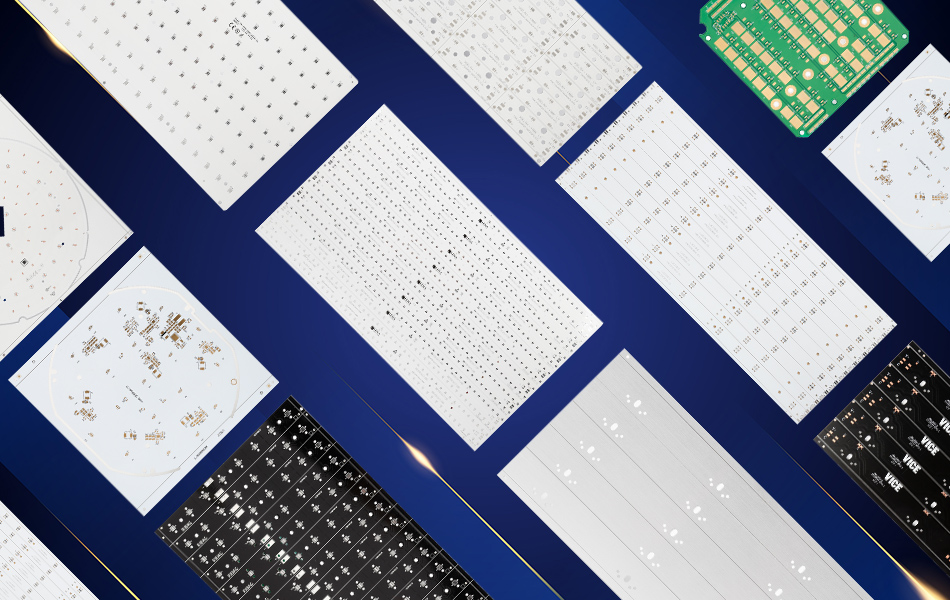
Market Dynamics of 1.0 W/mK Thermal Aluminum PCBs
Market Growth
The market for 1.0 W/mK Thermal Aluminum PCBs is growing steadily, driven by demand in energy - efficient lighting, automotive, and telecommunications, and the need for better thermal management.
Competitive Landscape
The market is competitive, with established and emerging manufacturers. Key competitive factors are product quality, cost - effectiveness, innovation, and customer service.
Challenges
Challenges include high production costs due to materials and processes, design and manufacturing complexity as electronics evolve, and ensuring mass - production quality.
Future Trends
Future trends involve material advancements for better performance, integration with emerging technologies like 5G and IoT, adoption of advanced manufacturing for customization and efficiency, and more sustainable manufacturing processes.
Conclusion
1.0 W/mK Thermal Aluminum PCBs are essential in modern electronics, offering superior thermal management, durability, and other benefits across industries. Despite challenges, ongoing advancements and trends promise growth and innovation, shaping the future of electronics.

Got project ready to assembly? Contact us: info@apollopcb.com



 Whatsapp 0086 755 29438407
 Mail info@apollopcb.com
 Tel 0086 755 29438407


ABOUT US

PRODUCTS
TECHNOLOGY
KNOWLEDGE CENTRE
CULTURE
NEWS
We're not around but we still want to hear from you! Leave us a note:

Leave Message to APOLLOPCB
