




-
- PCB TYPE
- PRINTED CIRCUIT BOARD PROTOTYPE ALUMINUM PRINTED CIRCUIT BOARD R&F PCB FPC HIGH FREQUENCY PCB HIGH-TG PCB HEAVY COPPER PCB HDI PCB PCB FOR LIGHTING METAL CORE PCB


time:Jun 06. 2025, 10:05:03
In the modern automotive landscape, electronic systems have become the backbone of vehicle functionality, safety, and performance. From engine control units (ECUs) and advanced driver - assistance systems (ADAS) to lighting and infotainment, electronics play a pivotal role. At the heart of these systems lies the Printed Circuit Board (PCB), and specifically, the Automotive Grade Aluminum Core PCB has emerged as a critical enabler. These specialized PCBs are engineered to meet the rigorous demands of automotive applications, offering unparalleled thermal management, mechanical durability, and electrical reliability in harsh operating environments.
The automotive industry's shift toward electrification, autonomous driving, and connected vehicles has amplified the need for high - performance PCBs. Aluminum core PCBs, with their unique structure and material properties, address the challenges posed by increased power density, temperature fluctuations, vibrations, and electromagnetic interference (EMI) that are inherent in automotive settings. As vehicles become more sophisticated, the role of Automotive Grade Aluminum Core PCBs in ensuring system integrity and longevity cannot be overstated.
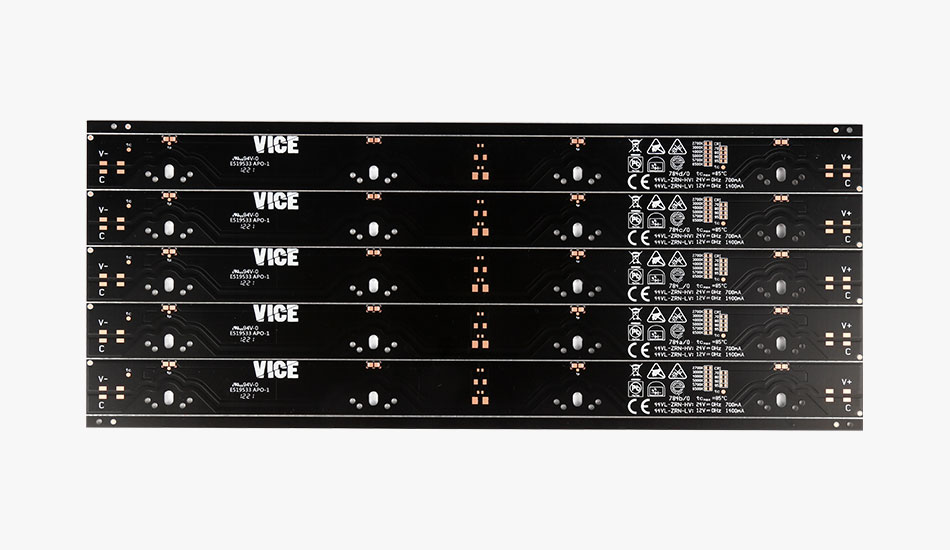
Structure and Material Composition
Aluminum Core Layer
The defining feature of an Automotive Grade Aluminum Core PCB is its aluminum base layer. This core serves multiple critical functions. Firstly, it acts as an efficient heat sink, rapidly transferring heat away from heat - generating components such as power transistors, LEDs, and microprocessors. The high thermal conductivity of aluminum ensures that thermal energy is dissipated across a larger surface area, preventing hotspots and maintaining optimal component temperatures.
Secondly, the aluminum core provides exceptional mechanical strength and rigidity. In automotive applications, PCBs are subjected to constant vibrations, shocks, and temperature cycling. The aluminum layer helps the PCB withstand these stresses, reducing the risk of mechanical failure, such as cracked traces or delamination. Additionally, aluminum is lightweight compared to other metals, contributing to overall vehicle weight reduction, which is crucial for improving fuel efficiency in conventional vehicles and extending the range of electric vehicles.
Dielectric Layer
Sandwiched between the aluminum core and the copper circuit layer, the dielectric layer plays a dual role. It electrically insulates the conductive copper traces from the aluminum core while facilitating heat transfer. Automotive - grade dielectric materials are carefully selected for their high thermal conductivity, electrical insulation properties, and resistance to thermal cycling and moisture.
These materials often include specialized epoxy - based compounds or ceramic - filled polymers. The dielectric layer's thickness and composition are optimized to balance thermal performance and electrical isolation. A thinner dielectric layer enhances heat transfer but must maintain sufficient dielectric strength to prevent short - circuits, especially in high - voltage automotive applications.
Copper Circuit Layer
The copper circuit layer is where the electrical pathways are etched. High - purity copper is used due to its excellent electrical conductivity, which minimizes signal loss and power dissipation. The circuit traces are designed to carry electrical current efficiently while adhering to strict automotive standards for signal integrity and EMI reduction.
In automotive applications, the copper layer may undergo additional surface treatments to enhance solderability and corrosion resistance. Common finishes include electroless nickel immersion gold (ENIG), which provides a durable and flat surface for component mounting, and organic solderability preservatives (OSP), which protect the copper during storage and assembly.
Thermal Management Capabilities
Efficient thermal management is a primary advantage of Automotive Grade Aluminum Core PCBs. In automotive electronics, components such as power semiconductors in ECUs and high - power LEDs in lighting systems generate significant heat. If not properly managed, this heat can degrade component performance, reduce lifespan, and even lead to system failures.
The aluminum core acts as a natural heat spreader, conducting heat away from hot components and dissipating it into the surrounding environment. This is particularly important in under - hood applications, where temperatures can exceed 100°C, and in LED lighting, where heat can cause color shift and reduced luminous efficacy. By maintaining lower operating temperatures, Aluminum Core PCBs enhance component reliability and reduce the need for additional cooling solutions, such as fans or heat sinks, which can add weight and complexity to the system.
Manufacturing Process
Material Preparation
The manufacturing of Automotive Grade Aluminum Core PCBs begins with meticulous material preparation. The aluminum substrate is cleaned and treated to remove impurities and ensure optimal adhesion with the dielectric layer. The copper foil is inspected for defects and prepared for lamination.
Lamination
The lamination process is critical to bond the dielectric layer to the aluminum core and the copper foil to the dielectric. High - pressure and temperature conditions are carefully controlled to ensure a uniform and void - free bond. This step is crucial for maintaining thermal and mechanical performance, as any defects in the lamination can lead to delamination or reduced heat transfer efficiency.
Circuit Pattern Formation
Using photolithography and etching processes, the desired circuit pattern is transferred onto the copper layer. Precision etching techniques are employed to ensure accurate trace widths and spacing, meeting the tight tolerances required for automotive applications.
Drilling and Plating
Holes are drilled through the PCB for vias and component mounting. These holes are then plated with copper to establish electrical connections between different layers. The plating process must be carefully controlled to ensure reliable conductivity and mechanical strength.
Surface Finishing
The PCB undergoes surface finishing to protect the copper traces and prepare them for component assembly. As mentioned earlier, finishes like ENIG or OSP are commonly used to enhance solderability and corrosion resistance.
Quality Control
Automotive Grade Aluminum Core PCBs undergo rigorous quality control measures. This includes testing for electrical continuity, insulation resistance, thermal performance, and mechanical integrity. Advanced inspection techniques, such as automated optical inspection (AOI) and X - ray inspection, are used to detect any defects that could compromise the PCB's performance in automotive environments.
Automotive Applications
Power Electronics
In automotive power electronics, Aluminum Core PCBs are used in ECUs, DC - DC converters, and battery management systems. These applications handle high power densities and require efficient thermal management to ensure stable operation. The aluminum core helps dissipate heat generated by power transistors and other high - current components, improving reliability and reducing the risk of thermal runaway.
LED Lighting
Automotive lighting systems, including headlights, taillights, and interior lighting, increasingly rely on high - power LEDs. Aluminum Core PCBs are ideal for these applications due to their ability to manage the heat generated by LEDs, ensuring consistent light output and extending the lifespan of the lighting system. Additionally, the lightweight nature of aluminum contributes to overall vehicle weight reduction.
ADAS and Sensors
Advanced driver - assistance systems, such as radar, lidar, and camera - based sensors, require PCBs that can withstand harsh environments while maintaining precise electrical performance. Aluminum Core PCBs provide the necessary thermal management and mechanical stability for these critical safety systems. They also help reduce EMI, which is essential for accurate sensor operation.
Infotainment Systems
In - vehicle infotainment systems, including touchscreens, audio amplifiers, and communication modules, utilize Aluminum Core PCBs to manage heat generated by processors and power amplifiers. These PCBs ensure reliable operation of entertainment and connectivity features, even in the face of temperature fluctuations and vibrations.
Design Considerations
Thermal Design
Effective thermal design is paramount for Automotive Grade Aluminum Core PCBs. Designers must consider component placement to ensure heat - generating components are positioned over the aluminum core for optimal heat transfer. Thermal vias can be used to enhance heat flow from the top layer to the aluminum core. Additionally, the layout should allow for adequate airflow around the PCB in the vehicle's environment.
Mechanical Stability
Given the vibrations and shocks inherent in automotive applications, the PCB design must prioritize mechanical stability. This includes using appropriate trace widths and spacing to prevent cracking, as well as ensuring proper anchoring of components to withstand mechanical stress. The aluminum core itself provides significant rigidity, but additional design features, such as reinforced mounting holes, may be necessary.
EMI/RFI Reduction
Electromagnetic interference (EMI) and radio - frequency interference (RFI) can disrupt the operation of automotive electronics. Designers must implement strategies to minimize these effects, such as proper grounding, shielding, and trace routing. The aluminum core can act as a partial shield against EMI, but careful circuit layout is also essential.
Compliance with Automotive Standards
Automotive Grade Aluminum Core PCBs must comply with rigorous industry standards, such as ISO 26262 for functional safety and IPC - 6012 for PCB qualification. Designers must ensure that the PCB design and manufacturing processes meet these standards to guarantee reliability and safety in automotive applications.
Advantages Over Traditional PCBs
Thermal Performance
Compared to traditional FR - 4 PCBs, Aluminum Core PCBs offer significantly better thermal performance. The aluminum core provides a direct path for heat dissipation, reducing component temperatures and improving reliability. This is particularly important in high - power automotive applications where FR - 4 PCBs would require additional cooling measures.
Mechanical Durability
The aluminum core enhances the PCB's mechanical durability, making it more resistant to vibrations and shocks. This is crucial in automotive environments, where traditional PCBs may fail due to mechanical stress over time.
Weight Reduction
Aluminum is lighter than other materials used in PCBs, such as copper or steel. By using Aluminum Core PCBs, automotive manufacturers can reduce the weight of electronic systems, contributing to improved fuel efficiency and extended battery life in electric vehicles.
Cost - Efficiency
While Aluminum Core PCBs may have a higher initial cost than traditional PCBs, their long - term cost - efficiency is often superior. Their improved thermal performance and durability reduce the need for costly repairs and replacements, making them a cost - effective choice for automotive applications.
Future Trends and Challenges
Electrification and Autonomous Driving
As the automotive industry continues to shift toward electrification and autonomous driving, the demand for Automotive Grade Aluminum Core PCBs is expected to grow. These technologies require even more sophisticated electronics with higher power densities, placing greater demands on PCB thermal management and reliability.
Miniaturization and Higher Integration
The trend toward miniaturization in automotive electronics will require Aluminum Core PCBs to support higher component densities and finer trace geometries. This will challenge manufacturers to develop advanced manufacturing processes and materials to maintain performance while reducing size.
Environmental Considerations
Automotive manufacturers are increasingly focused on environmental sustainability. This includes reducing the environmental impact of PCBs through the use of recyclable materials and eco - friendly manufacturing processes. Future Aluminum Core PCBs may incorporate more sustainable materials and production methods.
Challenges in Material Compatibility
As automotive electronics become more complex, ensuring compatibility between different materials in the PCB stack - up will become more challenging. For example, managing the different coefficients of thermal expansion between the aluminum core, dielectric, and copper layers will require advanced materials and design techniques to prevent delamination and other failures.
In conclusion, Automotive Grade Aluminum Core PCBs are indispensable in modern vehicle electronics, providing the thermal management, mechanical durability, and electrical reliability required for demanding automotive applications. As the automotive industry continues to evolve, these PCBs will play a crucial role in enabling new technologies and ensuring the safety, performance, and efficiency of future vehicles.

Got project ready to assembly? Contact us: info@apollopcb.com



 Whatsapp 0086 755 29438407
 Mail info@apollopcb.com
 Tel 0086 755 29438407


ABOUT US

PRODUCTS
TECHNOLOGY
KNOWLEDGE CENTRE
CULTURE
NEWS
We're not around but we still want to hear from you! Leave us a note:

Leave Message to APOLLOPCB
