




-
- PCB TYPE
- PRINTED CIRCUIT BOARD PROTOTYPE ALUMINUM PRINTED CIRCUIT BOARD R&F PCB FPC HIGH FREQUENCY PCB HIGH-TG PCB HEAVY COPPER PCB HDI PCB PCB FOR LIGHTING METAL CORE PCB


time:Aug 23. 2025, 12:07:10
CEM-3-09HT CEM3 PCB represents a purposeful evolution of standard CEM3 PCB technology, designed to retain the core advantages of traditional CEM3—cost-effectiveness, process compatibility, and mechanical versatility—while addressing its critical limitation: vulnerability to extreme heat and sustained thermal stress. Standard CEM3 PCB has long been a workhorse in mid-tier electronics, from consumer appliances to basic industrial sensors, thanks to its balanced blend of epoxy resin and glass fiber reinforcement. However, in applications where temperatures exceed 100°C for extended periods or power density rises sharply—such as new energy storage systems, special industries controllers, or heavy-duty automotive electronics—standard CEM3 struggles with resin degradation, delamination, and electrical performance drift.
CEM-3-09HT CEM3 PCB bridges this gap by integrating targeted material enhancements into the standard CEM3 framework, rather than reinventing the substrate from scratch. This evolutionary approach ensures it remains compatible with existing PCB manufacturing lines (avoiding costly retooling) while delivering the high-temperature resilience and reliability needed for harsh environments. This article examines how CEM-3-09HT builds on standard CEM3’s strengths, the technical upgrades that define its performance leap, real-world applications where this evolution is critical, and practical guidance for selecting between standard CEM3 and CEM-3-09HT—all while maintaining the accessibility that makes CEM3 a staple in electronics manufacturing.
To understand the value of CEM-3-09HT CEM3 PCB, it first requires recognizing where standard CEM3 falls short when pushed beyond its intended operating range. Standard CEM3 is engineered for moderate conditions (typically -30°C to 100°C), but in extreme environments, its inherent design constraints become liabilities:
Standard CEM3 relies on bisphenol-A epoxy resins cured with amine-based agents—formulations that begin to soften and break down when exposed to temperatures above 100°C for weeks or months. This "thermal aging" causes the resin to lose its ability to bind glass fibers and copper cladding, leading to:
Reduced mechanical strength: Standard CEM3 can lose 40–50% of its flexural strength after 1,000 hours at 120°C, making it prone to cracking under vibration.
Electrical conductivity drift: Degraded resin becomes more porous, increasing moisture absorption and reducing insulation resistance. In a standard CEM3 PCB used in a 110°C industrial oven controller, insulation resistance can drop by 60% in six months, risking short circuits.
Standard CEM3’s layered structure—non-woven glass core, woven outer layers, and copper cladding—suffers from mismatched thermal expansion coefficients (CTE) between components. When exposed to repeated heating (e.g., from a power module) and cooling (e.g., shutdowns), this mismatch creates stress at the interfaces between layers. Over time, this leads to delamination:
In automotive under-hood electronics (temperatures swinging from -40°C to 120°C), standard CEM3 PCBs often delaminate within 2,000 thermal cycles—well below the 5,000+ cycle lifespan required for vehicle electronics.
Delamination not only weakens the PCB but also disrupts copper traces, causing intermittent connections or complete failure in critical systems like sensor arrays.
Modern electronics are packing more power into smaller footprints—for example, 5G base station power amplifiers or EV on-board chargers. Standard CEM3’s low thermal conductivity (0.4–0.5 W/mK) and limited heat resistance mean it cannot dissipate concentrated heat from high-power components:
A standard CEM3 PCB in a 200W LED driver will develop hot spots (180°C+) near the driver IC, even if the ambient temperature is 80°C. These hot spots degrade the IC’s performance and shorten its lifespan by 50% or more.
These limitations are not flaws in standard CEM3—they reflect its design for mid-range applications. CEM-3-09HT CEM3 PCB addresses them by upgrading key components of the standard CEM3 structure, rather than abandoning its cost and process advantages.
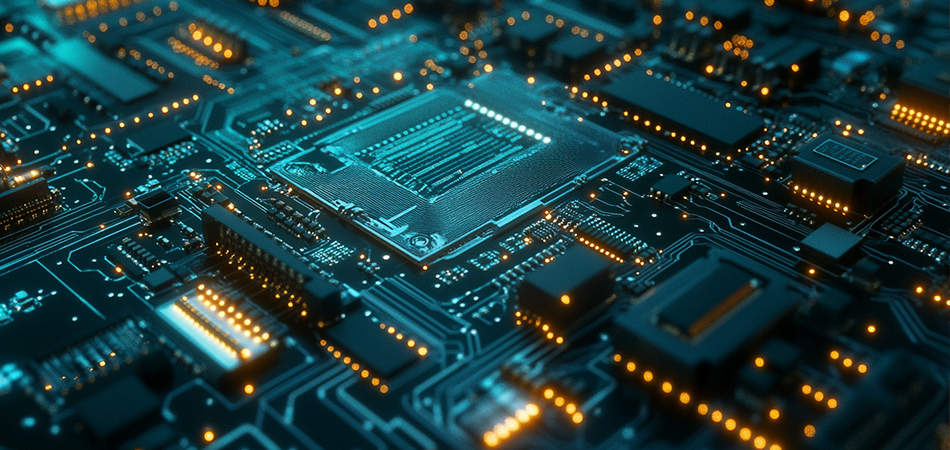
CEM-3-09HT CEM3 PCB is not a radical departure from standard CEM3; it is a strategic enhancement of its core components. Every upgrade is designed to preserve standard CEM3’s compatibility with existing manufacturing processes while fixing its extreme-environment vulnerabilities. The key improvements focus on three critical areas: resin formulation, fiber reinforcement, and interface bonding.
The most impactful upgrade in CEM-3-09HT is its epoxy resin system, which replaces standard CEM3’s bisphenol-A/amine formulation with a heat-resistant alternative—while keeping the resin’s flow properties compatible with standard lamination:
Aromatic Epoxy Monomers: Instead of bisphenol-A, CEM-3-09HT uses bisphenol-F or novolac-based monomers, which form stronger chemical bonds during curing. These bonds resist breaking at high temperatures, raising the resin’s glass transition temperature (Tg) by 30–40% compared to standard CEM3.
Anhydride Curing Agents: Amine-based curing agents in standard CEM3 degrade above 100°C; CEM-3-09HT uses anhydride curing agents, which create a highly cross-linked resin network. This network retains rigidity at 150°C+, preventing the "softening" that leads to mechanical failure.
Thermal Oxidation Inhibitors: Additives like hindered phenols are integrated to slow resin degradation caused by oxygen at high temperatures. In accelerated aging tests, CEM-3-09HT’s resin retains 80% of its original strength after 2,000 hours at 130°C—compared to 45% for standard CEM3.
Crucially, this upgraded resin still flows like standard CEM3 during lamination, ensuring it can be processed on existing equipment. Manufacturers do not need to adjust press temperatures or pressures drastically, keeping production costs in line with standard CEM3.
Standard CEM3 uses low-grade E-glass fibers, which are cost-effective but soften slightly at high temperatures. CEM-3-09HT upgrades the fiber component to enhance both thermal and mechanical resilience:
High-Purity E-Glass or S-Glass Fibers: CEM-3-09HT replaces standard E-glass with high-purity variants (lower impurity content) or S-glass (higher silica content). These fibers maintain their stiffness at 160°C+ and resist fiber breakage during thermal cycling.
Dense, Uniform Fiber Packing: The non-woven core of CEM-3-09HT has a 10–15% higher fiber volume fraction than standard CEM3 (55–60% vs. 45–50%). This denser packing creates a more rigid framework that restricts resin expansion, reducing CTE mismatch between layers.
Directional Fiber Alignment: In critical areas of the PCB (e.g., near high-heat components), woven outer layers are aligned parallel to heat flow. This reduces fiber-induced thermal resistance, a minor issue in standard CEM3 but a critical one in high-temp applications.
These fiber upgrades do not increase the PCB’s weight or thickness significantly—key for applications where size and weight are constrained, such as automotive sensors or portable industrial tools.
Standard CEM3 often fails at the interfaces between fibers, resin, and copper—where weak bonding creates gaps that amplify thermal stress. CEM-3-09HT strengthens these interfaces to prevent delamination:
Heat-Stable Silane Coupling Agents: Standard CEM3 uses basic silane agents that degrade at high temperatures. CEM-3-09HT uses amino-silane variants modified for thermal stability, forming covalent bonds between fibers and resin that remain intact at 180°C.
Copper-Clad Surface Treatment: The copper cladding in CEM-3-09HT undergoes a special oxide treatment that improves adhesion to the upgraded resin. This reduces the "thermal resistance gap" between copper (which conducts heat well) and the composite substrate—critical for dissipating heat from components soldered to the copper.
Together, these interface upgrades reduce delamination rates by 70% compared to standard CEM3 in thermal cycling tests (-40°C to 150°C), extending PCB lifespan in harsh environments.
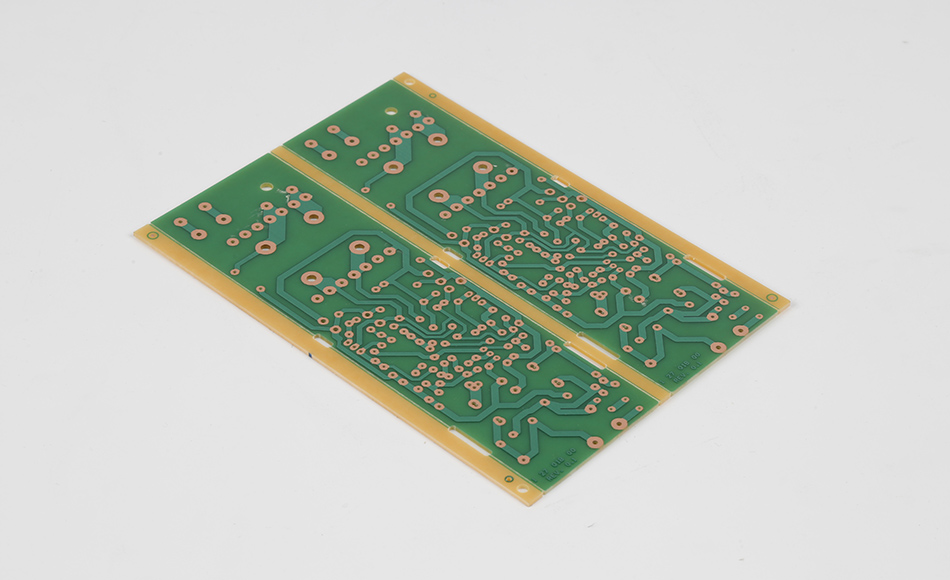
A key advantage of CEM-3-09HT CEM3 PCB is that it does not replace standard CEM3—it complements it. The two substrates share enough commonality to allow manufacturers to use the same supply chains and production lines, while offering clear performance thresholds to guide selection. Below are the scenarios where upgrading from standard CEM3 to CEM-3-09HT is critical, and where standard CEM3 remains the optimal choice.
CEM-3-09HT becomes necessary when the application exceeds standard CEM3’s thermal or mechanical limits:
Sustained High Temperatures: Applications where the PCB operates at 100°C–150°C for weeks or months (e.g., industrial furnace controllers, EV battery management systems). Standard CEM3’s resin degrades here, while CEM-3-09HT retains stability.
Frequent Thermal Cycling: Devices that experience repeated heating and cooling (e.g., aerospace avionics, automotive engine sensors). CEM-3-09HT’s interface bonding and low CTE mismatch prevent delamination.
High Power Density: Components generating concentrated heat (e.g., 150W+ LED drivers, industrial servo drives). CEM-3-09HT’s upgraded resin and fiber network dissipate heat more effectively than standard CEM3, preventing hot spots.
Standard CEM3 is still the better choice for applications within its operating range, as it offers lower cost and no performance tradeoffs:
Moderate Temperatures: Devices operating at -30°C to 80°C (e.g., home appliances, office electronics). Standard CEM3 performs reliably here, and CEM-3-09HT’s upgrades would be unnecessary.
Low Power Density: Low-power sensors or basic control circuits (e.g., remote controls, simple IoT nodes). These generate minimal heat, so standard CEM3’s thermal limitations never come into play.
Cost-Sensitive High-Volume Production: Consumer goods like disposable medical sensors or budget smartphones. Standard CEM3’s lower cost (15–20% less than CEM-3-09HT) translates to significant savings at scale.
This complementary relationship is what makes CEM-3-09HT a powerful evolution of CEM3: it extends the substrate’s utility into harsh environments without rendering the standard version obsolete.
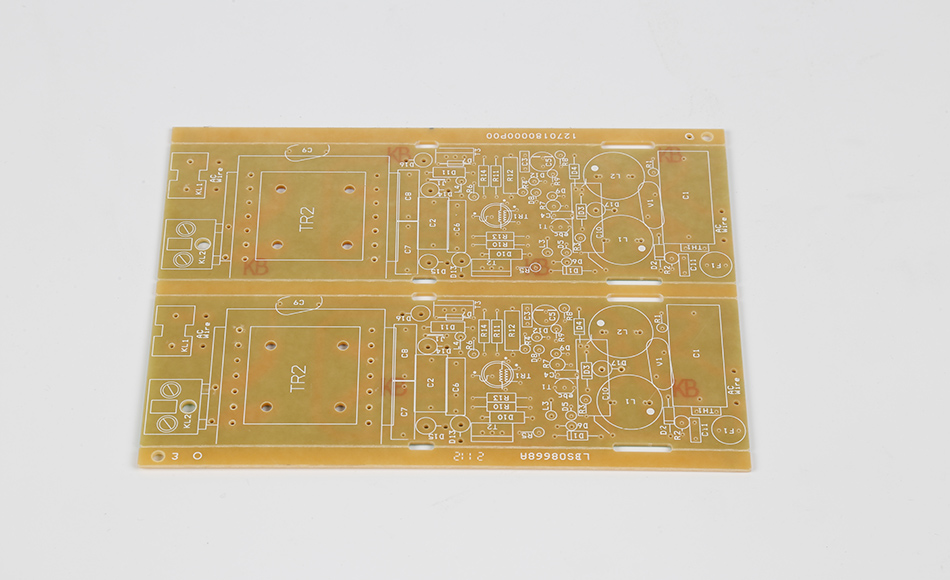
CEM-3-09HT CEM3 PCB’s ability to balance standard CEM3’s accessibility with high-temperature resilience has made it a go-to solution in industries where harsh conditions meet cost constraints. Below are key applications where this evolution is driving innovation:
Battery Energy Storage (BESS) Controllers: BESS systems store renewable energy (solar, wind) and release it during peak demand. Their controllers operate in outdoor enclosures, where temperatures can reach 120°C in summer. CEM-3-09HT’s resin resists degradation here, ensuring the controller maintains accurate charge/discharge cycles.
Inverter PCBs: Grid-tie inverters convert DC power from batteries to AC, generating heat during conversion. CEM-3-09HT’s thermal stability prevents delamination, even when the inverter runs at 130°C for hours during high-demand periods.
Commercial Vehicle (Truck/Bus) ECUs: Commercial vehicles operate in extreme conditions—engine bays reach 140°C, and road vibration is more intense than in passenger cars. CEM-3-09HT’s fiber reinforcement and interface bonding withstand both heat and vibration, extending ECU lifespan to 10+ years (vs. 5 years for standard CEM3).
EV Charging Stations: Fast-charging stations (DC fast chargers) generate significant heat in their power modules. CEM-3-09HT PCBs in these modules dissipate heat while resisting the 120°C+ temperatures of outdoor installations, ensuring reliable charging even in hot climates.
Oil and Gas Sensors: Downhole sensors in oil wells operate at 150°C+ and high pressure. Standard CEM3 would fail here, but CEM-3-09HT’s resin and fiber upgrades maintain sensor accuracy for years, reducing costly well maintenance.
Glass Manufacturing Controllers: Glass melting furnaces run at 1,500°C, and nearby control PCBs are exposed to 130°C radiant heat. CEM-3-09HT’s thermal resilience prevents resin softening, ensuring precise temperature control of the furnace.
Cabin Climate Controls: Aircraft cabin systems operate at 100–120°C during flight, with rapid altitude-induced temperature changes. CEM-3-09HT’s resistance to thermal cycling ensures consistent heating/cooling for passengers.
Unmanned Aerial Vehicles (UAVs) for Industrial Inspection: UAVs used to inspect power lines or industrial facilities fly in extreme temperatures (-30°C to 110°C). CEM-3-09HT PCBs in their navigation systems maintain reliability, even during long flights in harsh weather.
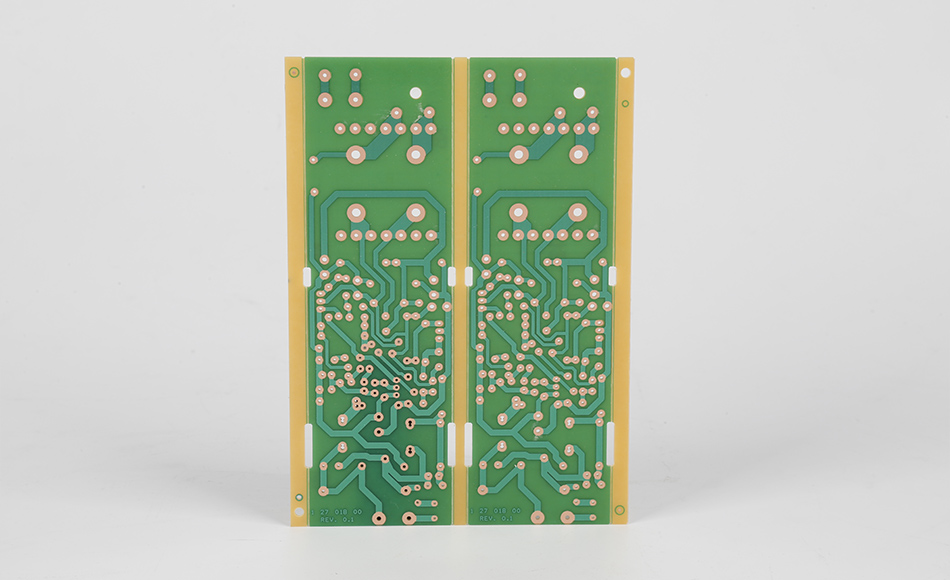
A major barrier to adopting high-performance PCBs is the need for specialized manufacturing equipment—something CEM-3-09HT avoids by design. It is engineered to integrate seamlessly with standard CEM3 production processes, reducing adoption costs for manufacturers:
CEM-3-09HT uses the same lamination presses as standard CEM3. While the curing cycle is slightly adjusted (extended post-cure at 200°C), this requires only software changes to press controllers—not new hardware. Manufacturers can switch between standard CEM3 and CEM-3-09HT on the same line with minimal downtime.
CEM-3-09HT’s fiber and resin upgrades do not change its machinability. Standard carbide drills and etching chemicals work equally well on both substrates, with no need for specialized tooling. This is critical for small to mid-sized manufacturers that cannot afford dedicated lines for high-performance PCBs.
CEM-3-09HT withstands reflow soldering temperatures (up to 260°C) just like standard CEM3, ensuring it works with existing SMT pick-and-place machines and reflow ovens. Component placement accuracy is identical, so manufacturers do not need to adjust their assembly processes.
This compatibility means that adopting CEM-3-09HT is a low-risk investment: manufacturers can serve high-end customers requiring extreme-environment PCBs without abandoning their core standard CEM3 business.
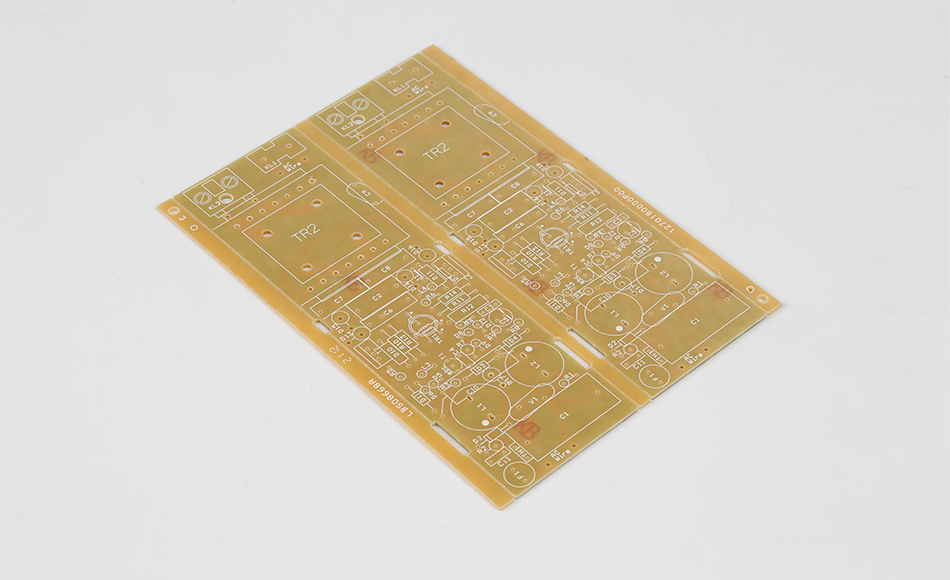
As electronics continue to push into harsher environments and higher power densities, CEM-3-09HT is evolving to meet new demands—while staying rooted in standard CEM3’s accessibility:
Manufacturers are developing CEM-3-09HT variants using bio-based epoxy resins (derived from plant oils like castor or soybean) and recycled glass fibers. These sustainable versions retain 90% of CEM-3-09HT’s performance while reducing carbon emissions by 25–30% compared to standard CEM-3-09HT. This aligns with the electronics industry’s shift toward circular economy practices.
Future CEM-3-09HT PCBs may include embedded "thermal vias"—microscopic channels filled with thermally conductive materials like copper. These vias would direct heat from high-power components to the PCB’s edges, further reducing hot spots. This upgrade would maintain compatibility with standard manufacturing, as the vias can be drilled and filled using existing equipment.
Engineers are exploring ways to adjust CEM-3-09HT’s properties for specific use cases:
High-Voltage Resistance: Adding ceramic fillers to the resin to improve insulation for EV 800V architectures.
Enhanced Vibration Resistance: Using a blend of S-glass and carbon fibers for UAVs or off-road vehicle electronics.
These tunable variants would still build on standard CEM3’s framework, ensuring they remain cost-effective and process-compatible.
CEM-3-09HT CEM3 PCB is more than a high-performance substrate—it is a strategic evolution of standard CEM3, addressing its extreme-environment limitations while preserving the accessibility that makes CEM3 a cornerstone of electronics manufacturing. By upgrading key components (resin, fibers, interfaces) without reinventing the wheel, it delivers the high-temperature resilience and reliability needed for new energy storage,heavy-duty automotive, and special industries applications—all while working on existing production lines.
For manufacturers and engineers, this evolution means no longer choosing between cost-effectiveness (standard CEM3) and performance (premium substrates like ceramic or high-temp FR4). CEM-3-09HT offers both, extending CEM3’s utility into harsh environments where it was once excluded. As electronics continue to advance into more challenging conditions, CEM-3-09HT will remain a critical bridge between standard technology and extreme-performance needs—proving that evolution, not revolution, is often the most powerful driver of innovation in electronics substrates.

Got project ready to assembly? Contact us: info@apollopcb.com



 Whatsapp 0086 755 29438407
 Mail info@apollopcb.com
 Tel 0086 755 29438407


ABOUT US

PRODUCTS
TECHNOLOGY
KNOWLEDGE CENTRE
CULTURE
NEWS
We're not around but we still want to hear from you! Leave us a note:

Leave Message to APOLLOPCB
