




-
- PCB TYPE
- PRINTED CIRCUIT BOARD PROTOTYPE ALUMINUM PRINTED CIRCUIT BOARD R&F PCB FPC HIGH FREQUENCY PCB HIGH-TG PCB HEAVY COPPER PCB HDI PCB PCB FOR LIGHTING METAL CORE PCB


time:Jun 11. 2025, 15:12:38
In the rapidly advancing electronics industry, printed circuit boards (PCBs) are the fundamental building blocks of countless devices. Among them, metal - core PCBs (MCPCBs) stand out for their exceptional ability to handle thermal and mechanical challenges. Countersink holes, a seemingly simple yet crucial feature of MCPCBs, play a multifaceted role in ensuring mechanical stability, influencing electrical performance, and enhancing thermal management. This article comprehensively explores the design, manufacturing, quality control, applications, challenges, and future trends of countersink holes in metal - core PCBs.
Understanding Metal - Core PCBs
Structure and Composition
MCPCBs are specifically engineered for high - power and high - performance applications, featuring a three - layer structure:
Metal Core: Commonly crafted from aluminum or copper, this layer serves as an efficient heat sink. Aluminum offers a cost - effective solution with good mechanical properties, while copper provides superior thermal conductivity. Both materials effectively dissipate heat generated by high - power components like power transistors or high - brightness LEDs, ensuring optimal component operation and extended lifespan.
Insulating Dielectric Layer: Positioned between the metal core and the conductive layer, this layer is typically made of thermally conductive epoxy resins. It has a dual function: electrically isolating the metal core from the conductive layer to prevent short - circuits and facilitating heat transfer from components to the metal core. The thickness and material properties of this layer are carefully optimized to balance electrical insulation and thermal performance.
Conductive Layer: The top - most copper layer features precisely etched electrical traces that connect various components on the PCB. The thickness of this layer varies based on the circuit's current - carrying requirements, with thicker layers used in high - current applications to minimize voltage drops and ensure efficient power transfer.
Advantages of Metal - Core PCBs
MCPCBs offer several significant advantages over traditional FR - 4 PCBs:
Superior Thermal Performance: The high thermal conductivity of the metal core enables efficient heat dissipation, up to five times more effectively than FR - 4PCBs in high - power LED lighting applications. This helps maintain component performance and reduces the need for additional cooling mechanisms.
Enhanced Mechanical Strength: The metal core provides a rigid structure, making MCPCBs highly resistant to mechanical stress and vibration. This makes them suitable for harsh environments, such as automotive engines or industrial machinery.
Improved Electrical Performance: The insulating layer ensures excellent electrical isolation, while the metal core can be utilized as a ground plane in some designs, reducing electromagnetic interference (EMI) and enhancing overall electrical performance.

The Role of Countersink Holes in Metal - Core PCBs
Mechanical Fixation
Countersink holes in MCPCBs are primarily used for mechanical fixation. When a flat - head screw or similar fastener is inserted, its head sits flush with the PCB surface. This flush - mounted configuration offers a more secure and stable connection compared to standard through - holes, as the conical shape of the countersink hole evenly distributes the clamping force. In vibration - prone applications like aerospace electronics, countersink - mounted fasteners prevent screws from loosening, ensuring the PCB remains firmly in place and reducing the risk of stress - induced damage or component failure in high - reliability applications such as medical devices.
Aesthetic and Space - Saving Considerations
Aesthetically, countersink holes give PCB assemblies a clean and professional appearance, which is crucial in consumer electronics where visual appeal is a key selling point. In devices like smartphones and tablets, flush - mounted fasteners contribute to a sleek exterior. Practically, countersink holes are essential for space - saving in miniaturized electronics. By recessing fastener heads into the PCB, they eliminate the need for additional space above the PCB surface, enabling more compact designs for wearable devices and small - form - factor electronics.
Electrical and Thermal Implications
Electrically, if the metal core of the PCB serves as a ground plane, properly installed fasteners in countersink holes can establish reliable electrical connections to grounded components, reducing EMI and improving circuit grounding. This is particularly important in high - frequency applications like wireless communication devices. Thermally, countersink - mounted fasteners enhance heat transfer by creating a tight connection between the PCB and heat - dissipating structures such as metal heat sinks. This improved heat transfer is vital in high - power applications like power amplifiers, preventing component overheating and enhancing device reliability.
Design Considerations for Countersink Holes in Metal - Core PCBs
Hole Dimensions
Diameter: The diameter of the countersink hole must be precisely matched to the fastener. The conical section should be slightly larger than the fastener head to allow for a small clearance, facilitating easy insertion while ensuring a snug fit. The diameter of the straight part of the hole, through which the fastener shank passes, should be marginally larger than the shank diameter to prevent binding during assembly.
Depth: The depth of the countersink must be carefully determined to ensure the fastener head is fully recessed, achieving a flush surface without compromising the PCB's structural integrity. The overall hole depth, including the straight part for the shank, should allow for adequate thread engagement with the mating component.
Taper Angle: Common taper angles for countersink holes are 82° or 90°, depending on the fastener type. Maintaining the correct taper angle during manufacturing is essential for a proper fastener fit and secure connection.
Location on the PCB
The location of countersink holes must be carefully planned to avoid electrical traces and components, preventing damage during fastener installation. They should also align with mounting points on enclosures or other structures and be evenly distributed across the PCB to ensure balanced mechanical support and prevent warping under clamping force.
Interaction with PCB Layers
Insulating Layer: Designing countersink holes to avoid penetrating the insulating layer is crucial to prevent electrical short - circuits. Precise coordination between hole depth and layer thickness, along with optional non - conductive coatings, ensures electrical isolation.
Conductive Layer: Depending on the application, the copper layer around the countersink hole may need modification. For grounding purposes, it can be widened or connected to a larger ground plane; for non - electrical use, it may be etched away to prevent accidental contact with fasteners.
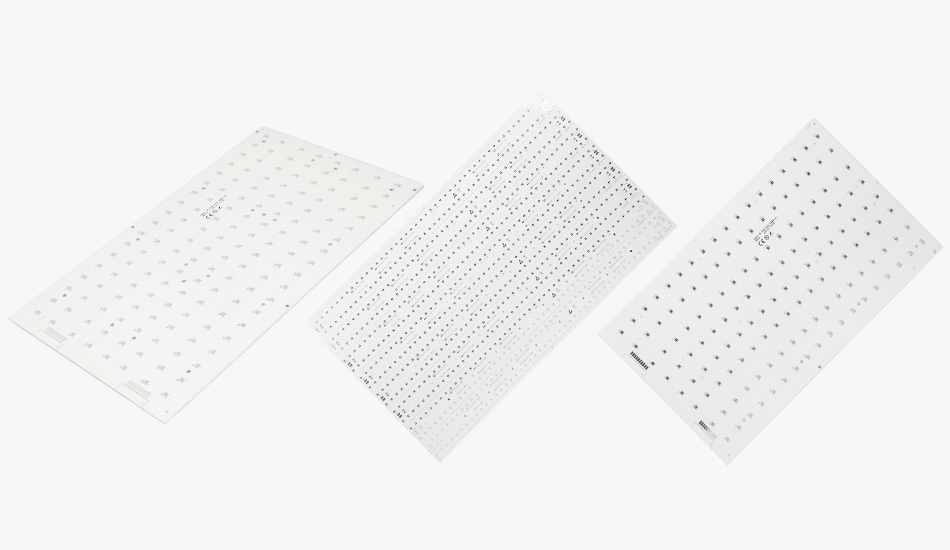
Manufacturing Processes for Countersink Holes in Metal - Core PCBs
Drilling and Countersinking
High - precision CNC drilling machines are used to create the straight part of the hole, with parameters like speed, feed rate, and coolant carefully controlled to ensure accurate dimensions and prevent material damage. Specialized countersink drill bits, milling cutters, or laser - based methods are then employed to form the conical section, each offering different levels of precision and efficiency suitable for various production volumes.
Surface Treatment and Finishing
If the countersink hole is intended for electrical connection, plating with materials like copper, nickel, or gold can enhance conductivity. Deburring removes burrs and rough edges, followed by thorough cleaning to remove debris, plating residues, and chemicals, ensuring a clean surface for fastener installation.
Quality Control and Inspection
Dimension Inspection
Tools such as calipers, micrometers, optical comparators, and 3D coordinate measuring machines (CMMs) are used to measure hole diameter, depth, and taper angle, ensuring they meet strict tolerance limits for proper fastener fit.
Surface Quality Inspection
Visual inspection under magnification, surface roughness testing, and non - destructive methods check for burrs and surface irregularities. For plated holes, cross - section analysis and X - ray fluorescence (XRF) assess plating quality, including thickness, defects, and adhesion.
Electrical and Mechanical Testing
Electrical continuity and impedance tests ensure proper conductivity for electrical connections. Mechanical tests like torque and pull - out testing evaluate the strength of the fastener connection, ensuring the PCB can withstand normal operating forces.
Applications of Metal - Core PCBs with Countersink Holes
LED Lighting
In high - power LED modules, countersink holes secure the PCB to heat - sinks, enabling efficient heat transfer and withstanding environmental stress. In decorative lighting, they provide an aesthetically pleasing and space - saving design.
Automotive Electronics
Used in headlight, taillight assemblies, and engine control units (ECUs), countersink holes ensure the PCB remains stable in the harsh automotive environment, withstanding vibrations, shocks, and temperature variations.
Industrial Electronics
In power electronics modules and industrial control panels, countersink holes offer reliable mechanical and electrical connections, ensuring the PCBs function properly in industrial settings.
Aerospace and Defense
In aerospace and defense applications, where reliability and performance are critical, metal - core PCBs with countersink holes are used in avionics systems, radar equipment, and missile guidance systems. The secure mechanical connections provided by countersink - mounted fasteners can withstand extreme conditions, including high - altitude pressures, rapid temperature changes, and intense vibrations.
Medical Devices
Medical devices such as diagnostic equipment, surgical robots, and implantable devices also benefit from metal - core PCBs with countersink holes. The precision and reliability of these components are essential for ensuring the safety and effectiveness of medical treatments. The flush - mounted fasteners not only contribute to the compact design of medical devices but also reduce the risk of contamination and mechanical failure, which could have serious consequences for patient health.
Challenges and Future Trends
Current Challenges
Miniaturization demands higher precision in creating countersink holes in smaller PCBs. Balancing manufacturing quality with cost - effectiveness is also a challenge, as is ensuring material compatibility during processes like plating. Additionally, as electronics become more complex, coordinating the design of countersink holes with other PCB features and components poses an increasing challenge.
Future Trends
Advanced manufacturing technologies such as laser - based machining, micro - electro - mechanical systems (MEMS) - based manufacturing, and additive manufacturing will improve precision and efficiency. Integration with smart manufacturing systems using the Internet of Things (IoT) and artificial intelligence (AI) will optimize the manufacturing process. Sustainable practices will also gain importance in PCB production, aiming to reduce waste and environmental impact.
Conclusion
Countersink holes in metal - core PCBs are essential features that significantly impact the performance, reliability, and functionality of these specialized circuit boards. From design and manufacturing to quality control and a wide range of applications, every aspect of these countersink holes requires careful consideration. Despite the challenges they present, ongoing technological advancements and industry trends offer promising solutions for the future. As the electronics industry continues to evolve, the role of countersink holes in metal - core PCBs will remain crucial, driving innovation and enabling the development of more efficient, reliable, and compact electronic devices.

Got project ready to assembly? Contact us: info@apollopcb.com



 Whatsapp 0086 755 29438407
 Mail info@apollopcb.com
 Tel 0086 755 29438407


ABOUT US

PRODUCTS
TECHNOLOGY
KNOWLEDGE CENTRE
CULTURE
NEWS
We're not around but we still want to hear from you! Leave us a note:

Leave Message to APOLLOPCB
