




-
- PCB TYPE
- PRINTED CIRCUIT BOARD PROTOTYPE ALUMINUM PRINTED CIRCUIT BOARD R&F PCB FPC HIGH FREQUENCY PCB HIGH-TG PCB HEAVY COPPER PCB HDI PCB PCB FOR LIGHTING METAL CORE PCB


time:Jan 13. 2026, 10:26:48
High-power products rarely fail because the schematic is wrong—they fail because heat was underestimated. When junction temperature rises, LEDs lose brightness faster, power devices drift, and reliability drops sharply during thermal cycling. For factory buyers in LED lighting, automotive electronics, industrial power, and energy conversion, choosing the right substrate is not optional. That’s why MCPCB (Metal Core PCB)—especially aluminum base pcb—is widely used for high-power applications where stable thermal performance and mechanical strength matter.
This article explains how custom aluminum PCB manufacturing works, what to specify for production-ready designs, and how to choose between double layer aluminum pcb and Double Sided aluminum pcb configurations for higher routing density and better electrical performance.
A typical aluminum base pcb (IMS structure) includes copper circuitry, a thermally conductive dielectric, and an aluminum substrate that acts as a heat spreader. Compared with standard FR4, aluminum-based MCPCB solutions are chosen specifically to reduce thermal resistance from components to the mechanical base—helping improve long-term stability in high-power environments.
If your product is essentially a led circuits board—an LED array plus driver interface and thermal management—aluminum MCPCB can reduce the need for oversized heatsinks and lower the risk of early-life field failures.
Aluminum substrates provide excellent mechanical strength. This matters in mass production for larger LED modules, industrial controllers, and automotive lighting where flatness and rigidity influence assembly yield and optical alignment.
In many production programs, LED Lighting aluminum pcb is the most common use case because LED performance is tightly tied to temperature. The same logic applies to power electronics: lower and more stable operating temperature improves efficiency and reliability.
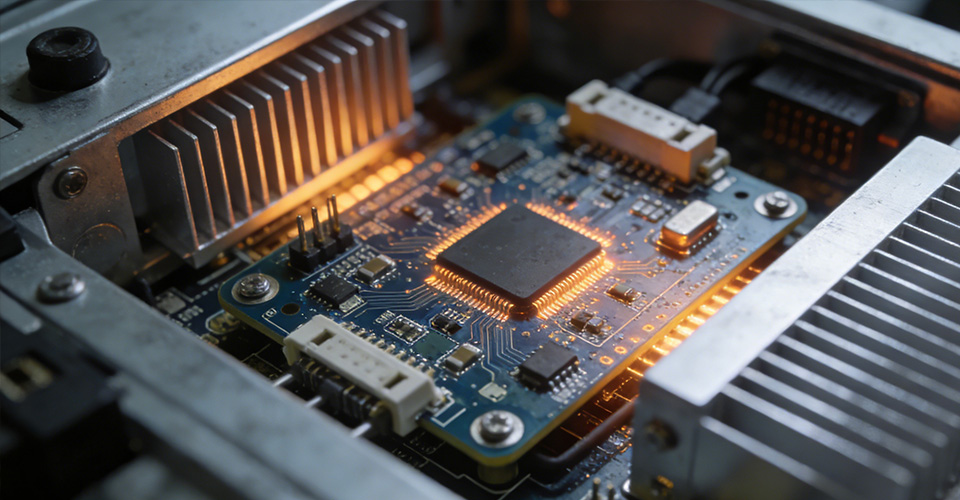
A professional custom aluminum PCB is not “copper on metal.” It’s a carefully engineered structure designed to balance:
Thermal conductivity
Electrical insulation (dielectric strength / breakdown voltage)
Reliability under thermal cycling
Manufacturability from prototype to volume production
Typical aluminum MCPCB structure:
Copper circuit layer
Thermal dielectric insulation layer
Aluminum base (substrate)
Factory tip: The dielectric layer choice (material + thickness) is often the biggest driver of real thermal performance and safety margin. Thinner dielectrics may reduce thermal resistance, while thicker dielectrics may increase isolation for higher voltage designs.
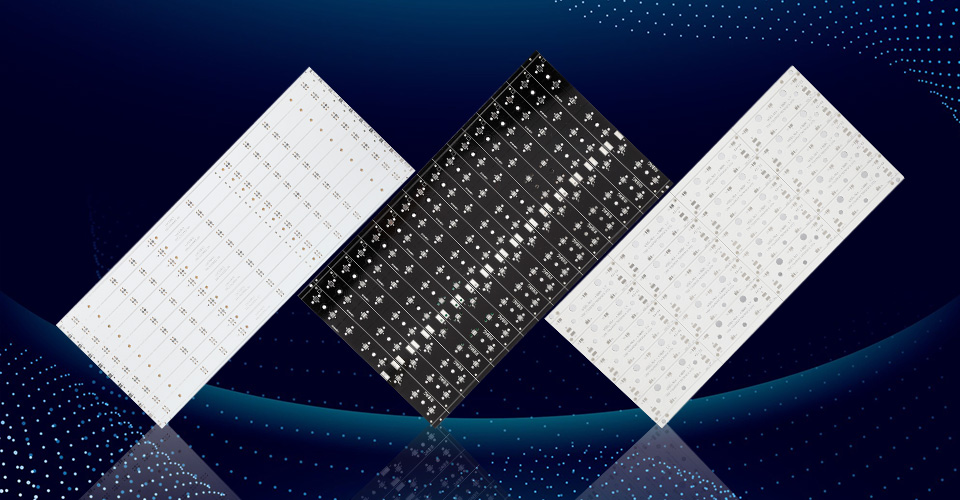
Many buyers search using different phrases—double layer aluminum pcb, Double Sided aluminum pcb, “two-layer MCPCB”—but they can imply different design approaches. Choosing correctly will improve electrical performance and reduce manufacturing risk.
One copper layer (top side)
Cost-effective, high yield in mass production
Great for many LED arrays and simple power routing
Recommended when:
Your LED Lighting aluminum pcb has straightforward routing and current requirements
You want the lowest risk and best cost efficiency
A double layer aluminum pcb is often used when you need:
Better grounding and cleaner return paths
Improved current distribution (lower voltage drop)
Better EMI performance and signal integrity
More routing room without increasing board size
This is common when a led circuits board becomes more complex (more channels, sensors, connectors, tighter layout).
A true Double Sided aluminum pcb means copper circuits on both sides. This can enable compact designs and advanced routing, but it introduces additional complexity:
Insulation strategy must be validated carefully
Vias, drilling, and interlayer connections require tighter process control
Flatness and thermal stress behavior must be considered for volume production
Factory tip: Double-sided aluminum designs can be excellent for compact modules, but they demand mature manufacturing controls. If you plan volume, ensure your supplier can support stable quality and clear DFM feedback early.
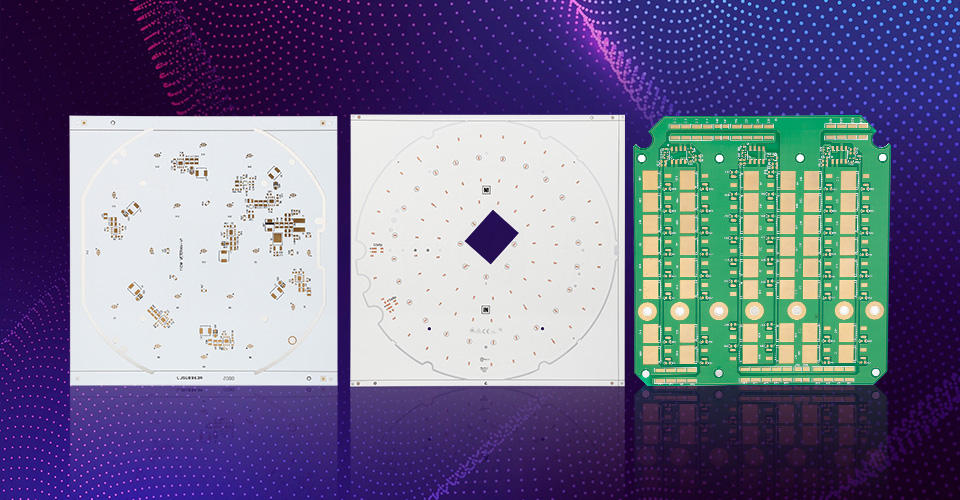
Factory customers care about predictable outcomes: stable lead time, repeatable quality, and engineering support that prevents redesign. Below are the manufacturing controls that most directly impact yield and reliability.
A supplier should support engineering review to improve thermal performance:
Copper spreading for heat distribution
Thermal pad design and solder mask opening guidance
Dielectric thickness selection suggestions
Copper balance recommendations to reduce warpage
This is especially critical for high-power LED Lighting aluminum pcb products where small thermal differences change lifetime.
Aluminum boards involve mechanical steps where burrs and poor edges can create hidden risks. Good manufacturers focus on:
Clean routing and deburring
Controlled tolerances for mounting holes and cutouts
Stable panelization strategy for volume production
Surface finish impacts solderability and reliability in mass production. Common finishes include ENIG, HASL/Lead-free HASL, and OSP. For many factory programs with fine pitch or higher reliability requirements, ENIG is often preferred.
For factory customers, “pass once” is not enough. The manufacturer should have clear QC checkpoints and traceability that supports long-term supplier stability—especially if you need turnkey support (fabrication + assembly).
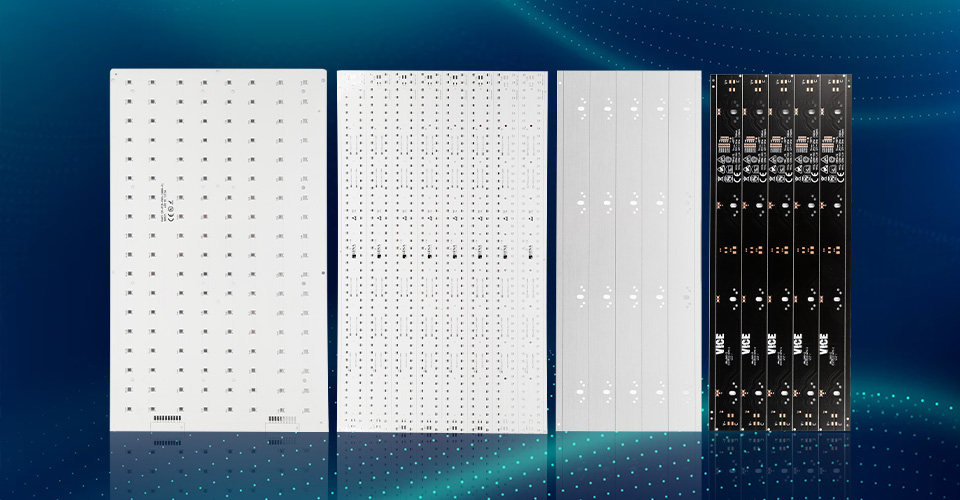
If you are producing a LED Lighting aluminum pcb, aluminum MCPCB helps stabilize:
LED junction temperature
Lumen maintenance (slower lumen decay)
Color consistency and lifetime
Thermal cycling reliability
This is why aluminum solutions are heavily used in high-lumen fixtures, automotive lighting, architectural lighting, and industrial lighting modules.
Converters, motor drivers, chargers, and power regulators benefit from improved thermal management. In these products, heat impacts efficiency and safety margin—aluminum MCPCB can reduce hot spots and improve stability.
Automotive systems and industrial environments often require strong mechanical stability and reliable thermal behavior. Aluminum base substrates fit well where vibration, heat, and long lifetime requirements overlap.
To speed up quoting and reduce engineering back-and-forth, prepare:
Gerber + drill files
Outline drawing and panelization requirements (if any)
Target stackup: single-layer / double layer aluminum pcb / Double Sided aluminum pcb
Copper weight, surface finish, solder mask requirements
Thermal targets (power dissipation, max temp, operating environment)
Quantity plan (prototype / pilot / volume) + delivery schedule
If assembly needed: BOM, pick&place, assembly drawing, test requirement
Factory tip: If your board is a led circuits board for LED modules, include LED package type, thermal pad details, and mechanical mounting plan—these greatly affect manufacturability and thermal performance.
Q1: What is an aluminum base pcb, and why is it better for high-power products?
An aluminum base pcb uses an aluminum substrate as a heat spreader with a thermally conductive dielectric layer that electrically isolates the copper circuitry. For high-power modules—especially LED Lighting aluminum pcb and power electronics—this structure helps reduce hot spots, stabilize operating temperature, and improve lifetime compared with standard FR4. For many factory programs, it’s the most practical way to improve reliability without increasing heatsink size.
Q2: When should I choose a double layer aluminum pcb instead of a single-layer aluminum PCB?
Choose a double layer aluminum pcb when your design needs better grounding, cleaner current return paths, lower voltage drop, or more routing density. This is common when a led circuits board includes multiple LED channels, sensors, connectors, or tighter EMI constraints. A second routing layer often improves layout freedom and electrical performance—especially for higher-current LED modules.
Q3: Is a Double Sided aluminum pcb the same as a double layer aluminum pcb?
Not always. A Double Sided aluminum pcb typically means copper circuits on both sides of the board, while “double layer aluminum pcb” may refer to a two-layer routing approach depending on supplier terminology. Double-sided designs can be excellent for compact high-power modules, but they require more careful insulation strategy, via design, and process control—especially for volume manufacturing and thermal cycling reliability.
Q4: What surface finish works best for LED Lighting aluminum pcb assembly?
For many LED Lighting aluminum pcb programs, ENIG is popular due to flatness and consistent solderability, which helps assembly yield on fine pitch or high-reliability builds. For cost-sensitive mass production, lead-free HASL or OSP may also be used depending on design constraints. The best finish depends on your assembly process, pad design, and reliability requirement—especially for led circuits board assemblies running long-life LED modules.
Q5: What information should I provide to quote a Double Sided aluminum pcb or double layer aluminum pcb quickly?
For fast quoting, provide Gerber + drill files, outline/panel requirement, copper weight, surface finish, and the target configuration (Double Sided aluminum pcb or double layer aluminum pcb). Also share thermal and electrical targets (power dissipation, operating temperature, voltage isolation requirements). If it’s a LED Lighting aluminum pcb or led circuits board, include LED package details and thermal pad requirements—these directly affect dielectric selection, manufacturability, and long-term reliability.

Got project ready to assembly? Contact us: info@apollopcb.com



 Whatsapp 0086 755 29438407
 Mail info@apollopcb.com
 Tel 0086 755 29438407


ABOUT US

PRODUCTS
TECHNOLOGY
KNOWLEDGE CENTRE
CULTURE
NEWS
We're not around but we still want to hear from you! Leave us a note:

Leave Message to APOLLOPCB
