




-
- PCB TYPE
- PRINTED CIRCUIT BOARD PROTOTYPE ALUMINUM PRINTED CIRCUIT BOARD R&F PCB FPC HIGH FREQUENCY PCB HIGH-TG PCB HEAVY COPPER PCB HDI PCB PCB FOR LIGHTING METAL CORE PCB


time:Dec 04. 2025, 10:00:10
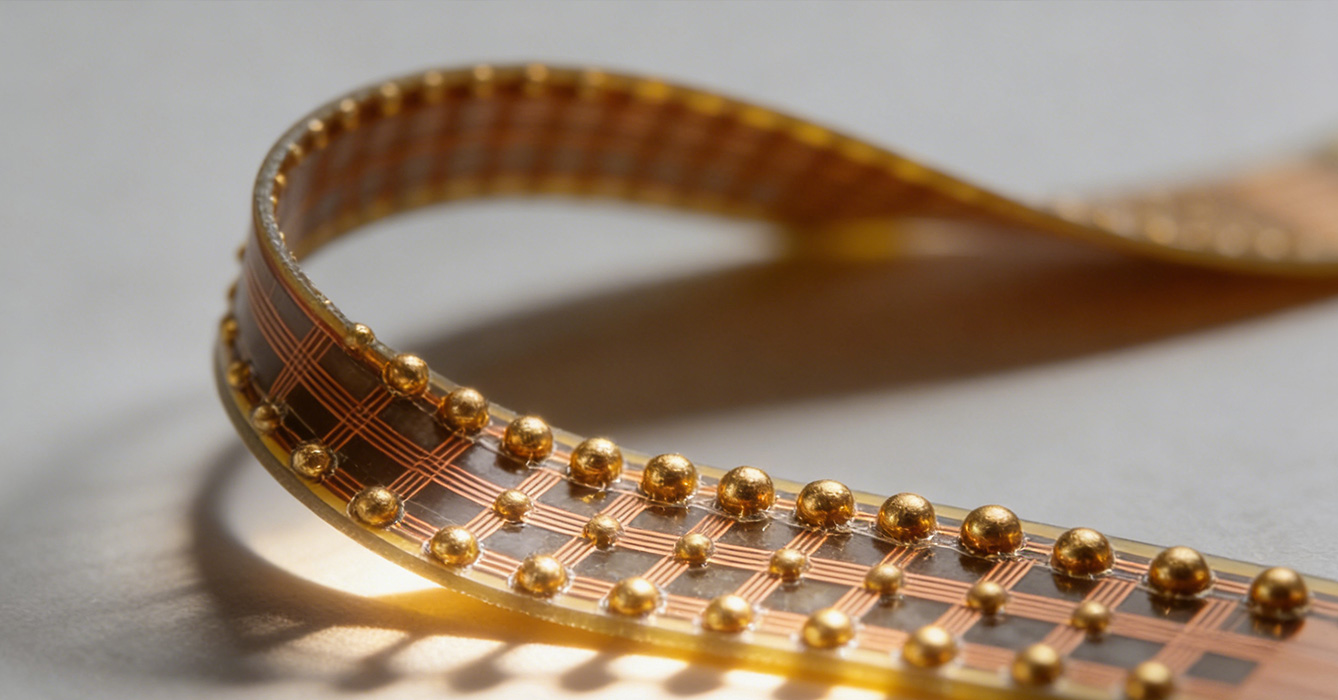
As flexible electronics evolve toward miniaturization, high integration, and dynamic operation, FPC gold ball bonding has emerged as a pivotal interconnection technology that bridges the gap between component density and operational reliability. This specialized process integrates gold ball bonding—renowned for its precision and conductivity—with flexible printed circuits (FPCs), enabling robust electrical connections between FPC substrates and ultra-small components. Unlike traditional soldering or other wire bonding methods, FPC gold ball bonding leverages gold’s inherent ductility, corrosion resistance, and low electrical resistance to thrive in applications requiring repeated bending, extreme miniaturization, or high-frequency signal transmission. For manufacturers developing next-generation flexible devices—from wearable sensors to automotive dynamic components—FPC gold ball bonding has become an indispensable technology to unlock design flexibility and performance potential.
FPC gold ball bonding stands out from conventional interconnection technologies due to its unique traits tailored to the demands of flexible electronics:
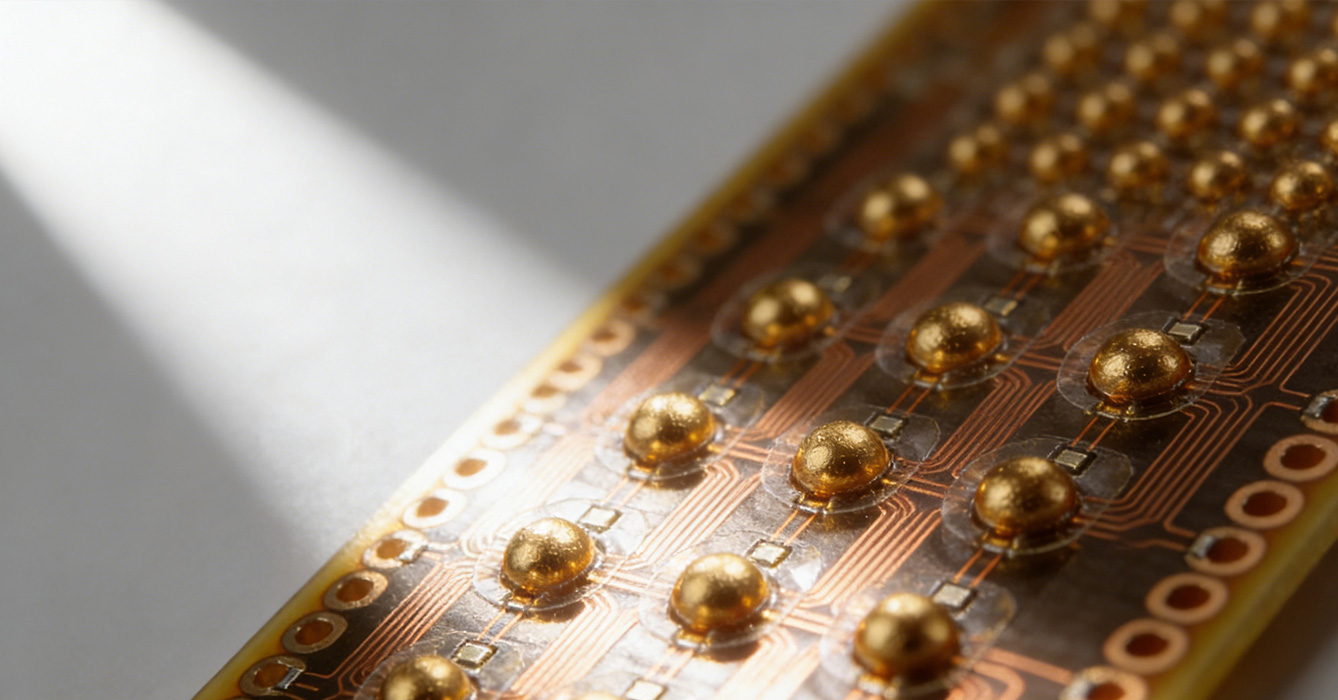
- Miniaturization & High-Density Compatibility: FPC gold ball bonding excels in connecting ultra-small components (e.g., microchips, miniaturized sensors) with fine-pitch pads on FPCs. The spherical gold bonds, with diameters as small as a few microns, enable dense interconnection without occupying excessive substrate space—critical for miniaturized devices like wireless earbuds, implantable medical sensors, and compact 5G modules. This high-density capability directly supports the trend of integrating more functions into smaller flexible form factors.
- Dynamic Mechanical Resilience: Flexible electronics often operate in dynamic environments involving repeated bending, twisting, or vibration. Gold’s superior ductility allows FPC gold ball bonds to absorb mechanical strain without cracking or losing connectivity, even after millions of flex cycles. This resilience makes it ideal for dynamic applications such as robotic joint sensors, foldable smartphone hinges, and automotive moving components where traditional bonds are prone to fatigue failure.
- Superior High-Frequency Signal Integrity: Gold is an excellent conductor with minimal signal loss, making FPC gold ball bonding well-suited for high-frequency and high-speed applications. The precision of gold ball formation ensures consistent bond geometry, which minimizes parasitic capacitance and inductance—key factors in maintaining signal stability for 5G millimeter-wave modules, high-resolution display drivers, and aerospace communication systems. This signal integrity advantage is irreplaceable in applications requiring accurate data transmission at high speeds.
- Long-Term Environmental Stability: Gold’s inherent resistance to oxidation, corrosion, and chemical degradation ensures FPC gold ball bonds maintain stable performance over time, even in harsh environments. Whether exposed to high humidity, temperature fluctuations, or bodily fluids (for medical devices), the bonds avoid premature degradation, extending the service life of end products and reducing maintenance costs.
The unique flexibility of FPC substrates poses distinct challenges for gold ball bonding, driving continuous process innovation and optimization:
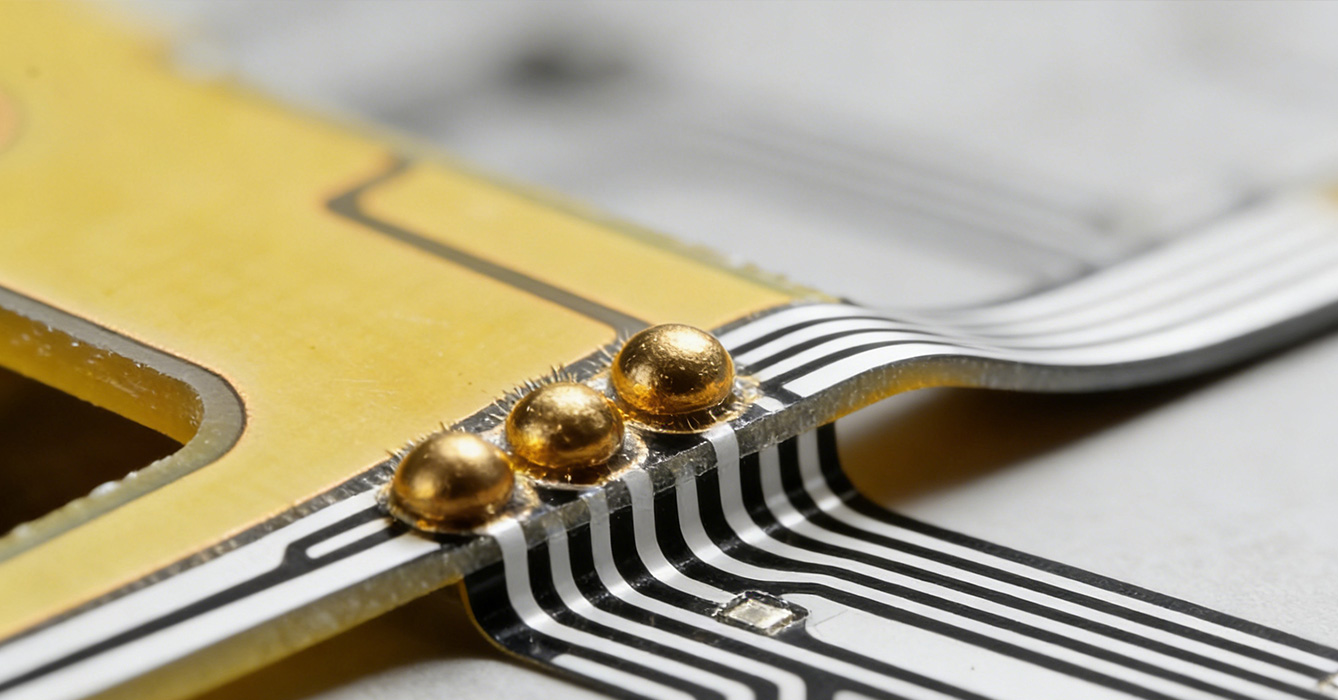
- Flexible Substrate Stabilization: Unlike rigid PCBs, FPCs are prone to deformation under bonding pressure and thermal stress. Advanced processes use vacuum adsorption fixtures and custom support structures to secure FPCs during bonding, ensuring precise alignment between component terminals and FPC pads. This stabilization prevents bond misalignment and substrate damage, critical for maintaining interconnection reliability.
- Parameter Calibration for Flexible Materials: FPC substrates (e.g., polyimide) have different thermal and mechanical properties than rigid boards. Manufacturers optimize bonding parameters—including ultrasonic energy, bonding temperature, and pressure—to match the FPC’s material characteristics. This calibration ensures strong bond formation without damaging the flexible substrate or delicate components, balancing bond strength and substrate integrity.
- Advanced Bond Inspection & Quality Control: Given the miniaturized nature of FPC gold ball bonds, traditional inspection methods are insufficient. Innovations include 3D automated optical inspection (AOI) for surface bond defects and X-ray microscopy for internal bond integrity. Real-time process monitoring systems also track bonding parameters to detect deviations, ensuring consistent quality across production batches.
- Hybrid Bonding Integration: To meet complex application demands, FPC gold ball bonding is increasingly integrated with other interconnection technologies (e.g., flip-chip bonding) in hybrid processes. This integration combines the advantages of gold ball bonding (dynamic resilience, fine-pitch capability) with the high-density of flip-chip bonding, enabling advanced flexible devices with multi-functional integration.
FPC gold ball bonding is tailored to meet the unique requirements of diverse high-tech industries, driving innovation in targeted applications:
- Consumer Electronics & Wearables: Powers ultra-compact devices such as wireless earbuds, smartwatches, and foldable smartphones. FPC gold ball bonding enables the integration of miniaturized batteries, sensors, and display modules into flexible, lightweight designs, enhancing portability and user experience. Its dynamic resilience also ensures reliable performance during daily use and repeated bending.
- Medical & Healthcare Devices: Adapts to implantable and portable medical devices (e.g., wearable ECG monitors, implantable glucose sensors). Gold’s biocompatibility and corrosion resistance make it safe for bodily contact, while the fine-pitch bonding capability supports the miniaturization of medical electronics. FPC gold ball bonding ensures long-term reliable operation in the harsh environment of the human body.
- Automotive Electronics: Enables dynamic automotive components such as ADAS (Advanced Driver Assistance Systems) sensors, EV battery management systems (BMS), and in-vehicle flexible displays. The technology’s resistance to vibration, extreme temperatures, and electromagnetic interference (EMI) ensures stable performance in automotive environments, critical for safety and functionality.
- Industrial Automation & Robotics: Supports industrial robotic joints, flexible sensors, and smart factory equipment. FPC gold ball bonding’s dynamic resilience allows it to withstand repeated mechanical stress in robotic movements, while its high-frequency signal integrity ensures accurate data transmission between sensors and control systems—key for precision industrial operations.
In conclusion, FPC gold ball bonding is a transformative interconnection technology that empowers the next generation of flexible electronics. Its unique combination of miniaturization capability, dynamic resilience, high-frequency performance, and environmental stability makes it indispensable across industries. As flexible electronics continue to push the boundaries of design and performance, FPC gold ball bonding will remain a critical enabler, helping manufacturers turn innovative concepts into reliable, high-performance products. For enterprises seeking to gain a competitive edge in flexible electronics, adopting FPC gold ball bonding is a strategic investment in technical advancement and market success.

Got project ready to assembly? Contact us: info@apollopcb.com



 Whatsapp 0086 755 29438407
 Mail info@apollopcb.com
 Tel 0086 755 29438407


ABOUT US

PRODUCTS
TECHNOLOGY
KNOWLEDGE CENTRE
CULTURE
NEWS
We're not around but we still want to hear from you! Leave us a note:

Leave Message to APOLLOPCB
