




-
- PCB TYPE
- PRINTED CIRCUIT BOARD PROTOTYPE ALUMINUM PRINTED CIRCUIT BOARD R&F PCB FPC HIGH FREQUENCY PCB HIGH-TG PCB HEAVY COPPER PCB HDI PCB PCB FOR LIGHTING METAL CORE PCB


time:Sep 24. 2025, 14:20:00
Printed Circuit Boards (PCBs) are the backbone of modern electronic devices. As technology advances, the need for more complex and efficient PCBs grows, leading to the rise of high layer count PCB fabrication. This article will delve into the intricacies of manufacturing these multi-layered marvels, exploring their benefits, challenges, and the processes involved.
High layer count PCBs are essentially multi-layered boards that can contain upwards of eight layers. These layers are meticulously stacked together and connected through a series of vias and blind holes to create a compact and efficient electronic circuit. The primary advantage of these boards is their ability to house complex circuits within a smaller footprint, making them ideal for modern electronic devices that prioritize miniaturization and functionality.
In the world of electronics, space is a premium. Devices like smartphones, laptops, and medical equipment require intricate circuitry housed in as little space as possible. High layer count PCBs are crucial for:
Miniaturization: Allowing more functionality in a smaller physical space.
Signal Integrity: Reducing signal loss and interference by shortening the distance between components.
Power Distribution: Ensuring that power is distributed evenly across components.
Thermal Management: Facilitating better heat dissipation in compact devices.
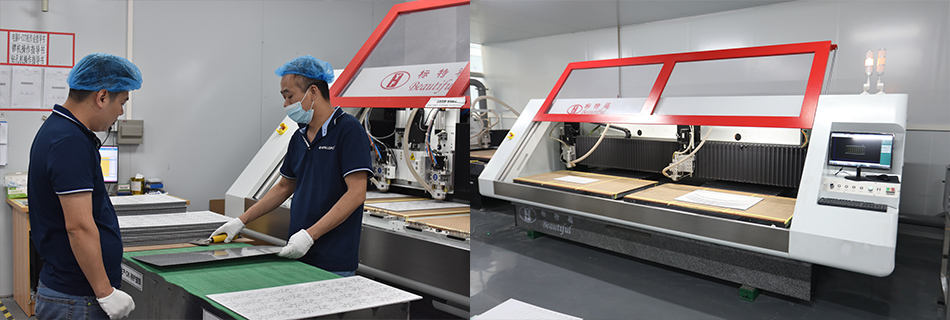
Creating high layer count PCBs is a complex process that involves several meticulous steps. Here's a breakdown of the key stages involved:
The process begins with a detailed design and layout of the PCB. This includes the arrangement of components, the routing of electrical connections, and the planning of layer stacking. Advanced software tools are used to simulate the performance and ensure that the design meets all electrical and mechanical requirements.
Once the design is finalized, the next step is to stack the individual layers. Each layer consists of a thin sheet of conductive material, usually copper, laminated onto a substrate. The layers are aligned and bonded together using heat and pressure.
Drilling is a crucial step in creating connections between the layers. Precision drilling machines create holes that will eventually be plated with copper to form vias. These vias allow electrical signals to pass between different layers of the PCB.
After drilling, the holes are plated with copper to create a conductive path. The entire surface of the board is also coated with a thin layer of copper, which will be etched away to form the circuit patterns.
In the etching process, unwanted copper is removed from the surface of the board, leaving behind the desired circuit patterns. This is achieved using chemical solutions that dissolve the excess copper.
A solder mask is applied to protect the circuit patterns and prevent solder bridges during component assembly. The mask is typically green, but other colors are also used depending on the application.
The surface finish is applied to the exposed copper areas to prevent oxidation and improve solderability. Common finishes include HASL (Hot Air Solder Leveling), ENIG (Electroless Nickel/Immersion Gold), and OSP (Organic Solderability Preservative).
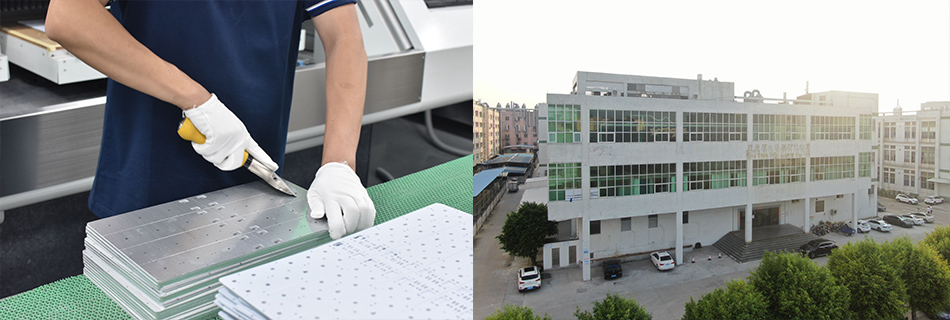
While high layer count PCBs offer numerous advantages, their fabrication presents several challenges:
Complexity: The more layers a PCB has, the more complex the design and manufacturing process becomes.
Cost: High layer count PCBs are more expensive to produce due to the materials and precision required.
Thermal Management: Managing heat dissipation in densely packed boards is a significant challenge.
Reliability: Ensuring the reliability of connections between layers is critical, as any defect can lead to failure.
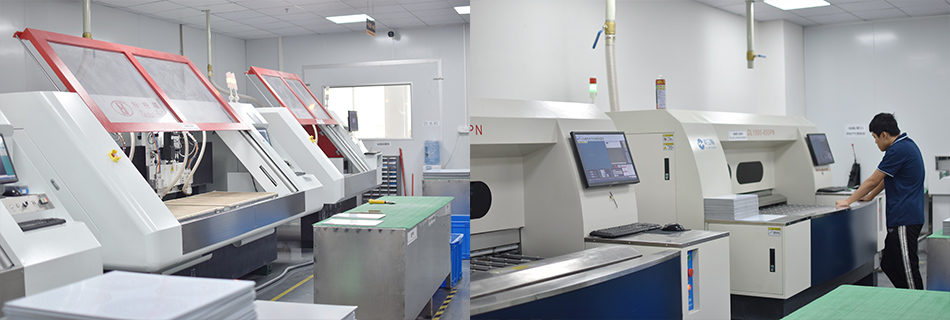
The demand for high layer count PCBs has driven innovations in manufacturing technologies. Some notable advancements include:
Advanced Materials: The development of new substrates and conductive materials that offer better performance and reliability.
Improved Drilling Techniques: Laser drilling and micro-vias allow for smaller and more precise holes, enabling higher layer counts.
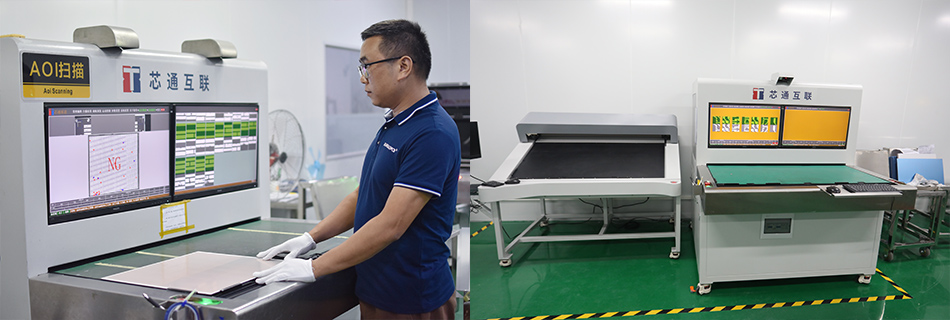
Automated Manufacturing: The use of robotics and automation in PCB fabrication improves precision and reduces human error.
High layer count PCBs are integral to the advancement of modern electronics, offering solutions for miniaturization, signal integrity, and power distribution. While their fabrication is complex and challenging, ongoing innovations continue to improve the efficiency and reliability of these intricate boards. As technology progresses, the role of high layer count PCBs will only become more prominent in the quest for smarter, more compact electronic devices.
By understanding the fabrication process and the challenges involved, manufacturers can better navigate the complexities of high layer count PCB production and continue to push the boundaries of electronic design.

Got project ready to assembly? Contact us: info@apollopcb.com



 Whatsapp 0086 755 29438407
 Mail info@apollopcb.com
 Tel 0086 755 29438407


ABOUT US

PRODUCTS
TECHNOLOGY
KNOWLEDGE CENTRE
CULTURE
NEWS
We're not around but we still want to hear from you! Leave us a note:

Leave Message to APOLLOPCB
