




-
- PCB TYPE
- PRINTED CIRCUIT BOARD PROTOTYPE ALUMINUM PRINTED CIRCUIT BOARD R&F PCB FPC HIGH FREQUENCY PCB HIGH-TG PCB HEAVY COPPER PCB HDI PCB PCB FOR LIGHTING METAL CORE PCB


time:Jul 04. 2025, 10:49:31
Outdoor lighting plays a crucial role in urban infrastructure, public safety, and aesthetics. With the increasing adoption of light - emitting diodes (LEDs) for their energy - efficiency and long lifespan, the demand for reliable printed circuit boards (PCBs) to support LED modules in outdoor environments has surged. IP65 rated outdoor LED PCBs have emerged as a preferred choice, offering a balance of protection against dust, water, and other environmental factors while ensuring optimal electrical and thermal performance for LED lighting systems.
The IP (Ingress Protection) rating system, defined by international standards, classifies the degree of protection provided by an enclosure. An IP65 rating means that the PCB is completely protected against dust ingress (the “6” rating) and can withstand low - pressure water jets from any direction (the “5” rating). This makes IP65 rated outdoor LED PCBs suitable for a wide range of outdoor applications, from streetlights and parking lot lighting to building facades and landscape illumination.
Significance of the IP65 Rating for Outdoor LED PCBs
Protection Against Dust
Dust accumulation on LED PCBs can lead to several issues, including reduced heat dissipation, electrical short - circuits, and component failure. The “6” in the IP65 rating ensures that no dust particles can enter the PCB enclosure, maintaining the integrity of the electrical components and the overall performance of the LED lighting system. In outdoor environments, especially in areas with high pollution or construction activities, this protection is vital for the long - term reliability of the lighting system.
Resistance to Water
Exposure to water, whether in the form of rain, splashes, or humidity, can cause corrosion of metal components, degradation of electrical insulation, and ultimately, system failure. The “5” rating in IP65 allows the PCB to withstand water jets, preventing water from penetrating the enclosure and damaging the internal components. This is particularly important in regions with frequent rainfall or near bodies of water, where traditional PCBs would be at high risk of water - related damage.
Extended Lifespan and Reduced Maintenance
By protecting the PCB from dust and water, the IP65 rating significantly extends the lifespan of the LED lighting system. Reduced exposure to these environmental factors minimizes the likelihood of component degradation, leading to fewer failures and lower maintenance costs over time. This makes IP65 rated outdoor LED PCBs a cost - effective solution for outdoor lighting applications, as they require less frequent replacement and servicing compared to non - rated or lower - rated PCBs.

Material Selection for IP65 Rated Outdoor LED PCBs
Substrate Materials
The choice of substrate material is critical for an IP65 rated outdoor LED PCB. Aluminum - based substrates are commonly used due to their excellent thermal conductivity, which helps dissipate the heat generated by the LEDs efficiently. The aluminum core can be of different alloys, each with its own properties. For example, alloys with enhanced corrosion resistance are preferred to withstand the outdoor environment.
In addition to aluminum, some advanced PCBs may use ceramic substrates. Ceramic materials offer high thermal conductivity, excellent electrical insulation, and superior chemical resistance, making them suitable for high - performance outdoor LED applications where reliability and durability are of utmost importance.
Dielectric Layers
Dielectric layers in IP65 rated PCBs need to provide reliable electrical insulation while also facilitating heat transfer. High - quality dielectric materials, such as polyimide or ceramic - filled epoxies, are often chosen. Polyimide dielectrics offer good thermal stability and electrical insulation properties, making them suitable for high - temperature outdoor environments. Ceramic - filled epoxies, on the other hand, can enhance the thermal conductivity of the PCB, ensuring efficient heat dissipation from the LEDs.
Copper Layers
The copper layers in the PCB are responsible for conducting electrical current to the LEDs. High - purity copper is typically used to minimize electrical resistance and ensure stable power delivery. The thickness of the copper layer is carefully selected based on the power requirements of the LED modules. Thicker copper layers can handle higher currents, reducing the risk of overheating and ensuring consistent performance of the LEDs.
Protective Coatings
To achieve the IP65 rating, PCBs are often coated with protective materials. Conformal coatings are widely used, which form a thin, protective film over the PCB surface. These coatings can be made of materials such as acrylics, polyurethanes, or silicones. Acrylic conformal coatings offer good moisture resistance and are relatively easy to apply. Polyurethane coatings provide excellent abrasion resistance and chemical protection, while silicone coatings are known for their high - temperature resistance and flexibility, making them suitable for a wide range of outdoor conditions.

Design Considerations for IP65 Rated Outdoor LED PCBs
Thermal Management Design
Efficient thermal management is crucial for outdoor LED PCBs, as LEDs are sensitive to temperature changes. The design of the PCB should include features that enhance heat dissipation, such as a large surface area for the aluminum substrate, optimized thermal via placement, and the integration of heat sinks or heat spreaders.
Thermal vias are holes that connect the surface copper layers to the aluminum core or heat sink, providing a direct path for heat to flow away from the LEDs. Their size, quantity, and distribution need to be carefully planned based on the power consumption and heat - generating characteristics of the LEDs. Heat sinks or heat spreaders can further increase the surface area available for heat transfer, improving the overall thermal performance of the PCB.
Electrical Design
The electrical design of IP65 rated outdoor LED PCBs must ensure reliable power distribution and signal transmission to the LEDs. Proper trace routing is essential to minimize electrical resistance and electromagnetic interference (EMI). In high - power LED applications, multi - layer PCB designs are often used to separate power and signal layers, providing better isolation and reducing the risk of interference.
Impedance control is also important, especially in LED lighting systems that require high - frequency operation or dimming functionality. By carefully controlling the impedance of the signal traces, designers can ensure stable signal transmission and prevent signal degradation, which could affect the performance and color quality of the LEDs.
Mechanical Design
The mechanical design of the PCB should consider the harsh outdoor environment. The choice of materials and the overall structure of the PCB need to be able to withstand mechanical stresses such as vibrations, shocks, and temperature fluctuations. Reinforcement techniques, such as adding stiffeners or using stronger substrate materials, may be employed to enhance the mechanical strength of the PCB.
The size and shape of the PCB should also be designed to fit within the lighting fixture enclosure while allowing for proper ventilation and heat dissipation. Additionally, the design should facilitate easy assembly and disassembly, which is important for maintenance and repair purposes.
Enclosure Integration
To achieve the IP65 rating, the PCB must be properly integrated into an enclosure. The design of the enclosure should ensure a tight seal around the PCB to prevent dust and water ingress. This may involve the use of gaskets, seals, and other sealing mechanisms. The enclosure should also be designed to allow for proper heat dissipation, as trapped heat can reduce the lifespan of the LEDs and other components.
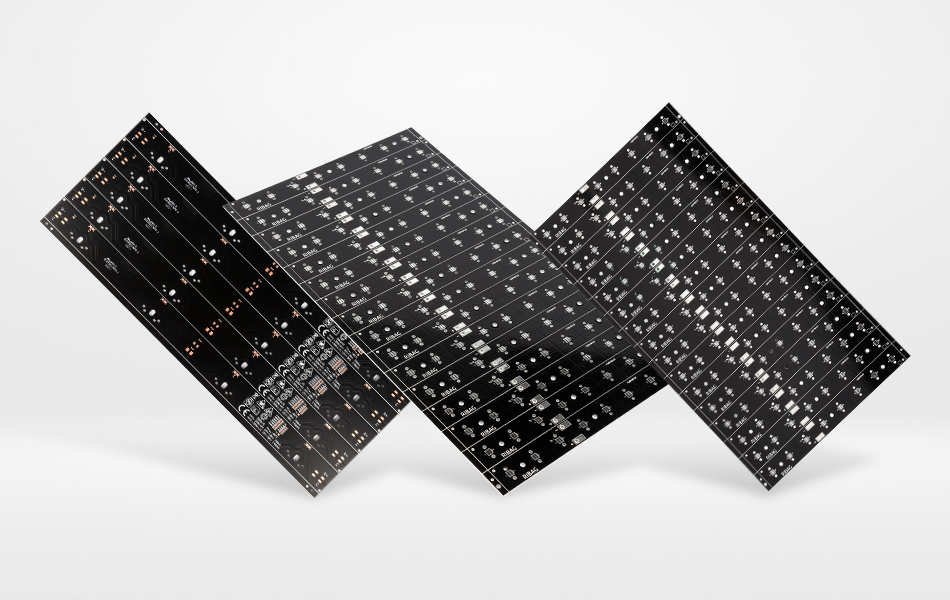
Manufacturing Processes of IP65 Rated Outdoor LED PCBs
Drilling
Similar to other PCBs, drilling is an essential step in the manufacturing of IP65 rated outdoor LED PCBs. Mechanical drilling is commonly used for creating larger holes, such as those for mounting components or through - hole vias. However, for creating smaller, more precise holes like microvias, laser drilling may be preferred. Laser drilling offers high accuracy, minimal burr formation, and the ability to drill complex shapes, which is beneficial for high - density PCB designs.
Plating
The plating process in IP65 rated PCB manufacturing deposits a layer of copper on the drilled holes and the surface of the PCB to ensure electrical conductivity. It typically consists of electroless plating followed by electrolytic plating. Electroless plating provides a thin, uniform base layer of copper on non - conductive surfaces, while electrolytic plating builds up the copper layer to the desired thickness. Advanced plating techniques, such as pulse plating, can be used to improve the quality of the copper layer, reducing voids and enhancing its mechanical properties.
Lamination
Lamination is the process of bonding the different layers of the PCB together, including the substrate, dielectric layers, and copper layers. High - pressure lamination is commonly employed, where the layers are stacked and subjected to high pressure and temperature. This ensures a strong and reliable bond between the layers, maintaining the structural integrity and electrical performance of the PCB. Specialized adhesives or prepregs are used to enhance the bonding strength and ensure uniform layer thickness.
Conformal Coating Application
Applying the conformal coating is a crucial step in achieving the IP65 rating. There are several methods for applying conformal coatings, including spraying, dipping, and brushing. Spraying is the most common method for large - scale production, as it offers uniform coverage and can be automated. Dipping is suitable for small - batch production or complex - shaped PCBs, while brushing may be used for touch - up or manual application in specific areas.
The coating process must be carefully controlled to ensure an even and consistent film thickness. After application, the conformal coating is typically cured using heat or ultraviolet (UV) light, depending on the type of coating material, to achieve its final protective properties.
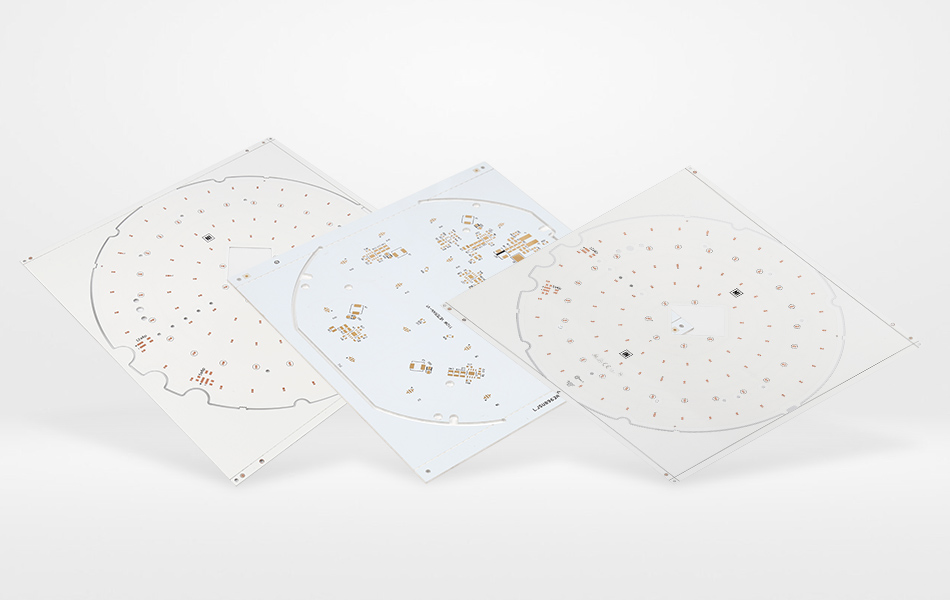
Quality Assurance for IP65 Rated Outdoor LED PCBs
Incoming Material Inspection
Before the manufacturing process begins, all incoming materials, including the substrate, copper foil, dielectric materials, and conformal coating materials, are thoroughly inspected. The substrate is checked for its flatness, thermal conductivity, and mechanical strength. Copper foil is inspected for thickness uniformity and surface quality. Dielectric materials are tested for their electrical insulation properties and thermal stability, while conformal coating materials are evaluated for their adhesion, moisture resistance, and curing characteristics.
In - Process Quality Control
During the manufacturing process, various quality control measures are implemented at different stages. After drilling, the holes are inspected for size accuracy, roundness, and the presence of burrs. In the plating process, the thickness and uniformity of the copper layer are continuously monitored. Lamination is inspected to ensure proper bonding between the layers, and the conformal coating application is checked for coverage, thickness, and the absence of defects such as bubbles or pinholes.
Final Testing
Once the PCB is fully manufactured, it undergoes a series of final tests to verify its functionality, reliability, and compliance with the IP65 rating. Electrical tests include checking for short circuits, open circuits, and impedance matching. Thermal tests are conducted to ensure that the PCB can effectively dissipate heat and maintain the LEDs within their optimal operating temperature range.
To confirm the IP65 rating, the PCB is subjected to dust ingress and water jet tests in accordance with international standards. In the dust ingress test, the PCB is placed in a chamber filled with dust particles, and after a specified period, it is inspected to ensure that no dust has entered the enclosure. For the water jet test, the PCB is exposed to water jets from different directions, and then inspected for any signs of water penetration.
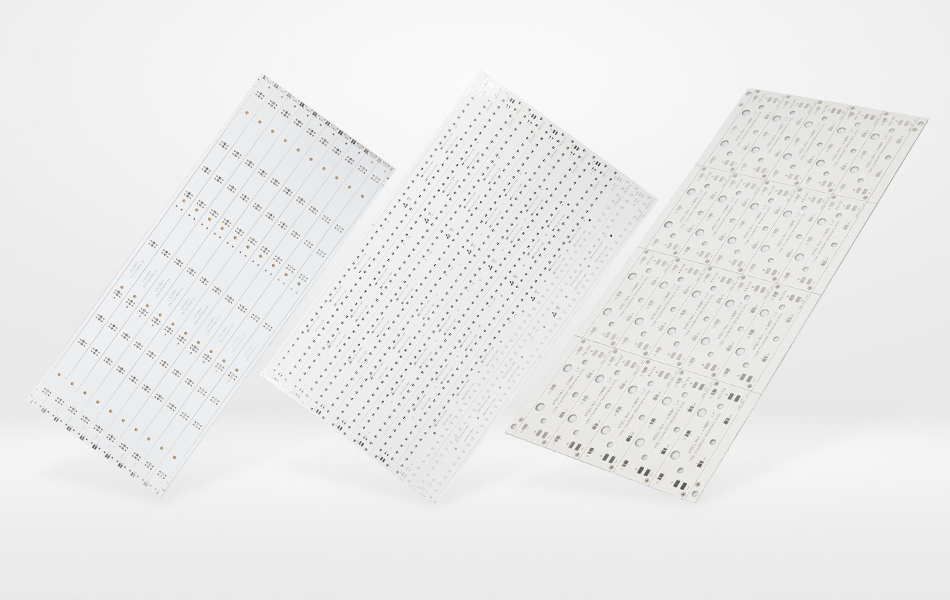
Applications of IP65 Rated Outdoor LED PCBs
Street and Roadway Lighting
IP65 rated outdoor LED PCBs are widely used in street and roadway lighting systems. These PCBs support high - power LED modules, providing bright and uniform illumination for roads, sidewalks, and intersections. The dust and water resistance of the PCBs ensure reliable operation in all weather conditions, enhancing public safety and reducing maintenance costs for local authorities.
Parking Lot and Garage Lighting
In parking lots and garages, IP65 rated PCBs are essential for powering LED lighting systems. They can withstand the harsh environment, including vehicle exhaust, dust, and occasional water spills. The long lifespan and energy - efficiency of LED lighting, combined with the reliability of IP65 rated PCBs, make them an ideal choice for these large - scale lighting applications.
Building Facade and Architectural Lighting
For illuminating building facades and creating architectural lighting effects, IP65 rated outdoor LED PCBs play a key role. They enable the installation of LED modules on the exterior of buildings, where they are exposed to the elements. The PCBs' ability to protect the LEDs from dust and water ensures that the lighting systems maintain their visual appeal and performance over time, enhancing the aesthetic value of the buildings.
Landscape and Garden Lighting
In landscape and garden lighting, IP65 rated PCBs are used to power LED fixtures placed outdoors. Whether it's path lights, spotlights, or underwater lights, these PCBs provide the necessary protection to ensure that the LED lighting systems can operate reliably in various outdoor environments. They allow for the creation of beautiful and functional outdoor lighting designs that enhance the ambiance of gardens and landscapes.
Market Analysis of IP65 Rated Outdoor LED PCBs
Market Size and Growth
The market for IP65 rated outdoor LED PCBs has been growing steadily in recent years and is expected to continue its upward trajectory. The increasing adoption of LED lighting in outdoor applications, driven by factors such as energy - efficiency regulations, cost - savings, and improved lighting quality, is the primary driver of this growth.
As more cities and municipalities around the world invest in upgrading their outdoor lighting infrastructure to LED - based systems, the demand for IP65 rated PCBs will increase. Additionally, the growth of the smart lighting market, which integrates LED lighting with IoT technology, will further fuel the demand for these specialized PCBs, as they need to support the additional functionality and reliability requirements of smart lighting systems.
Regional Analysis
The market for IP65 rated outdoor LED PCBs is geographically diverse. Asia - Pacific is currently the largest market, driven by rapid urbanization, infrastructure development, and government initiatives promoting energy - efficient lighting. Countries like China, India, and Japan are major consumers and producers of these PCBs.
In Europe and North America, the market is also growing, although at a relatively slower pace compared to Asia - Pacific. These regions have a strong focus on environmental sustainability and energy conservation, which has led to the widespread adoption of LED lighting in outdoor applications. The demand in these regions is also driven by the need to upgrade aging outdoor lighting infrastructure.
Competitive Landscape
The market for IP65 rated outdoor LED PCBs is highly competitive, with numerous manufacturers offering a variety of products. Key players in the market compete based on factors such as product quality, technological innovation, cost - effectiveness, and customer service.
Some manufacturers focus on providing high - end, specialized PCBs for niche applications, such as high - performance architectural lighting or smart city projects. Others target the mass - market, offering cost - effective solutions for general outdoor lighting applications. New entrants are also emerging, bringing in fresh technologies and business models, which is intensifying the competition in the market.
Future Trends in IP65 Rated Outdoor LED PCBs
Technological Advancements
Advancements in material science will continue to improve the performance of IP65 rated outdoor LED PCBs. The development of new substrate materials with even higher thermal conductivity and better corrosion resistance will enhance the heat dissipation and durability of the PCBs. Research into novel dielectric materials with improved electrical insulation and thermal properties will also contribute to better overall performance.
In terms of manufacturing technologies, automation and artificial intelligence (AI) will play an increasingly important role. AI - driven design tools will enable more optimized PCB designs, reducing development time and costs. Automated manufacturing processes, such as robotic conformal coating application and inspection, will increase production speed and quality while reducing human error.
Integration with Smart Lighting Systems
The future of outdoor LED lighting lies in the integration of smart technologies, and IP65 rated PCBs will need to adapt to support these advancements. PCBs will be designed to accommodate sensors, communication modules, and control units, enabling features such as remote monitoring, dimming, and energy management. This integration will not only enhance the functionality of outdoor lighting systems but also improve their energy - efficiency and cost - effectiveness.
Sustainability Initiatives
As environmental concerns grow, there will be a greater emphasis on sustainable manufacturing practices in the production of IP65 rated outdoor LED PCBs. This includes the use of recycled materials, reducing energy consumption during production, and minimizing waste generation. Manufacturers will also strive to develop more environmentally friendly conformal coating materials and processes to reduce the environmental impact of these PCBs.
Conclusion
IP65 rated outdoor LED PCBs are essential components for reliable and efficient outdoor lighting systems. Their ability to provide protection against dust and water, combined with optimal electrical and thermal performance, makes them ideal for a wide range of outdoor applications. Through careful material selection, design considerations, manufacturing processes, and quality assurance measures, these PCBs ensure the long - term reliability and performance of outdoor LED lighting installations.
The market for IP65 rated outdoor LED PCBs is growing, driven by the increasing adoption of LED lighting in outdoor applications and the emergence of new technologies. As the industry continues to evolve, technological advancements, integration with smart lighting systems, and sustainability initiatives will shape the future of these specialized PCBs. By staying informed about these trends and developments, stakeholders in the outdoor lighting industry can make strategic decisions to enhance the performance, durability, and sustainability of their lighting systems.

Got project ready to assembly? Contact us: info@apollopcb.com



 Whatsapp 0086 755 29438407
 Mail info@apollopcb.com
 Tel 0086 755 29438407


ABOUT US

PRODUCTS
TECHNOLOGY
KNOWLEDGE CENTRE
CULTURE
NEWS
We're not around but we still want to hear from you! Leave us a note:

Leave Message to APOLLOPCB
