




-
- PCB TYPE
- PRINTED CIRCUIT BOARD PROTOTYPE ALUMINUM PRINTED CIRCUIT BOARD R&F PCB FPC HIGH FREQUENCY PCB HIGH-TG PCB HEAVY COPPER PCB HDI PCB PCB FOR LIGHTING METAL CORE PCB


time:Jun 12. 2025, 15:18:31
In the dynamic landscape of modern electronics, Metal - Core Printed Circuit Boards (MCPCBs) have emerged as a cornerstone technology, especially in applications demanding high - power handling and efficient thermal management. Among the various features that contribute to the functionality and reliability of MCPCBs, tapped counterbore holes stand out as a crucial element. These holes, with their unique combination of counterbore and tapped features, play a multifaceted role in mechanical assembly, electrical connectivity, and thermal performance. This article delves deep into the world of tapped counterbore holes in MCPCBs, exploring their design principles, manufacturing processes, quality control measures, applications across industries, and the future trends shaping their development.
MCPCBs are engineered to overcome the limitations of traditional PCBs in high - performance scenarios. They typically consist of three primary layers. The metal core, commonly made from materials like aluminum or copper, serves as the foundation for efficient heat dissipation. Aluminum offers a cost - effective solution with decent mechanical strength and thermal conductivity, making it suitable for a wide range of applications, such as LED lighting. Copper, on the other hand, provides superior thermal performance, making it an ideal choice for high - end applications like power electronics in electric vehicles.
Sandwiched between the metal core and the top - most layer is the insulating dielectric layer. This layer is responsible for electrically isolating the metal core from the conductive traces on the PCB while also facilitating the transfer of heat. Composed of thermally conductive epoxy resins or similar materials, its thickness and properties are carefully optimized to strike a balance between electrical insulation and thermal conductivity.
The top - most layer is the conductive layer, usually made of copper. It features precisely etched electrical traces that form the circuitry, connecting various components on the PCB. The thickness of the copper layer varies depending on the current - carrying requirements of the circuit, with thicker layers used for high - current applications to minimize voltage drops and ensure efficient power transfer.
Advantages of MCPCBs
MCPCBs offer several significant advantages over traditional PCBs. Their superior thermal performance allows for effective heat dissipation, preventing component overheating and extending the lifespan of electronic devices. In high - power LED lighting, for example, MCPCBs can dissipate heat much more efficiently, maintaining the brightness and color consistency of the LEDs over time.
The metal core provides enhanced mechanical strength, making MCPCBs more resistant to mechanical stress, vibration, and shock. This is particularly beneficial in applications such as automotive electronics, aerospace systems, and industrial machinery, where the PCB may be subjected to harsh operating conditions. Additionally, the metal core can be utilized as a ground plane in some designs, improving electrical performance by reducing electromagnetic interference (EMI).
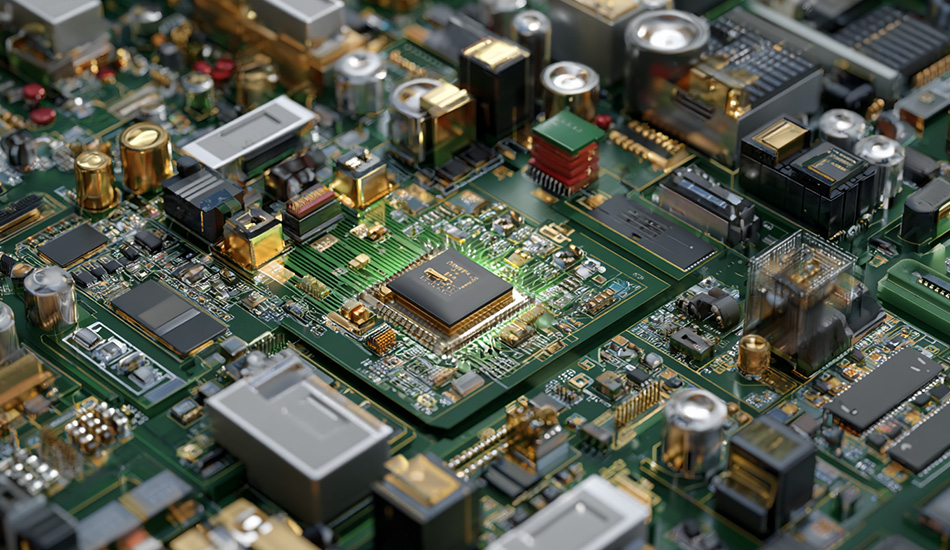
Tapped counterbore holes in MCPCBs are primarily used for mechanical assembly. The counterbore feature creates a recessed area that allows the head of a fastener, such as a flat - head screw, to sit flush with or below the surface of the PCB. This flush - mounted configuration distributes the clamping force evenly across the PCB, reducing the risk of stress concentrations that could lead to board deformation or component damage.
The tapped portion of the hole, with its internally threaded surface, eliminates the need for a separate nut on the other side of the PCB. Instead, a screw can be directly threaded into the tapped counterbore hole, providing a more compact and secure mechanical connection. This is especially useful in applications where space is limited or where a streamlined assembly process is desired. In small - form - factor electronics, for example, the use of tapped counterbore holes can significantly reduce the overall thickness of the PCB assembly.
Electrical Connectivity
In certain applications, tapped counterbore holes can also contribute to electrical connectivity. When the metal core of the MCPCB is used as a ground plane, a properly installed fastener in a tapped counterbore hole can establish a reliable electrical connection between the PCB and other grounded components or enclosures. This helps in reducing electromagnetic interference (EMI) and improving the overall electrical grounding of the circuit.
Moreover, if the tapped counterbore hole is part of a specific electrical circuit design, the threaded connection can be used to secure components that require a stable electrical connection, such as grounding straps or electrical contacts. The tight mechanical fit provided by the tapped hole ensures a consistent and reliable electrical connection, which is crucial for the proper functioning of the electronic device.
A secure mechanical connection created by tapped counterbore holes can enhance the thermal performance of MCPCBs. When the PCB is attached to a heat - dissipating structure, such as a metal heat sink, the tight fit of the fasteners in the tapped counterbore holes ensures good thermal contact between the PCB and the heat sink. This allows for efficient heat transfer from the components on the PCB to the heat sink, preventing overheating and maintaining the optimal operating temperature of the electronics.
In high - power applications, where effective thermal management is critical, the role of tapped counterbore holes in facilitating heat transfer cannot be overstated. By ensuring a stable and intimate connection between the PCB and the heat sink, these holes contribute to the overall reliability and performance of the electronic device.
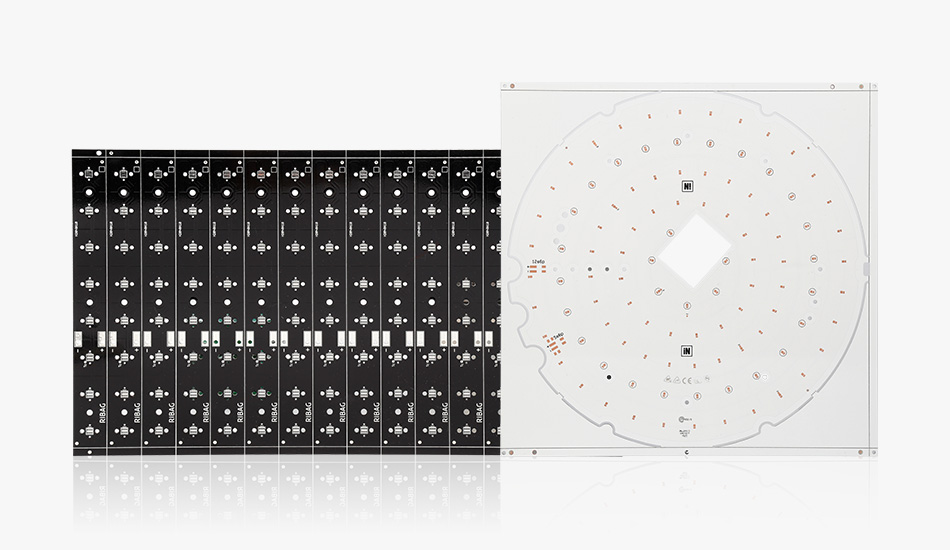
The diameter and depth of the counterbore part of the hole need to be carefully selected to match the size of the fastener head. The counterbore diameter should be slightly larger than the fastener head diameter to allow for a proper fit with a small clearance. This clearance ensures easy insertion of the fastener while still providing a snug and secure connection. The depth of the counterbore should be sufficient to fully recess the fastener head, ensuring a flush or slightly below - surface finish.
The diameter and pitch of the tapped hole are crucial parameters. The diameter of the tapped hole must be accurately matched to the thread size of the fastener to ensure a proper thread engagement. A too - small diameter may result in a tight fit that is difficult to assemble or may strip the threads, while a too - large diameter will lead to a loose connection. The pitch of the thread, which determines the distance between adjacent threads, also needs to be consistent with the fastener's thread pitch for a secure and reliable connection.
The overall depth of the tapped counterbore hole, including both the counterbore and the tapped portions, should be calculated to ensure that the fastener can be fully inserted and tightened without protruding through the other side of the PCB. It also needs to provide enough thread engagement to withstand the mechanical forces applied during operation.
The location of tapped counterbore holes on the MCPCB must be carefully planned in relation to the placement of other components and electrical traces. They should be positioned away from sensitive components and high - voltage traces to prevent damage during the assembly process. The holes should also align with the mounting points on enclosures, heat sinks, or other structures to ensure a proper mechanical connection.
Even distribution of the tapped counterbore holes across the PCB helps to maintain mechanical balance and prevent warping under clamping force. Engineers often use mechanical analysis tools, such as finite element analysis (FEA), to simulate the mechanical stresses on the PCB and optimize the location of the holes for maximum stability.
The design of the tapped counterbore hole must ensure that it does not penetrate the insulating layer and reach the metal core, as this could cause electrical short - circuits. Precise coordination between the hole depth and the thickness of the insulating layer is necessary during the design phase. In some cases, additional measures such as using a non - conductive coating on the inner walls of the hole or increasing the thickness of the insulating layer in the vicinity of the hole can be taken to enhance electrical isolation.
The copper layer around the tapped counterbore hole may require modification depending on the application. If the hole is intended for electrical connection, the copper layer can be designed to form a pad or trace that connects to the electrical circuit. For grounding purposes, the copper layer can be widened or connected to a larger ground plane. If the hole is not for electrical connection, the copper layer may need to be etched away to prevent accidental electrical contact with the fastener.
The manufacturing process typically starts with drilling the initial through - hole using high - precision CNC drilling machines. Parameters such as drilling speed, feed rate, and coolant flow are carefully controlled to ensure accurate hole placement and size. After drilling the through - hole, the counterboring operation is performed using specialized counterbore drill bits or milling cutters.
The choice of tool depends on factors such as the material properties of the MCPCB, the required precision, and the production volume. For high - precision applications, end - mills with precise cutting edges may be used to create the counterbore, ensuring a smooth and accurate surface finish.
Once the counterbore is created, the tapping process is carried out to form the internal threads in the hole. Tapping can be performed using tapping machines or CNC machining centers equipped with tapping heads. The tapping process requires careful control of parameters such as the tap speed, feed rate, and torque.
Using the wrong tap speed or feed rate can result in thread damage, such as stripping or breaking of the tap. Specialized taps with appropriate coatings may be used to improve the tapping process, especially when working with hard materials or in high - volume production.
After the drilling, counterboring, and tapping operations, the holes may require surface treatment and finishing. If the tapped counterbore hole is intended for electrical connection, plating processes such as copper, nickel, or gold plating may be applied to improve conductivity and corrosion resistance.
Deburring is an essential step to remove any burrs or rough edges from the hole, which can be done through mechanical, chemical, or electrochemical methods. Finally, the PCB is thoroughly cleaned to remove debris, plating residues, and chemicals, ensuring a clean surface for fastener installation and component assembly.
Precision tools such as calipers, micrometers, optical comparators, and 3D coordinate measuring machines (CMMs) are used to measure the diameter, depth, and overall dimensions of the tapped counterbore holes. The measurements are compared against the design specifications to ensure that the holes meet the required tolerance limits. Any deviation from the specified dimensions can affect the fit and functionality of the fasteners and the overall PCB assembly.
The quality of the internal threads in the tapped holes is crucial for a secure mechanical connection. Thread - measuring tools, such as thread gauges and thread - measuring microscopes, are used to inspect the thread pitch, diameter, and profile. The threads should be free from defects such as burrs, cracks, or uneven spacing. In some cases, destructive testing, such as thread pull - out tests, may be performed on a sample of the holes to ensure the strength and reliability of the threads.
Visual inspection under magnification is used to check for burrs, surface irregularities, and the quality of the plating (if applicable). Surface roughness testing equipment can be used to measure the roughness of the hole walls, which can affect the insertion and tightening of the fasteners. Non - destructive testing methods, such as ultrasonic testing or eddy - current testing, can also be used to detect hidden defects or material inconsistencies in the vicinity of the holes.
If the tapped counterbore holes are part of an electrical connection, electrical continuity and impedance tests are conducted to ensure proper conductivity. Mechanical tests, such as torque testing and pull - out testing, are performed to evaluate the strength of the fastener connection. These tests help to ensure that the PCB can withstand the mechanical forces applied during normal operation and assembly.
In the LED lighting industry, MCPCBs with tapped counterbore holes are widely used. High - power LED modules often require a secure and reliable connection to heat sinks to ensure efficient heat dissipation. Tapped counterbore holes allow for the use of screws to directly mount the LED module to the heat sink, providing a tight mechanical and thermal connection.
In decorative LED lighting fixtures, the flush - mounted appearance achieved by the tapped counterbore holes contributes to the aesthetic appeal of the product. The compact design enabled by the elimination of external nuts also allows for more flexible and space - saving lighting designs.
Automotive electronics, including engine control units (ECUs), lighting systems, and in - vehicle infotainment systems, rely on MCPCBs with tapped counterbore holes. These holes provide a secure mechanical connection in the harsh automotive environment, where the PCB is exposed to vibrations, shocks, and temperature variations.
The electrical connectivity provided by the tapped counterbore holes is also crucial for grounding and signal transmission in automotive electronics. Properly installed fasteners in these holes ensure reliable electrical connections, reducing the risk of electrical failures and improving the overall performance and safety of the vehicle's electronic systems.
In industrial applications, such as power electronics modules, industrial control panels, and robotic systems, MCPCBs with tapped counterbore holes are used to assemble and mount components. The high mechanical strength and reliable connection provided by these holes are essential for withstanding the harsh operating conditions in industrial environments, including high temperatures, humidity, and mechanical stress.
The electrical and thermal performance enhancements offered by tapped counterbore holes also contribute to the efficient operation of industrial electronics. In power electronics modules, for example, the secure connection between the PCB and heat sinks ensures effective heat dissipation, allowing the modules to operate at high power levels without overheating.
The aerospace and defense industries have stringent requirements for the reliability and performance of electronic components. MCPCBs with tapped counterbore holes are used in avionics systems, radar equipment, and missile guidance systems. The ability of these holes to provide a secure mechanical and electrical connection in extreme conditions, such as high - altitude pressures, rapid temperature changes, and intense vibrations, makes them indispensable in aerospace and defense applications.
The precision manufacturing and quality control of tapped counterbore holes in MCPCBs for aerospace and defense ensure that the electronic systems meet the high - reliability standards required for these critical applications.
One of the main challenges in manufacturing tapped counterbore holes in MCPCBs is achieving high precision, especially as electronics continue to miniaturize. Smaller hole sizes and tighter tolerances require more advanced manufacturing techniques and equipment. Ensuring consistent quality across a large production volume while maintaining cost - effectiveness is also a significant challenge.
Material compatibility during the manufacturing processes, such as drilling, tapping, and plating, can pose issues. Different materials used in MCPCBs, including the metal core, insulating layer, and copper layer, may react differently to the manufacturing operations, affecting the quality and performance of the tapped counterbore holes.
Advancements in manufacturing technologies, such as laser - based machining and micro - electro - mechanical systems (MEMS) - based manufacturing, are expected to improve the precision and efficiency of creating tapped counterbore holes. These technologies can enable the production of smaller and more complex holes with higher accuracy.
Integration with smart manufacturing systems using the Internet of Things (IoT) and artificial intelligence (AI) will enable real - time monitoring and optimization of the manufacturing process. IoT - enabled sensors can collect data on various manufacturing parameters, and AI algorithms can analyze this data to predict and prevent quality issues, improving the overall productivity and quality of the manufacturing process.
There will also be a growing focus on sustainable manufacturing practices for MCPCBs with tapped counterbore holes. This includes the use of recycled materials, reduction of waste generation, and implementation of energy - efficient manufacturing processes to minimize the environmental impact of PCB production.
Tapped counterbore holes in Metal - Core Printed Circuit Boards are a critical feature that significantly impacts the mechanical, electrical, and thermal performance of electronic devices. From design and manufacturing to quality control and applications across various industries, every aspect of these holes requires careful consideration. Despite the challenges they present, ongoing technological advancements offer promising solutions for the future. As the electronics industry continues to evolve, tapped counterbore holes in MCPCBs will remain essential in enabling the development of more efficient, reliable, and advanced electronic products.
[Contact ApolloPCB Today for a Free DFM Review and Precision Quote]
Related Articles:
Metal Core PCB Manufacturer for High-Power LED Applications | Apollo PCB
Metal Core PCB Manufacturer | High Thermal Management Solutions
The Ultimate Guide to Metal Core PCB: Boosting Thermal Efficiency in High-Power Electronics
Countersink Holes in Metal - Core PCBs: A Deep - Dive into Design, Manufacturing, and Applications
Tapped Counterbore in Metal - Core PCBs: A Comprehensive Technical Analysis
Metal Core PCBs Electrical Excellence in Electronics
Metal Core PCB: Revolutionizing Thermal Management and Performance in Electronics
Metal Core PCB: Transforming Thermal and Electrical Performance in Modern Electronics
Metal Core PCB Pioneering Thermal and Electrical Excellence in Electronics
Metal Core PCB: Benefits, Applications, and Why It's the Best Choice for Your Electronics
Understanding Metal Core PCB: Key Advantages and Applications in Electronics Manufacturing
Metal Core PCB: Benefits, Applications, and Key Considerations

Got project ready to assembly? Contact us: info@apollopcb.com



 Whatsapp 0086 755 29438407
 Mail info@apollopcb.com
 Tel 0086 755 29438407


ABOUT US

PRODUCTS
TECHNOLOGY
KNOWLEDGE CENTRE
CULTURE
NEWS
We're not around but we still want to hear from you! Leave us a note:

Leave Message to APOLLOPCB
