




-
- PCB TYPE
- PRINTED CIRCUIT BOARD PROTOTYPE ALUMINUM PRINTED CIRCUIT BOARD R&F PCB FPC HIGH FREQUENCY PCB HIGH-TG PCB HEAVY COPPER PCB HDI PCB PCB FOR LIGHTING METAL CORE PCB


time:Nov 05. 2025, 13:31:45
24-Hour Quick Turn PCB Assembly is a specialized service designed to deliver fully assembled PCBs in one day—addressing critical needs like emergency product repairs, rapid prototype validation, and time-sensitive market launches. Unlike standard PCB assembly (which typically takes 5–14 days), this fast-track solution prioritizes workflow efficiency without compromising compliance or performance. For industries ranging from aerospace (needing urgent avionics repairs) to startups (racing to test new IoT prototypes), 24-hour quick turn assembly is a lifeline that bridges gaps between urgent demand and production capacity. This article explores the operational frameworks that enable this speed, key quality safeguards,use cases, and how it supports agile decision-making in fast-paced electronics markets.
Achieving 24-hour PCB assembly requires a synchronized ecosystem of people, processes, and technology—eliminating delays at every stage:
- Preconfigured Rapid Production Lines: Providers maintain dedicated “quick turn” assembly lines with pre-calibrated equipment (pick-and-place machines, reflow ovens) and minimal changeover time. These lines skip non-essential steps (e.g., batch scheduling) and run 24/7 for urgent orders, ensuring continuous production from design handoff to testing.
- Strategic Component Inventory: To avoid sourcing delays, quick turn providers stock high-demand components (resistors, capacitors, common ICs) in on-site warehouses. For specialized parts, they partner with local distributors offering same-day delivery, cutting component lead times from days to hours.
- Parallel Process Execution: Instead of sequential workflows (design review → sourcing → assembly → testing), quick turn services run steps in parallel. For example, component sourcing begins as soon as the initial design is approved, and testing prep starts while assembly is still in progress—shaving hours off the total timeline.
- Cross-Trained Teams: Small, dedicated teams of engineers and technicians are trained to handle multiple tasks (e.g., DFM review, assembly, basic testing), reducing bottlenecks from handoffs between specialized roles. These teams work in shifts to maintain 24-hour coverage.
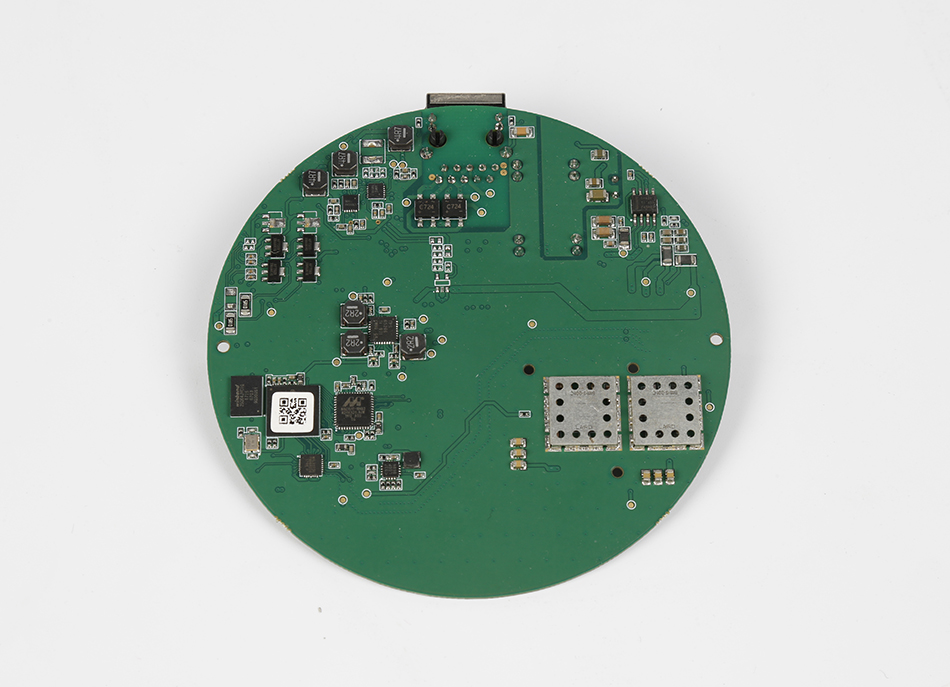
Speed never compromises quality in reputable 24-hour quick turn services—here’s how providers ensure reliability:
Testing is condensed but targeted: providers prioritize critical checks like in-circuit testing (ICT) for connectivity, automated optical inspection (AOI) for solder defects, and basic functional testing. For high-risk applications (e.g., medical devices), optional add-ons like X-ray inspection for BGA joints are available with minimal timeline impact.
Quick turn providers share clear DFM (Design for Manufacturability) checklists upfront—specifying acceptable component sizes, trace widths, and spacing. This ensures designs are production-ready from the start, avoiding time-consuming reworks. Engineers also conduct rapid DFM reviews (within 1–2 hours) to flag issues before assembly begins.
All assemblies meet industry standards like IPC-A-610 (acceptability of electronic assemblies) and RoHS (for lead-free requirements). Providers use pre-qualified materials and documented processes to ensure compliance, even under tight timelines. For industry-specific needs (e.g., ISO 13485 for medical), pre-approved workflows reduce validation time.
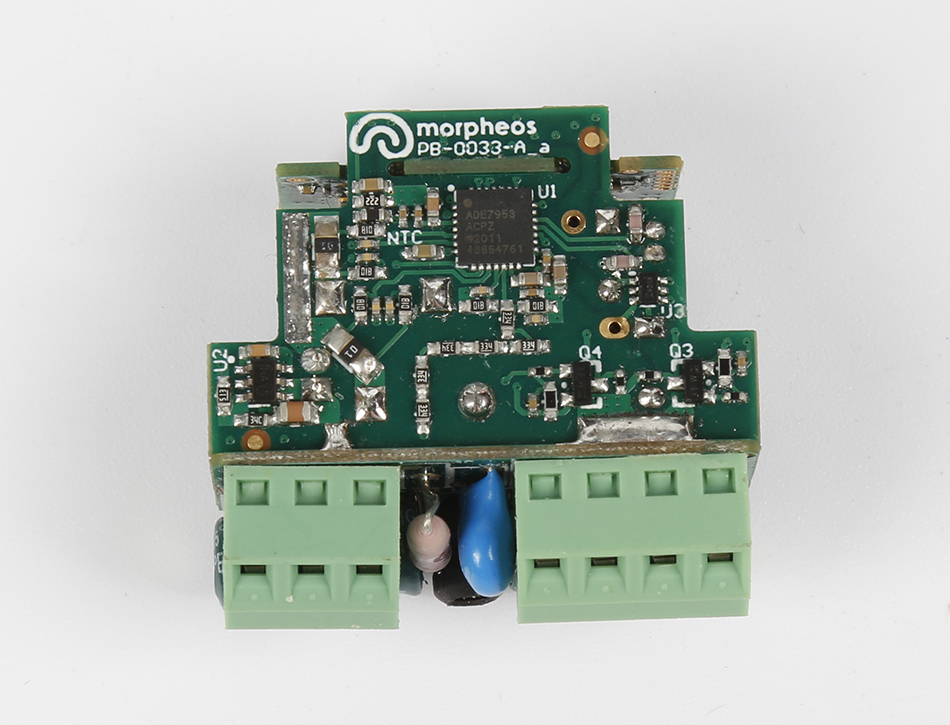
Industrial facilities (e.g., manufacturing plants, data centers) rely on quick turn assembly to replace failed PCBs in critical equipment. For example, a downtime in a semiconductor fab could cost $1M+ per hour—24-hour assembly lets operators restore equipment faster, minimizing revenue loss.
Startups and tech companies use quick turn assembly to test prototype iterations in days, not weeks. For instance, a team developing a wearable health tracker can refine sensor integration, assemble a new PCB in 24 hours, and test it the next day—speeding up time-to-market by 30–50%.
Companies with time-sensitive events (e.g., trade shows, holiday product launches) use quick turn assembly to address last-minute changes. A consumer electronics brand, for example, might need to modify a demo unit’s PCB to fix a connectivity issue 48 hours before a trade show—24-hour assembly ensures the unit is ready on time.
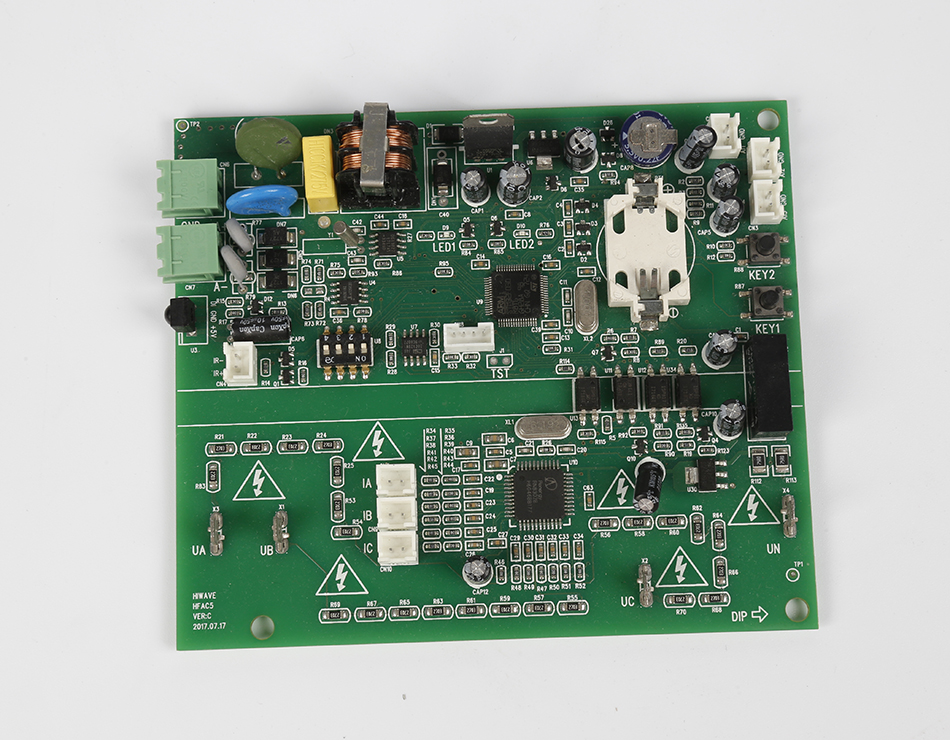
Advancements in automation and digital tools will further optimize quick turn timelines:
AI-Powered DFM Automation: Machine learning algorithms will auto-generate DFM fixes, cutting review time from hours to minutes.On-Demand 3D Printing for Custom Parts: 3D-printed fixtures and tooling will eliminate wait times for specialized assembly equipment.Regional Micro-Factories: Smaller, localized quick turn facilities will reduce shipping time, enabling same-day delivery in major tech hubs.
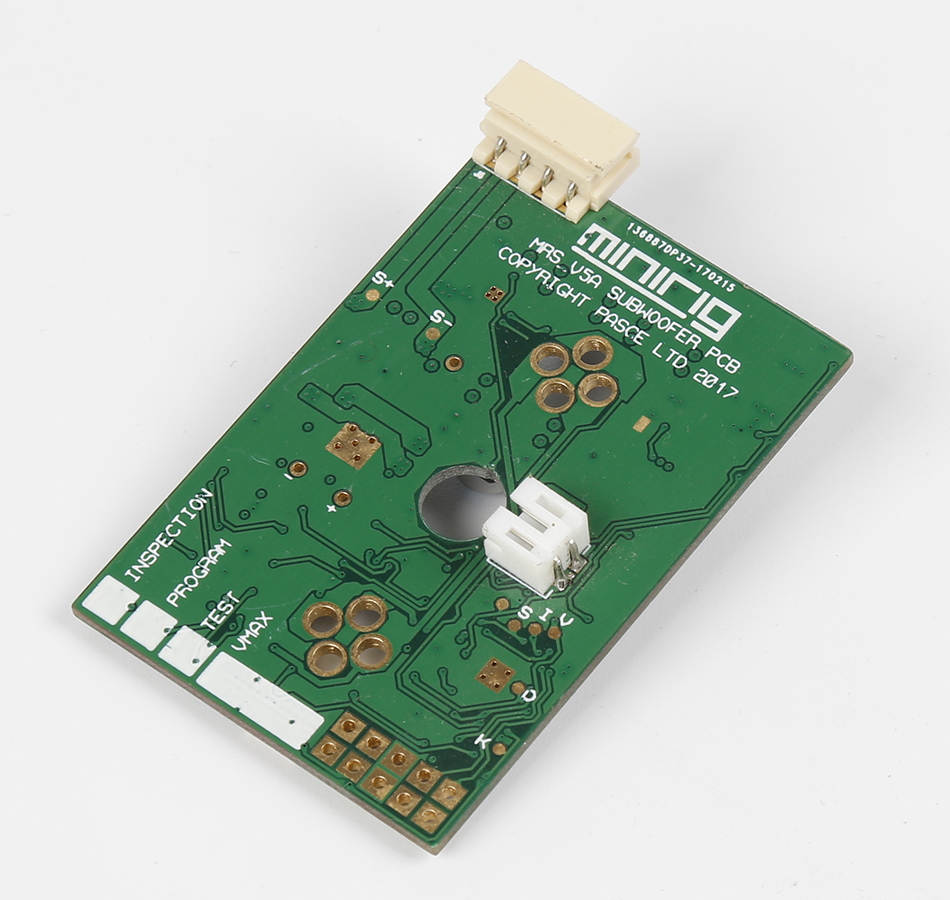
24-Hour Quick Turn PCB Assembly is more than a fast service—it’s a strategic enabler for agility in electronics manufacturing. By combining optimized workflows, strategic inventory, and uncompromised quality, it addresses urgent needs that standard assembly cannot. For businesses facing downtime, tight launch windows, or rapid prototyping demands, this service turns time pressure into a competitive advantage. As technology evolves, 24-hour quick turn assembly will only become more efficient, solidifying its role as a critical resource for modern electronics innovation.

Got project ready to assembly? Contact us: info@apollopcb.com



 Whatsapp 0086 755 29438407
 Mail info@apollopcb.com
 Tel 0086 755 29438407


ABOUT US

PRODUCTS
TECHNOLOGY
KNOWLEDGE CENTRE
CULTURE
NEWS
We're not around but we still want to hear from you! Leave us a note:

Leave Message to APOLLOPCB
