




-
- PCB TYPE
- PRINTED CIRCUIT BOARD PROTOTYPE ALUMINUM PRINTED CIRCUIT BOARD R&F PCB FPC HIGH FREQUENCY PCB HIGH-TG PCB HEAVY COPPER PCB HDI PCB PCB FOR LIGHTING METAL CORE PCB


time:Dec 04. 2025, 10:01:17
In the era of intelligent and interconnected flexible electronics, a professional FPC manufacturer is no longer a mere component producer but a comprehensive technology partner that drives innovation through integrated solutions and full-lifecycle support. Specializing in flexible printed circuits (FPCs)—the core of compact, dynamic, and high-performance electronic devices—top FPC manufacturers distinguish themselves by integrating diverse advanced technologies (such as gold bonding, blind/buried vias, and high-density assembly) and providing end-to-end services from initial design to post-production maintenance. Unlike generic manufacturers focused solely on production, these FPC manufacturers deeply understand the cross-industry technical demands, enabling them to deliver tailored solutions that balance performance, cost, and reliability. For enterprises developing cutting-edge products in 5G, automotive, and medical fields, partnering with such an FPC manufacturer is critical to translating technological concepts into market-leading products.
The competitive edge of a forward-looking FPC manufacturer lies in its ability to integrate multiple advanced technologies to solve complex application challenges:
- Multi-Process Integration: Leading FPC manufacturers seamlessly combine diverse FPC-related processes, such as high-density component assembly, precision gold ball bonding, blind/buried via fabrication, and rigid-flex integration. This integration allows them to address multi-dimensional requirements of advanced devices—for example, combining high-density routing with dynamic bending resilience for foldable smartphones, or integrating corrosion-resistant gold bonding with miniaturized blind vias for implantable medical devices. Such cross-process capabilities eliminate technical silos and ensure holistic performance optimization of FPCs.
- Material & Technology Co-Optimization: Beyond single-process mastery, FPC manufacturers focus on the synergy between materials and processes. They collaborate with material suppliers to develop application-specific substrate materials (e.g., low-loss polyimides for high-frequency 5G modules, biocompatible films for medical devices) and optimize manufacturing processes accordingly. This co-optimization ensures that FPCs not only meet basic performance requirements but also adapt to extreme operating conditions, such as high temperatures in automotive powertrains or radiation in aerospace environments.
- Digital Technology Empowerment: Advanced FPC manufacturers leverage digital technologies to enhance production efficiency and quality. They adopt digital twin technology to simulate FPC production processes, predict potential defects, and optimize process parameters; use AI-driven inspection systems (such as intelligent AOI and X-ray testing) to improve defect detection accuracy; and build digital traceability platforms to track every link from raw materials to finished products. Digital empowerment enables precise control of the entire production process and supports rapid response to customer needs.
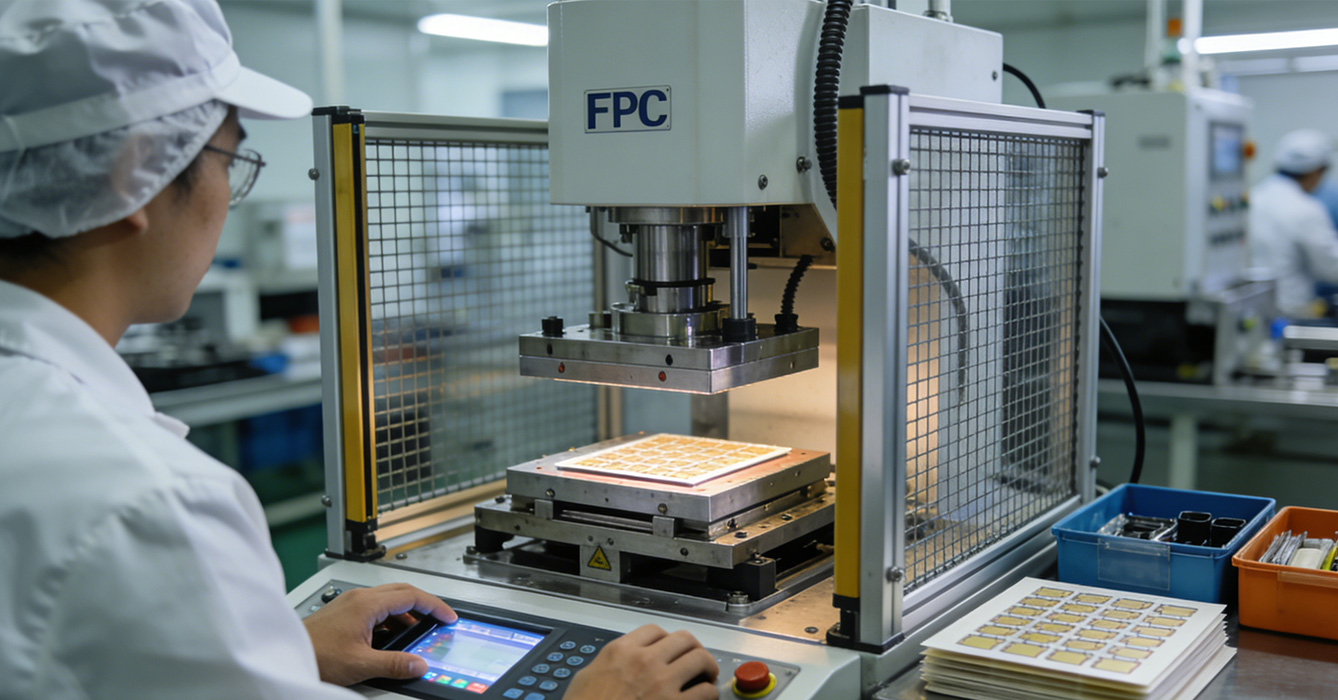
A professional FPC manufacturer provides comprehensive full-lifecycle services to support customers throughout the product development journey:
- Pre-Production Design Collaboration: In the early stages of product design, FPC manufacturers send professional engineering teams to collaborate with customers, providing design-for-manufacturability (DFM) suggestions, technical feasibility assessments, and cost optimization plans. They use advanced EDA tools to assist in optimizing FPC layouts, stackup designs, and component selection, helping customers avoid design flaws and reduce development cycles.
- Prototype & Mass Production Support: Manufacturers offer rapid prototyping services to help customers verify design concepts quickly and efficiently. Once the prototype is confirmed, they can seamlessly transition to mass production, leveraging mature production lines and strict quality control systems to ensure consistent product quality and on-time delivery. For customers with fluctuating demand, they also provide flexible production capacity adjustment services to balance supply and demand.
- Post-Production Technical Maintenance: Beyond product delivery, FPC manufacturers provide long-term technical support and maintenance services. They establish professional after-sales teams to respond to customer questions about FPC use, failure analysis, and performance optimization; provide technical upgrades for FPCs as customer products evolve; and collect feedback from the application field to continuously improve product design and manufacturing processes.
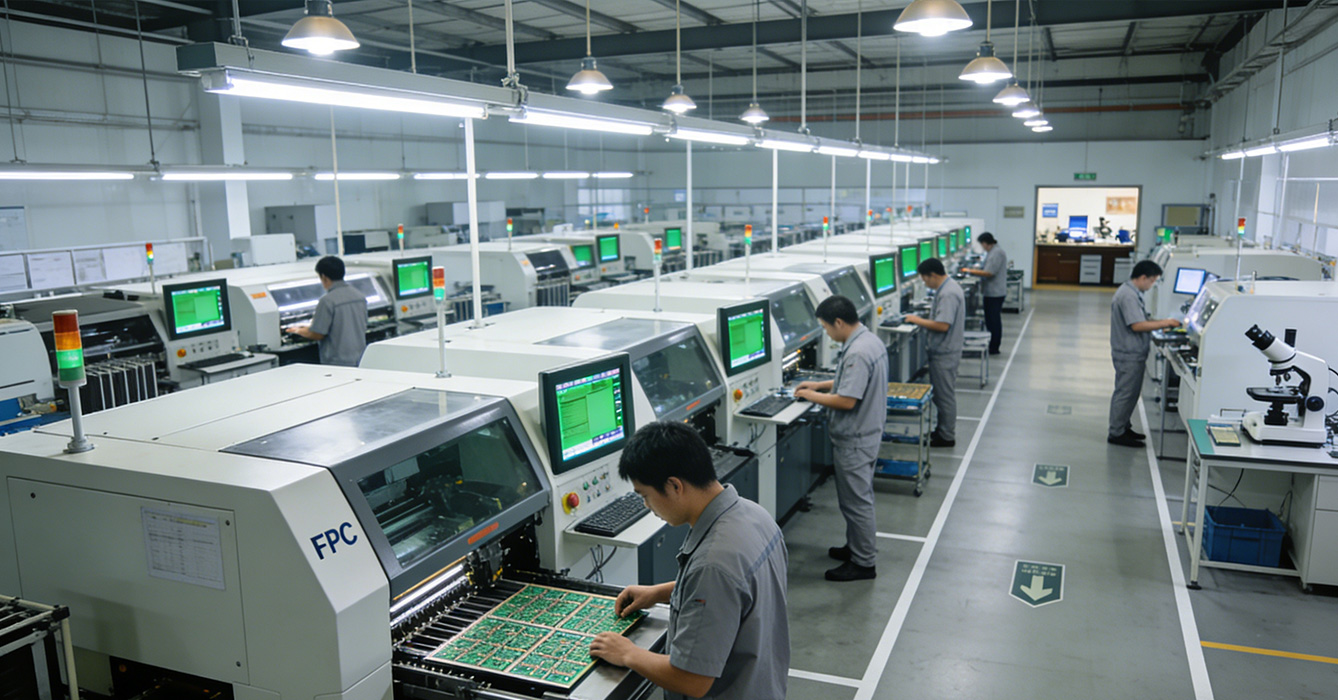
Top FPC manufacturers tailor their solutions to the unique technical requirements of different industries, demonstrating strong industry adaptation capabilities:
- 5G & Consumer Electronics: For 5G smartphones, VR/AR devices, and wireless communication modules, FPC manufacturers focus on high-frequency signal integrity and ultra-miniaturization. They integrate low-loss material technology and high-density assembly processes to ensure stable 5G signal transmission, while optimizing FPC thickness and flexibility to adapt to compact and foldable designs.
- Automotive Electronics: For automotive ADAS systems, EV battery management systems (BMS), and in-vehicle infotainment, manufacturers prioritize high-temperature resistance, vibration resistance, and EMI shielding. They adopt ruggedized materials and reinforced manufacturing processes to ensure FPCs operate reliably in extreme automotive environments, complying with strict IATF 16949 standards.
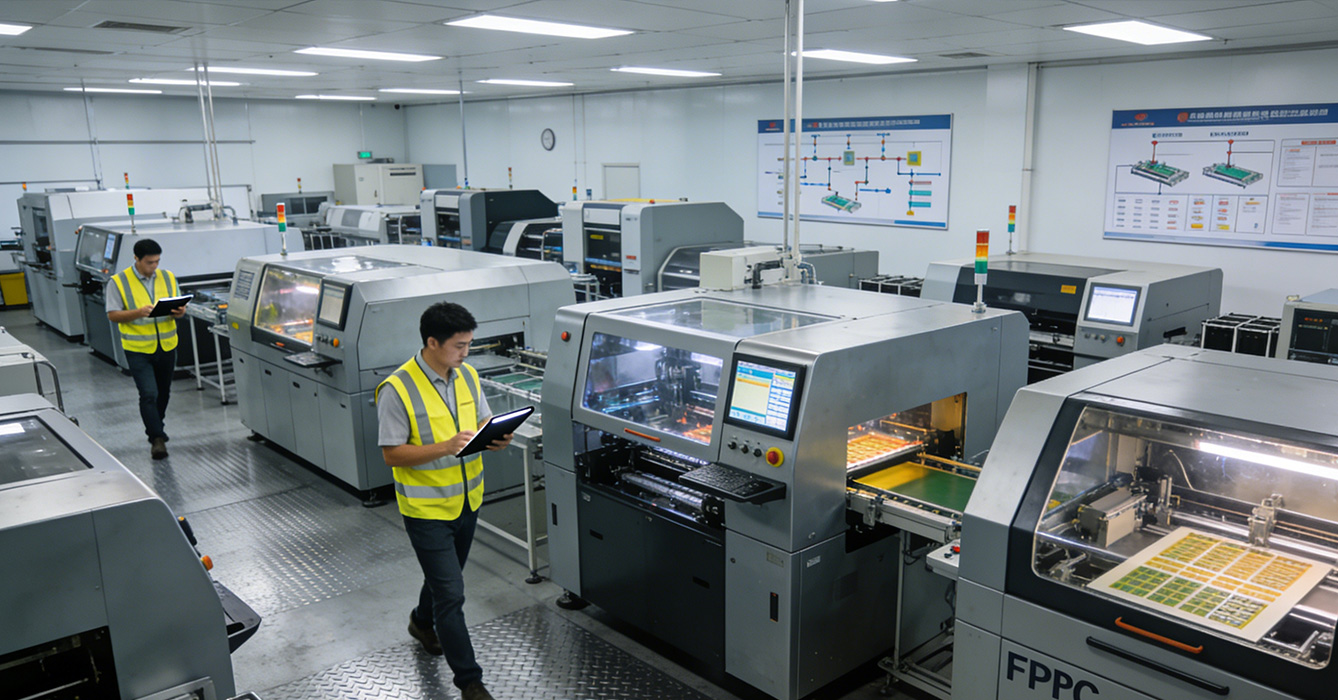
- Medical Devices: For implantable sensors, surgical robots, and portable diagnostic equipment, FPC manufacturers focus on biocompatibility and long-term reliability. They use medical-grade materials, precision gold bonding technology, and strict sterile production processes to meet ISO 13485 standards, ensuring the safety and stability of FPCs in medical applications.
In conclusion, a modern FPC manufacturer drives the development of advanced flexible electronics through its unique tech integration capabilities and full-lifecycle service system. By breaking down technical silos, providing end-to-end support, and adapting to diverse industry needs, these manufacturers become strategic partners for customers in innovation. As flexible electronics continue to penetrate more high-tech fields, the role of FPC manufacturers in integrating technologies and empowering industries will become increasingly prominent. For enterprises seeking to gain a competitive edge, partnering with a professional FPC manufacturer with strong tech integration and service capabilities is a key investment in long-term development.

Got project ready to assembly? Contact us: info@apollopcb.com



 Whatsapp 0086 755 29438407
 Mail info@apollopcb.com
 Tel 0086 755 29438407


ABOUT US

PRODUCTS
TECHNOLOGY
KNOWLEDGE CENTRE
CULTURE
NEWS
We're not around but we still want to hear from you! Leave us a note:

Leave Message to APOLLOPCB
