




-
- PCB TYPE
- PRINTED CIRCUIT BOARD PROTOTYPE ALUMINUM PRINTED CIRCUIT BOARD R&F PCB FPC HIGH FREQUENCY PCB HIGH-TG PCB HEAVY COPPER PCB HDI PCB PCB FOR LIGHTING METAL CORE PCB


time:Nov 21. 2025, 14:11:56
High Power LED Sinkpad PCB has become an indispensable component in modern lighting systems, addressing the critical challenge of heat dissipation that limits the performance and lifespan of high-power light-emitting diodes (LEDs). Unlike standard PCBs, which struggle to handle the concentrated thermal loads of LEDs (typically 30W and above), sinkpad designs integrate dedicated thermal layers that direct heat away from LED chips, preventing lumen depreciation and premature failure. As lighting applications evolve toward higher brightness, smaller form factors, and longer operational lifespans—from industrial floodlights to automotive headlights—High Power LED Sinkpad PCB balances thermal efficiency, mechanical stability, and electrical performance. This article explores the core design principles, performance advantages, manufacturing considerations, targeted applications, and emerging trends of this specialized PCB technology, highlighting its role in advancing high-power LED lighting.
The effectiveness of High Power LED Sinkpad PCB lies in designing for the unique thermal and mechanical demands of LED systems, where even minor temperature increases can degrade performance.
Direct Thermal Contact: The sinkpad’s metal core (typically aluminum, copper, or ceramic-copper hybrid) is engineered to make intimate contact with the LED’s thermal pad, eliminating air gaps that act as thermal barriers. This direct thermal path (DTP) ensures rapid heat transfer from the LED junction to the sinkpad, minimizing junction temperature rise.
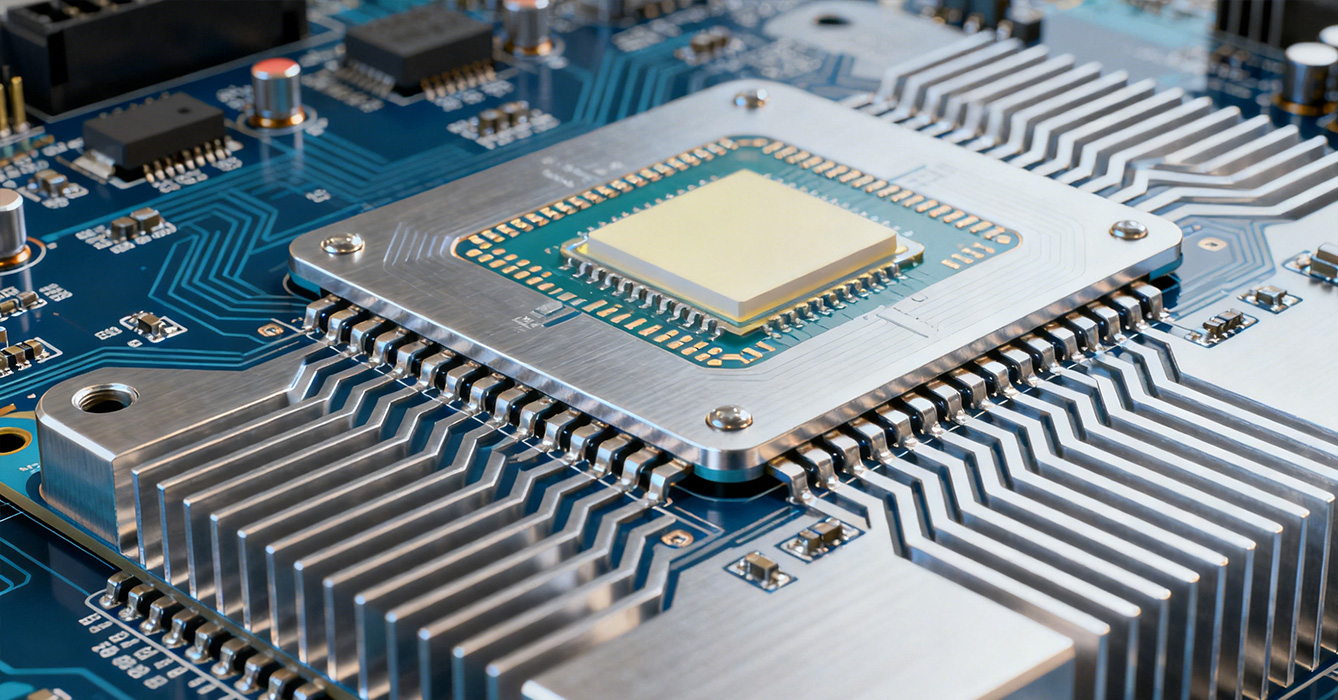
Heat Spreading Geometry: The sinkpad is shaped to maximize surface area for heat dissipation, with radial heat channels extending from the LED mounting zone. This design spreads thermal energy uniformly across the PCB, preventing hotspots that accelerate LED degradation. Thermal interface materials (TIMs) are often used to fill micro-irregularities between the LED and sinkpad, further enhancing heat transfer.
Compatibility with Cooling Systems: The sinkpad’s flat, rigid surface is optimized for integration with external cooling solutions—such as heat sinks, fans, or passive radiators—extending thermal management capabilities for ultra-high-power LEDs (100W+).
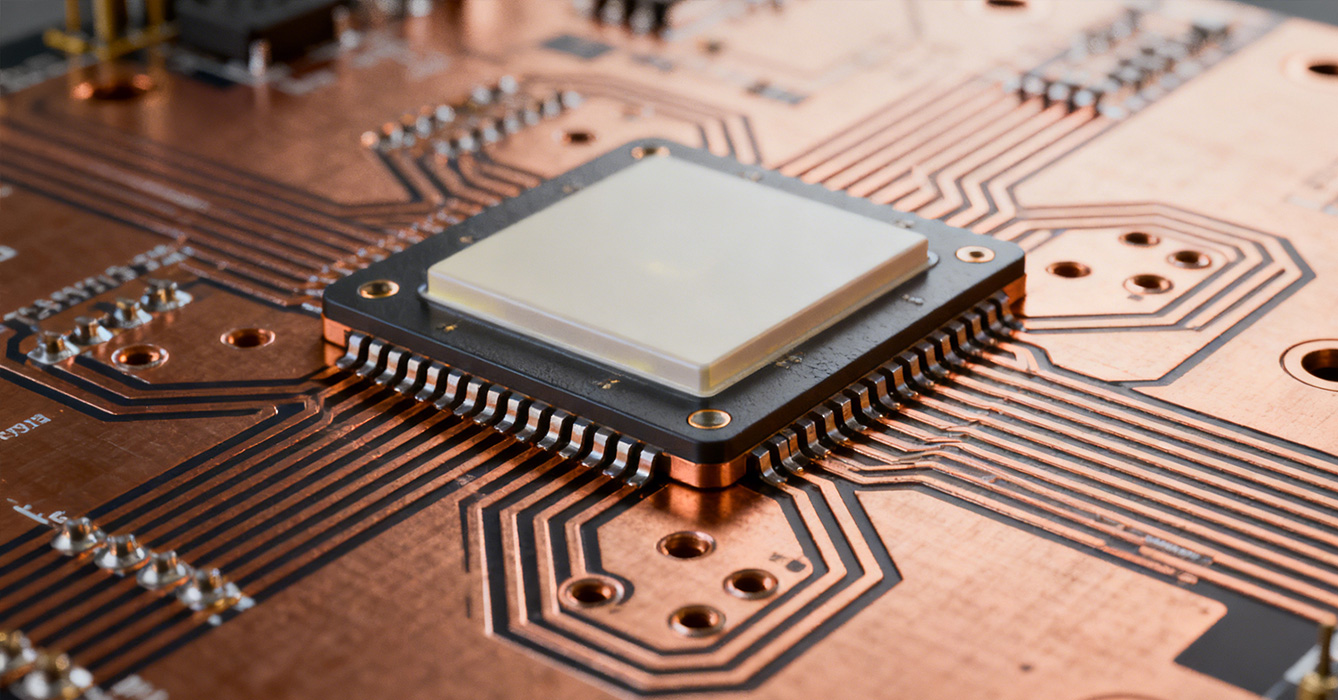
Thermal Conductivity Prioritization: Copper (401 W/(m·K)) and aluminum (237 W/(m·K)) are preferred for sinkpad cores due to their excellent thermal conductivity, with copper offering superior performance for high-power applications and aluminum providing a cost-effective alternative for mid-range systems. Ceramic-copper hybrids are used in extreme-temperature environments (e.g., automotive headlights), balancing thermal stability with dielectric strength.
Dielectric Layer Compatibility: The dielectric layer separating the sinkpad core from electrical traces is selected for high-temperature resistance (glass transition temperature ≥170°C) to withstand prolonged exposure to LED-generated heat. Low-loss dielectrics also minimize electrical interference, ensuring stable LED driver performance.
Corrosion and UV Resistance: For outdoor lighting applications, sinkpad materials and surface finishes (e.g., anodization, ENEPIG plating) are chosen to resist moisture, UV radiation, and environmental contaminants, preserving thermal and mechanical integrity over decades.
Structural Stability: The sinkpad core provides mechanical support for heavy LED modules, resisting vibration and thermal cycling-induced warpage—critical for automotive and industrial applications. Rounded edges and stress-relief features prevent cracking at the sinkpad-PCB interface.
Electrical Isolation: The sinkpad is electrically isolated from LED driver circuits via the dielectric layer, preventing short circuits while maintaining thermal continuity. Precise trace routing ensures low-impedance power delivery to the LED, minimizing voltage drop and power loss.
High Power LED Sinkpad PCB delivers three distinct benefits that directly address LED lighting’s core challenges:
By reducing junction temperature (typically by 20-30°C compared to standard PCBs), sinkpad designs slow lumen depreciation and extend LED lifespan by 2-3x. For example, a 50W LED operating at 120°C junction temperature may last 25,000 hours, while the same LED with a sinkpad PCB can reach 75,000 hours by maintaining a 90°C junction temperature.
Thermal management prevents color shift (Δu'v' ≤0.005) and lumen loss (≤5% after 10,000 hours), ensuring consistent lighting performance for critical applications like retail displays, medical lighting, and automotive headlights. This stability is enforced by the sinkpad’s uniform heat spreading, which eliminates temperature variations across LED arrays.
Sinkpad PCBs eliminate the need for bulky external heat sinks in many applications, enabling sleeker, more compact lighting fixtures. Flexible sinkpad variants (using polyimide substrates) conform to curved surfaces, expanding design possibilities for automotive lighting, architectural fixtures, and wearable LED devices.
Producing High Power LED Sinkpad PCB requires specialized processes to ensure thermal, mechanical, and electrical performance:
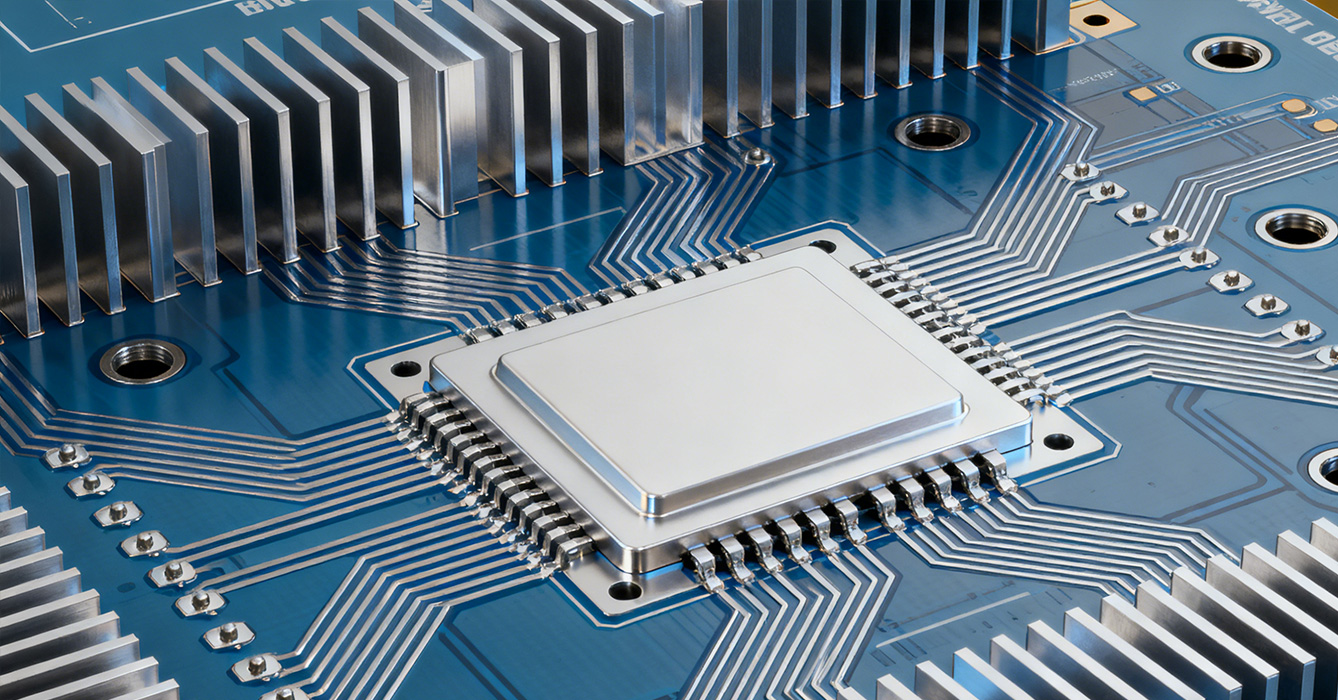
Sinkpad Profiling: Laser or CNC machining creates the flat-bottomed recess for LED mounting, with tight tolerances to ensure maximum contact area. Surface finish (Ra ≤1.6μm) is critical to minimize thermal resistance at the LED-sinkpad interface.
Thermal Via Drilling: Micro-via arrays (where applicable) are drilled around the sinkpad to enhance heat transfer to inner layers or external cooling systems. Precision drilling ensures via alignment and prevents damage to the sinkpad core.
Low-Temperature Lamination: Controlled temperature ramps (2°C/min) bond the sinkpad core to dielectric and copper layers, avoiding thermal degradation of LED-compatible materials. Vacuum lamination ensures void-free bonding, critical for thermal continuity.
Adhesive Selection: Thermally conductive adhesives (thermal conductivity ≥1.5 W/(m·K)) are used to bond the sinkpad to the PCB, balancing thermal performance with mechanical strength.
Thermal Performance Testing: Infrared thermography maps temperature distribution under operating conditions, verifying uniform heat spreading. Thermal resistance testing ensures compliance with LED manufacturer requirements.
Mechanical and Electrical Inspection: Pull tests validate sinkpad bonding strength, while electrical testing confirms isolation between the sinkpad core and signal traces. Environmental testing (temperature cycling, humidity exposure) ensures reliability in target applications.
High-Bay Lights: 100W+ LED high-bay fixtures use copper-core sinkpad PCBs to dissipate heat in large industrial spaces, providing 50,000+ hours of operation with minimal maintenance.
Retail and Office Lighting: Sinkpad PCBs enable slim, energy-efficient panel lights and track lights, maintaining consistent brightness and color rendering for retail displays and workspaces.
Headlights and Fog Lights: Aluminum-core sinkpad PCBs withstand under-hood temperatures (-40°C to 125°C) and vibration, powering high-power LED headlights with superior visibility and lifespan. Flexible sinkpad variants conform to curved headlight designs.
Interior Lighting: Compact sinkpad PCBs enable bright, low-profile LED interior lighting (e.g., ambient lighting, instrument clusters) while minimizing power consumption.
Street Lights and Floodlights: Corrosion-resistant sinkpad PCBs with UV-stable finishes power 50-200W LED street lights and floodlights, enduring extreme weather conditions and delivering 100,000+ hours of service.
Medical and Stage Lighting: Precision thermal management ensures consistent color temperature (±100K) for surgical lights and stage lighting, where color accuracy is critical.
Graphene-Enhanced Cores: Graphene additives boost sinkpad thermal conductivity by 20-30%, enabling smaller, more efficient designs for ultra-compact LED fixtures.
Ceramic-Metal Hybrids: Aluminum nitride (AlN) ceramic-copper hybrids offer thermal conductivity >200 W/(m·K) and excellent dielectric strength, targeting high-voltage LED systems.
Embedded Sensors: Miniature temperature sensors integrated into the sinkpad enable real-time thermal monitoring, supporting adaptive cooling (e.g., variable-speed fans) for optimal efficiency and lifespan.
Recycled Materials: Recycled copper and aluminum sinkpad cores reduce environmental impact, while eco-friendly adhesives and finishes align with global sustainability standards.
High Power LED Sinkpad PCB is a critical enabler of next-generation LED lighting, resolving the thermal challenges that limit brightness, lifespan, and design flexibility. By prioritizing thermal path optimization, LED-specific material selection, and precision manufacturing, this technology delivers consistent performance across industrial, automotive, and outdoor applications. As LED lighting continues to evolve toward higher power densities and more compact form factors, High Power LED Sinkpad PCB will remain essential—driving innovations in efficiency, reliability, and sustainability. For lighting designers and manufacturers, understanding the nuances of sinkpad design and implementation is key to unlocking the full potential of high-power LED technology.

Got project ready to assembly? Contact us: info@apollopcb.com



 Whatsapp 0086 755 29438407
 Mail info@apollopcb.com
 Tel 0086 755 29438407


ABOUT US

PRODUCTS
TECHNOLOGY
KNOWLEDGE CENTRE
CULTURE
NEWS
We're not around but we still want to hear from you! Leave us a note:

Leave Message to APOLLOPCB
