




-
- PCB TYPE
- PRINTED CIRCUIT BOARD PROTOTYPE ALUMINUM PRINTED CIRCUIT BOARD R&F PCB FPC HIGH FREQUENCY PCB HIGH-TG PCB HEAVY COPPER PCB HDI PCB PCB FOR LIGHTING METAL CORE PCB


time:Sep 01. 2025, 14:37:49
LED light CEM3 represents a synergistic integration of CEM3 substrate technology with LED lighting systems, offering a balanced solution for modern illumination needs. Unlike generic substrates that prioritize either cost or performance, LED light CEM3 is engineered to address the unique demands of LED-based lighting—sustained thermal management, consistent light output, and resilience across diverse environments—while remaining cost-effective for mass deployment. This makes it a cornerstone in applications ranging from residential downlights and commercial panel lights to industrial floodlights and outdoor street lamps.
LED lighting systems rely on stable substrates to maintain performance over their 50,000+ hour lifespan. Traditional materials often fall short: basic CEM1 boards struggle with heat buildup in high-power LEDs, while metal-core PCBs (MCPCBs) add unnecessary cost for mid-tier applications. LED light CEM3 resolves this by combining enhanced thermal conductivity, dielectric stability, and mechanical robustness in a single substrate, enabling lighting manufacturers to deliver efficient, long-lasting products without overengineering.
This article explores the foundational role of CEM3 in LED lighting systems, its tailored adaptations for distinct illumination scenarios, design strategies to maximize efficiency, and its alignment with emerging trends like smart lighting and sustainability. It provides actionable insights for lighting engineers, product developers, and manufacturers seeking to optimize performance, cost, and reliability in LED-based solutions.
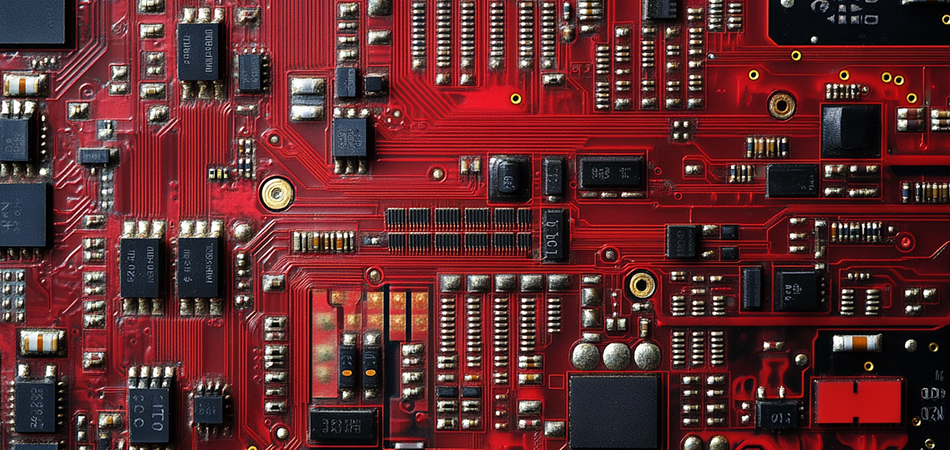
LED light CEM3’s efficacy stems from three core advantages that directly address the operational challenges of LED lighting—ensuring thermal stability, uniform light output, and durability across use cases. These attributes are not incidental but result from deliberate engineering to match the demands of LED technology.
LEDs convert only 20–30% of energy into light; the rest is released as heat. This heat, if unmanaged, accelerates lumen depreciation (reduced light output) and shortens LED lifespan. LED light CEM3 mitigates this through:
Enhanced Heat Spreading: The CEM3 substrate’s epoxy matrix, infused with thermally conductive ceramic fillers (e.g., boron nitride), creates pathways for in-plane heat distribution. This spreads heat away from LED junctions, reducing hot spot temperatures by 10–15°C compared to standard CEM1. For example, a 20W commercial downlight using LED light CEM3 maintained LED junction temperatures at 60°C, extending projected lifespan by 40% versus a CEM1-based equivalent.
Stable Thermal Resistance: Unlike substrates that degrade at high temperatures, LED light CEM3 retains consistent thermal resistance (±5% variation) across its operating range (-40°C to 105°C). This stability ensures reliable performance in fixtures operating 24/7, such as warehouse lighting, where temperature fluctuations are common.
Compatibility with Cooling Solutions: The flat, uniform surface of LED light CEM3 enables seamless integration with heat sinks, thermal pads, or convection-based cooling systems. A 100W industrial floodlight paired with a CEM3 board and aluminum heat sink achieved a 25°C temperature reduction, meeting the 70°C maximum junction temperature for high-power LEDs.
Uniform light output—both in brightness and color—is critical for user satisfaction in lighting applications. LED light CEM3 ensures this through precise electrical performance:
Low-Impedance Current Distribution: Optimized copper trace designs on CEM3 minimize resistance variation across the board, ensuring each LED in an array receives consistent current. This reduces brightness mismatch in multi-LED fixtures (e.g., panel lights) from 15% (with CEM1) to <5%, eliminating visible "hot zones" or dim spots.
Dielectric Stability for Dimming Compatibility: LED light CEM3’s tightly controlled dielectric constant (Dk) and low loss (Df) prevent signal distortion in dimmable systems. This ensures flicker-free operation across dimming ranges (10–100%), a common issue with generic substrates that cause PWM (Pulse Width Modulation) signal interference.
Moisture-Resistant Insulation: Epoxy formulations in LED light CEM3 resist moisture absorption (<1.2% after 24 hours in water), preserving insulation resistance (>10¹³ Ω·cm) in humid environments (e.g., bathroom vanity lights, outdoor garden fixtures). This prevents leakage currents that cause color shift or LED failure.
LED lighting fixtures operate in diverse conditions—from dry indoor spaces to rain-exposed outdoor poles—demanding robust substrates. LED light CEM3 delivers through:
Vibration and Impact Resistance: The woven glass fiber reinforcement in CEM3 provides flexural strength (>450 MPa), enabling survival in high-vibration environments (e.g., factory lighting mounted on machinery) or portable fixtures (e.g., work lights). Testing shows LED light CEM3 boards withstand 1,000 1m drop tests with no trace damage, outperforming brittle alternatives like FR4 in rugged applications.
UV and Chemical Resistance: For outdoor use (street lamps, parking lot lights), LED light CEM3 incorporates UV stabilizers to prevent resin yellowing and material degradation from sunlight. It also resists common industrial chemicals (e.g., cleaning agents in food processing facilities), ensuring longevity in harsh settings.
Dimensional Stability: Low coefficient of thermal expansion (CTE) in the X-Y axis minimizes warping during temperature cycles, critical for fixtures with optical components (e.g., track lights, spotlights) where alignment affects beam accuracy. A street lamp using LED light CEM3 maintained beam focus within ±2° after 5,000 thermal cycles (-30°C to 70°C).
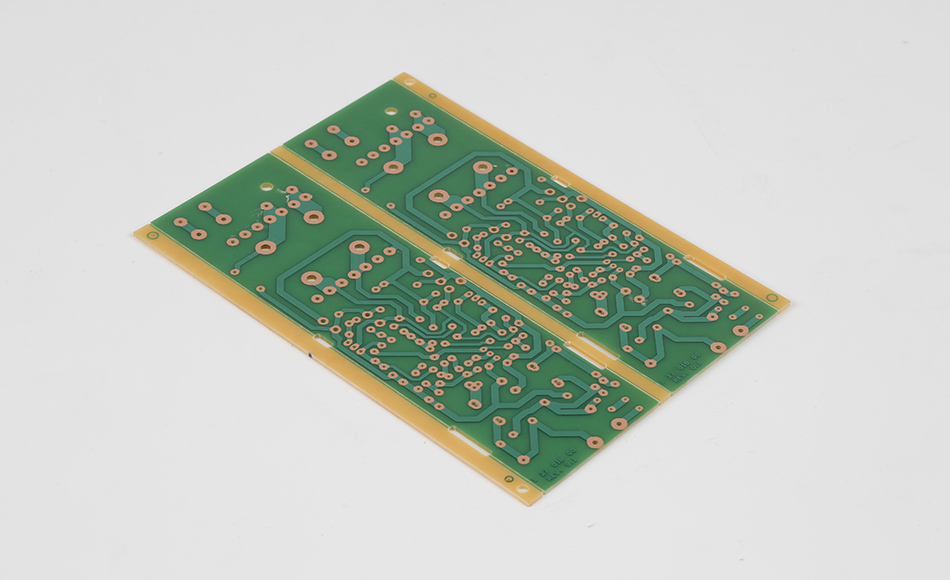
LED light CEM3 adapts to distinct lighting categories, each with unique requirements—from compact residential fixtures to large-scale outdoor installations. Its versatility lies in balancing performance and cost to match specific use case demands.
Indoor lighting (bulbs, downlights, panel lights) prioritizes compact design, dimming capability, and affordability. LED light CEM3 meets these needs by:
Space-Efficient Designs: Thin-core CEM3 (0.6–1.0mm) enables miniaturized fixtures, such as A19 bulbs or recessed downlights, without sacrificing thermal performance. A 15W smart bulb using LED light CEM3 fits standard sockets while integrating 18 LEDs and a Wi-Fi module in a 35mm diameter form factor.
Integrated Control Circuits: CEM3’s dielectric stability supports embedding dimming circuits (e.g., TRIAC, 0–10V) directly on the board, eliminating the need for separate control modules. A commercial panel light with integrated dimming on CEM3 reduced component count by 25% and assembly time by 30%.
Cost-Effective Mass Production: Compatibility with high-speed SMT (Surface Mount Technology) lines allows LED light CEM3 to scale to 100,000+ units/week at 20–30% lower cost than MCPCBs. A residential lighting brand using CEM3 for its 9W downlights cut PCB costs by 18% while maintaining a 50,000-hour lifespan claim.
Outdoor fixtures (street lamps, floodlights, landscape lighting) require weather resistance, high lumen output, and durability. LED light CEM3 is optimized for this through:
Weatherproof Construction: Hydrophobic coatings and UV-stabilized resin make LED light CEM3 suitable for IP65/IP66-rated fixtures. A 150W street lamp using treated CEM3 operated reliably through 2,000 hours of rain, snow, and UV exposure, with no corrosion or insulation degradation.
High-Power LED Support: Thick copper traces (2–4oz) on CEM3 handle currents for high-lumen LEDs (5–10W per chip), enabling bright outdoor illumination. A 200W floodlight using CEM3 powered 20 high-power LEDs with uniform current distribution, achieving 20,000 lumens with <3% brightness variation.
Thermal Cycling Resistance: LED light CEM3 withstands extreme temperature swings, critical for geographic regions with harsh winters or summers. A road tunnel light using CEM3 maintained performance through 10,000 cycles (-20°C to 60°C), exceeding the 5,000-cycle requirement for infrastructure lighting.
Industrial lighting (warehouse, factory, hazardous location fixtures) demands ruggedness, high reliability, and compatibility with harsh conditions. LED light CEM3 delivers by:
Vibration and Impact Resistance: Reinforced CEM3 variants with thicker glass fiber layers survive machinery-induced vibration (10–500 Hz) in factories. A warehouse high-bay light using this design operated for 2 years with no trace loosening or LED detachment.
Chemical and Dust Resistance: Sealed CEM3 boards with conformal coatings resist oil, grease, and particulate matter in industrial settings (e.g., food processing, automotive plants). A 50W factory light with coated CEM3 showed no performance degradation after 1,000 hours of exposure to lubricants and metal dust.
High-Temperature Operation: CEM3 with elevated Tg (glass transition temperature >140°C) operates reliably in hot environments, such as foundries or greenhouse lighting. A 30W greenhouse fixture using high-Tg CEM3 maintained LED junction temperatures <70°C in 40°C ambient conditions.
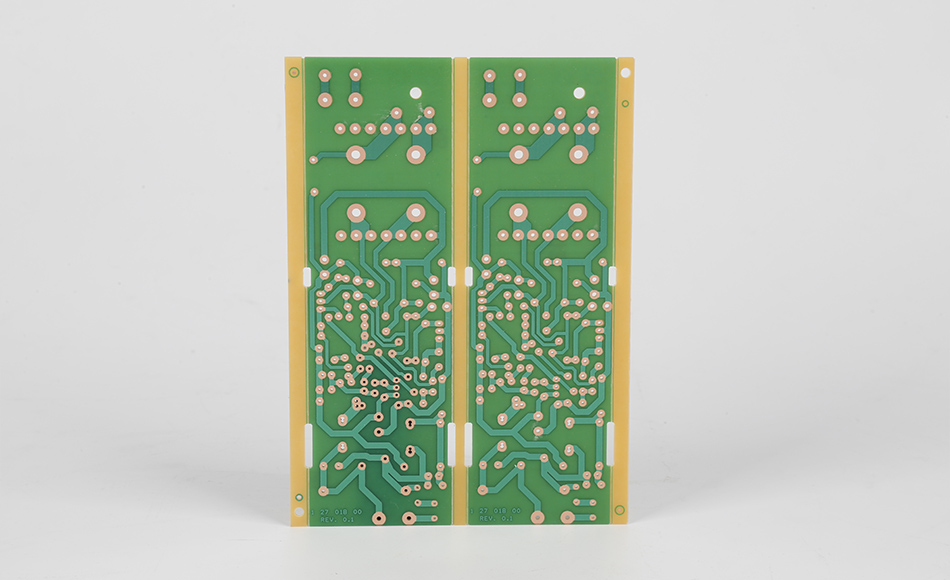
While LED light CEM3 offers baseline advantages, targeted design strategies can further enhance its efficiency, durability, and cost-effectiveness in lighting systems. These approaches align with the substrate’s inherent properties to maximize performance.
Thermal Via Placement: Add arrays of 0.3–0.5mm thermal vias under high-power LEDs to transfer heat from the top copper layer to the bottom layer or heat sink. A 50W floodlight using 16 thermal vias per LED reduced junction temperature by 12°C, extending lifespan by 30%.
Copper Plane Sizing: Use large, continuous copper planes (2oz+ thickness) to spread heat across the board. A 30W panel light with a 100mm×100mm copper plane on CEM3 reduced maximum board temperature by 15°C compared to a design with fragmented planes.
Heat Sink Integration: Use thermal adhesive with <0.5°C/W resistance to bond CEM3 boards to heat sinks. This minimizes interface resistance, improving heat transfer by 40% in outdoor floodlights.
Trace Routing for Current Uniformity: Route power traces in a "star" pattern (single input with symmetric branches) to ensure equal current distribution in multi-LED arrays. A 24-LED panel light using this design reduced current variation from 8% to 2%, eliminating brightness discrepancies.
Impedance Matching for Dimming: Calculate trace widths based on CEM3’s Dk (typically 4.5–5.0) to match impedance of dimming signals (e.g., 100Ω for PWM). This reduces signal reflection, ensuring smooth dimming in residential and commercial fixtures.
Ground Plane Design: Include a solid ground plane to minimize EMI (Electromagnetic Interference) in smart lighting systems. A Wi-Fi-enabled bulb with a CEM3 ground plane reduced interference by 25%, improving connectivity range by 10 meters.
Conformal Coating for Harsh Environments: Apply a 20–30μm polyurethane coating to CEM3 boards in outdoor or industrial fixtures. This protects against moisture, chemicals, and dust, extending PCB lifespan by 2–3 years.
Edge Reinforcement for Vibration: Reinforce board edges with additional copper plating to prevent trace cracking in high-vibration applications. A factory light using this design survived 100,000 vibration cycles with no electrical failures.
UV-Stabilized Solder Masks: Use solder masks with UV inhibitors in outdoor lighting to prevent yellowing and maintain heat dissipation. A street lamp with this feature retained 90% of its thermal conductivity after 3 years of sun exposure.
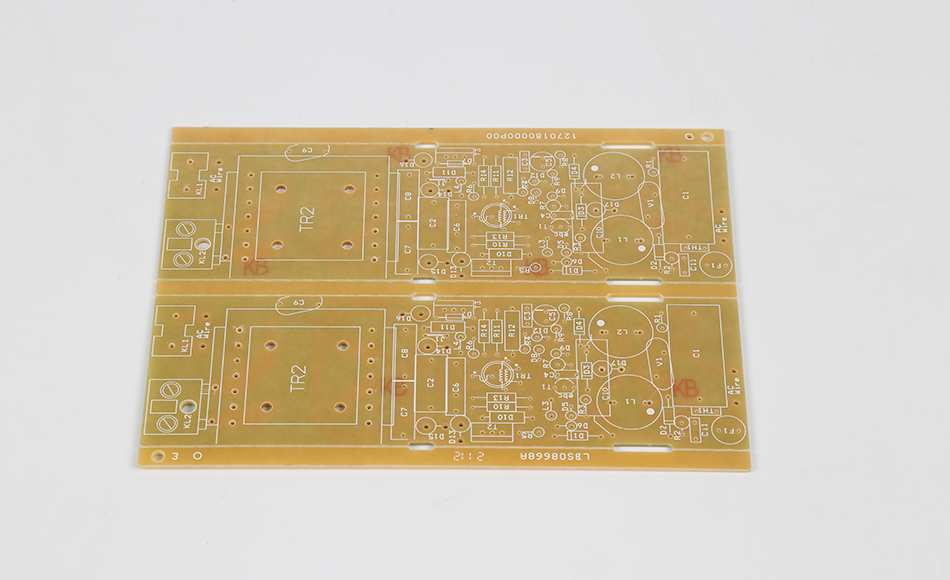
As LED lighting evolves toward smart, sustainable, and adaptive systems, LED light CEM3 is adapting to meet emerging demands—integrating new functionalities while retaining its core advantages of performance and cost.
Smart lighting (adjustable color, motion sensing, IoT connectivity) requires substrates that support embedded electronics. LED light CEM3 is evolving by:
Sensor Integration: Enabling embedded sensors (e.g., ambient light, motion) directly on CEM3 boards, eliminating the need for separate sensor modules. A smart outdoor light with integrated PIR (Passive Infrared) sensors on CEM3 reduced component count by 30% and power use by 15%.
Wireless Communication Support: Optimizing CEM3’s dielectric properties for 2.4GHz and 5GHz wireless signals (Wi-Fi, Bluetooth), ensuring reliable connectivity in smart bulbs and fixtures. A CEM3-based smart panel light achieved 99.5% connection uptime, outperforming MCPCB designs with signal interference issues.
Growing focus on eco-friendly lighting drives LED light CEM3 toward greener solutions:
Recycled Materials: Incorporating 25–30% recycled glass fiber in CEM3 reduces carbon footprint by 20% without performance loss. A European lighting brand using recycled CEM3 achieved EU ECOLABEL certification, boosting market appeal.
Low-Voltage Operation: Supporting 12V/24V systems in LED light CEM3 enables energy-efficient fixtures for off-grid applications (e.g., solar-powered street lamps). A 12V CEM3-based garden light reduced energy use by 50% compared to 120V equivalents.
Demand for compact, aesthetic fixtures pushes LED light CEM3 toward thinner, more versatile forms:
Ultra-Thin Core Variants: 0.4–0.5mm thin-core CEM3 enables sleek designs, such as edge-lit mirrors or under-cabinet lighting, without compromising thermal performance. A 0.4mm CEM3 board in a vanity mirror light reduced fixture thickness by 40% while handling 10W LED arrays.
Flexible CEM3 Options: Semi-flexible CEM3 variants with elastomeric resins support curved fixtures (e.g., circular panel lights, automotive interior lighting). A curved retail display light using flexible CEM3 achieved uniform illumination across a 180° arc.
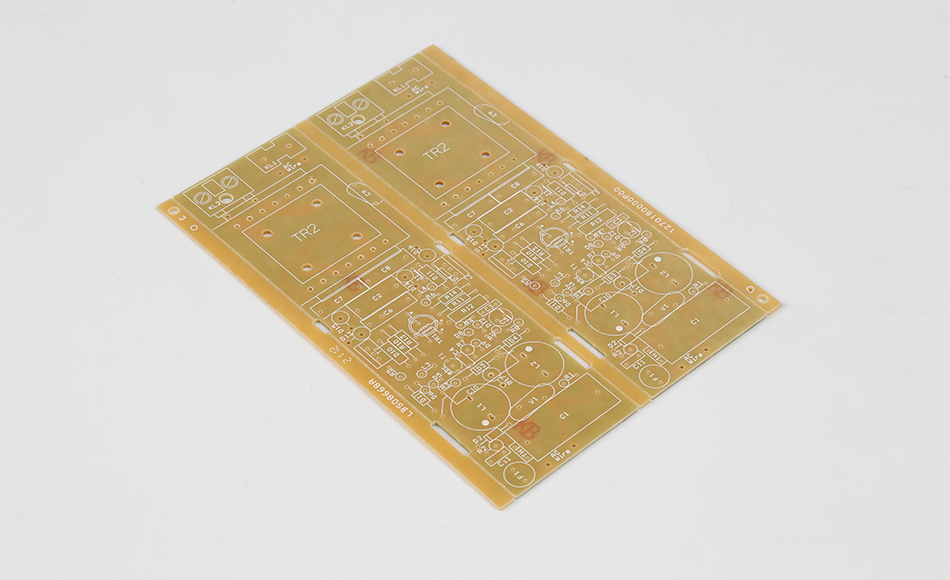
LED light CEM3 has established itself as a foundational technology in modern illumination, balancing thermal management, electrical uniformity, and durability to meet the unique demands of LED lighting systems. Its ability to adapt to diverse applications—residential, outdoor, industrial—while maintaining cost-effectiveness makes it indispensable for lighting manufacturers seeking to optimize performance and reliability.
By leveraging targeted design strategies—thermal via placement, uniform current routing, environmental protection—engineers can further unlock the potential of LED light CEM3, delivering fixtures with longer lifespans, better light quality, and lower costs. As lighting evolves toward smart, sustainable solutions, CEM3’s adaptability ensures it will remain a key enabler of innovation.
For the lighting industry, LED light CEM3 represents more than a substrate: it is a catalyst for efficient, accessible, and durable illumination, driving progress toward energy-saving, user-centric lighting systems. Its continued evolution will play a critical role in shaping the future of lighting technology.

Got project ready to assembly? Contact us: info@apollopcb.com



 Whatsapp 0086 755 29438407
 Mail info@apollopcb.com
 Tel 0086 755 29438407


ABOUT US

PRODUCTS
TECHNOLOGY
KNOWLEDGE CENTRE
CULTURE
NEWS
We're not around but we still want to hear from you! Leave us a note:

Leave Message to APOLLOPCB
