




-
- PCB TYPE
- PRINTED CIRCUIT BOARD PROTOTYPE ALUMINUM PRINTED CIRCUIT BOARD R&F PCB FPC HIGH FREQUENCY PCB HIGH-TG PCB HEAVY COPPER PCB HDI PCB PCB FOR LIGHTING METAL CORE PCB


time:Nov 05. 2025, 13:39:11
Quick Turn PCB Assembly has become a linchpin of agile electronics development, enabling businesses to accelerate product iterations, test market hypotheses faster, and respond to evolving customer demands with unprecedented speed. Unlike traditional long-lead assembly, which locks companies into rigid production timelines, quick turn services compress the design-to-assembly cycle—typically delivering prototypes or low-to-medium volume runs in days, not weeks. This agility is transformative for industries where innovation pace dictates competitive advantage, from consumer tech startups to industrial IoT developers. This article explores the market drivers behind quick turn adoption, the technical and operational pillars that enable its success, and how it empowers businesses to stay ahead in dynamic electronics landscapes.
Three interconnected trends are pushing quick turn assembly from a “nice-to-have” to a strategic necessity:
- Rapid Product Iteration: Modern electronics require continuous refinement—whether adding features to a smartwatch or optimizing sensor performance in industrial gear. Quick turn assembly lets teams test design tweaks (e.g., component placement, signal routing) in days, cutting iteration cycles by 50–70% compared to standard production.
- Market Validation Pressure: Startups and established brands alike face pressure to validate products before scaling. Quick turn services enable low-volume “test batches” for market feedback, reducing the risk of overinvesting in unproven designs. For example, a wearables company can produce 100 prototype units in a week to gauge consumer interest.
- Supply Chain Volatility: Fluctuations in component availability have made flexibility critical. Quick turn providers’ ability to pivot between suppliers or substitute pre-qualified parts helps businesses avoid delays when their primary component source is constrained.
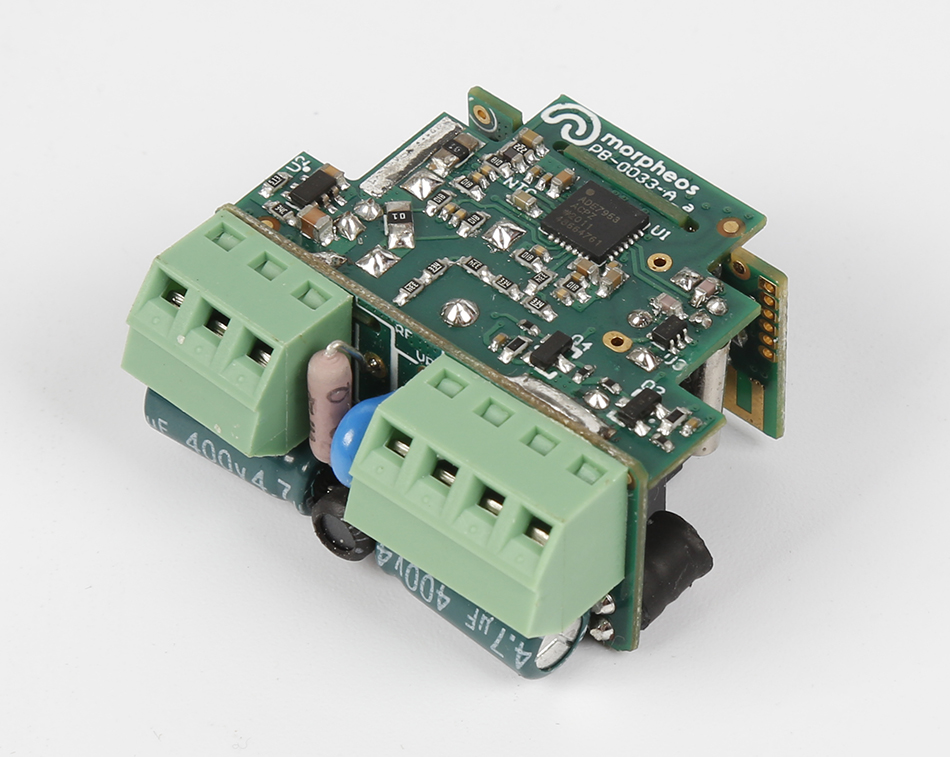
Successful quick turn operations rely on three integrated pillars that balance speed and reliability:
Cloud-based design platforms enable real-time collaboration between clients and assembly teams. Automated DFM (Design for Manufacturability) tools flag issues (e.g., overly tight trace spacing) within minutes, and engineers provide actionable fixes to ensure designs are production-ready on submission. This eliminates back-and-forth delays that plague traditional assembly.
Quick turn providers use modular production cells instead of fixed assembly lines. These cells can be reconfigured for different PCB sizes, component types, or volumes in hours. Advanced pick-and-place machines with universal feeders handle a wide range of components, reducing changeover time, while inline inspection tools (SPI, AOI) catch defects early to avoid rework.
Providers maintain a “core component library”—stocking high-demand parts (e.g., common resistors, microcontrollers) to eliminate sourcing delays. For specialized components, they leverage partnerships with global distributors offering expedited shipping, ensuring even hard-to-find parts arrive in time for assembly.
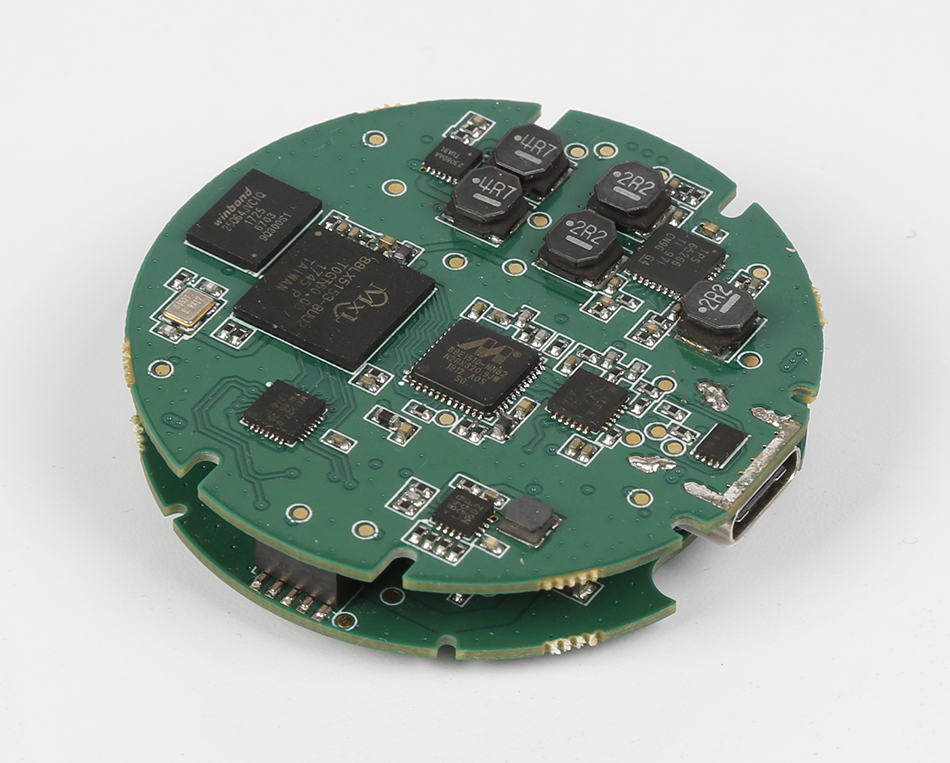
Smartphone and IoT device makers use quick turn assembly to test new feature modules (e.g., 5G antennas, biometric sensors) ahead of flagship launches. This lets them refine performance and resolve compatibility issues before mass production, reducing costly post-launch fixes.
IIoT developers rely on quick turn to adapt sensors to specific industrial environments (e.g., high-temperature factories, wet agricultural settings). They can iterate on enclosure designs and component selection in days, ensuring the final product meets harsh operational requirements.
Medical tech companies use quick turn to prototype diagnostic devices and wearable health monitors. Rapid assembly lets them test usability with clinicians and adjust features (e.g., sensor accuracy, battery life) to align with regulatory and user needs, speeding up FDA approval timelines.
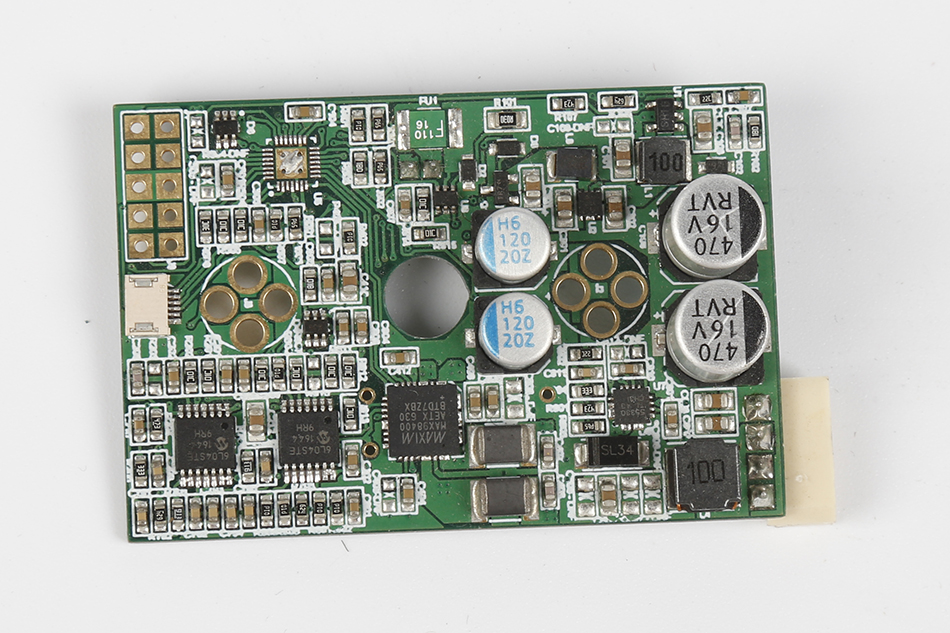
Advancements in automation and data analytics will further enhance quick turn capabilities:
AI-Powered Scheduling: Machine learning will optimize production sequences in real time, minimizing idle time between orders.On-Demand Local Production: Distributed micro-factories will bring quick turn assembly closer to clients, reducing shipping time and costs.Sustainable Quick Turn: Eco-friendly solder materials and energy-efficient equipment will make fast assembly more environmentally responsible.
Quick Turn PCB Assembly is no longer just about speed—it’s about enabling the agile, customer-centric innovation that defines modern electronics. By streamlining design collaboration, leveraging flexible infrastructure, and managing materials strategically, it empowers businesses to turn ideas into tangible products faster than ever. As markets grow more dynamic, quick turn assembly will remain a critical tool for companies looking to innovate boldly, test rapidly, and win in the race to deliver next-generation electronics.

Got project ready to assembly? Contact us: info@apollopcb.com



 Whatsapp 0086 755 29438407
 Mail info@apollopcb.com
 Tel 0086 755 29438407


ABOUT US

PRODUCTS
TECHNOLOGY
KNOWLEDGE CENTRE
CULTURE
NEWS
We're not around but we still want to hear from you! Leave us a note:

Leave Message to APOLLOPCB
