




-
- PCB TYPE
- PRINTED CIRCUIT BOARD PROTOTYPE ALUMINUM PRINTED CIRCUIT BOARD R&F PCB FPC HIGH FREQUENCY PCB HIGH-TG PCB HEAVY COPPER PCB HDI PCB PCB FOR LIGHTING METAL CORE PCB


time:Jun 10. 2025, 10:13:25
SMD LED Aluminum Core PCB: Unveiling the Key to Efficient Lighting Electronics
In the contemporary lighting and electronics industry, Surface Mount Device (SMD) LED Aluminum Core Printed Circuit Boards (PCBs) have become a cornerstone technology. As the demand for compact, energy - efficient, and high - performance LED lighting solutions surges, these specialized PCBs have emerged as the go - to choice. Combining the advantages of SMD LEDs, which offer small size and high - density integration, with the unique properties of an aluminum core, these PCBs address critical challenges such as thermal management and mechanical stability. This article provides a comprehensive overview of SMD LED Aluminum Core PCBs, covering their structure, benefits, applications, design considerations, manufacturing processes, and future trends.
What is an SMD LED Aluminum Core PCB?
An SMD LED Aluminum Core PCB is a type of printed circuit board specifically designed for use with SMD LEDs. At its core, it features an aluminum substrate that serves as both a mechanical support and an efficient heat - dissipation medium. Unlike traditional PCBs with organic substrates, the aluminum core provides superior thermal conductivity, enabling effective management of the heat generated by SMD LEDs. The PCB also includes an insulating layer, typically made of a thermally conductive dielectric material, which separates the aluminum core from the conductive copper layer where the SMD LEDs and electrical traces are located. This unique structure makes it ideal for applications where reliable heat management and electrical performance are essential.
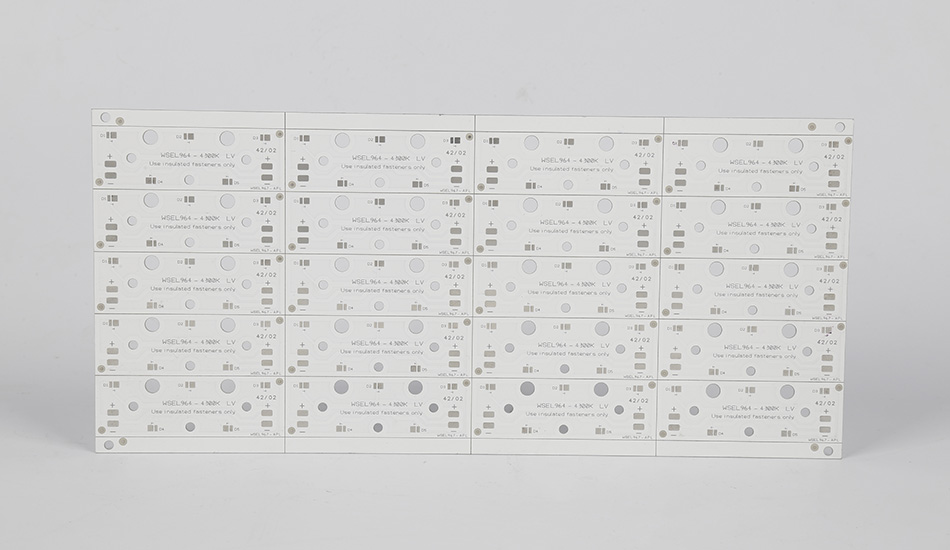
Structure and Components
Aluminum Core: The aluminum core is the defining feature of this PCB. Aluminum is chosen for its excellent balance of properties. It is lightweight, cost - effective, and has good thermal conductivity, which allows it to quickly transfer heat away from the SMD LEDs. The aluminum core not only acts as a heat sink but also provides mechanical rigidity to the PCB, making it more resistant to bending, vibrations, and physical stress.
Insulating Layer: Positioned between the aluminum core and the copper layer, the insulating layer plays a crucial dual role. It provides electrical isolation to prevent short - circuits between the aluminum core and the electrical components on the PCB. Simultaneously, it facilitates the transfer of heat from the SMD LEDs on the copper layer to the aluminum core. The material of the insulating layer is carefully selected to have high thermal conductivity while maintaining excellent electrical insulation properties.
Copper Layer: This is the layer where the SMD LEDs are mounted and the electrical circuit traces are formed. The copper layer is etched to create the conductive paths that supply power to the SMD LEDs and connect them to other components on the PCB. The thickness of the copper layer is optimized based on the current - carrying requirements of the SMD LEDs to ensure efficient power delivery and minimize electrical resistance.
Solder Mask and Silk Screen: The solder mask is a protective layer applied over the copper layer. It has openings precisely aligned with the pads where the SMD LEDs are soldered, protecting the copper traces from oxidation and preventing solder bridges during the soldering process. The silk screen layer, on the other hand, provides important information such as component outlines, reference designators, and polarity markings, which are essential for the correct assembly and identification of components on the PCB.
Advantages
Exceptional Thermal Management: One of the primary advantages of SMD LED Aluminum Core PCBs is their outstanding thermal management capabilities. SMD LEDs generate heat during operation, and if not dissipated effectively, this heat can lead to a decrease in light output, color shift, and a shorter lifespan of the LEDs. The aluminum core efficiently absorbs and spreads the heat generated by the SMD LEDs over a larger surface area, allowing for rapid heat dissipation into the surrounding environment. This helps to maintain the LEDs at a lower and more stable operating temperature, ensuring consistent performance and extending their lifespan.
Mechanical Strength and Durability: The aluminum core imparts significant mechanical strength to the PCB. It makes the board more robust and able to withstand the rigors of handling, assembly, and operation in various environments. SMD LED Aluminum Core PCBs are less likely to be damaged by physical impacts, vibrations, or thermal cycling compared to traditional PCBs, making them suitable for applications where reliability is critical. For example, in automotive lighting or outdoor lighting fixtures, these PCBs can endure harsh conditions without compromising performance.
Cost - Effectiveness: Despite their advanced features, SMD LED Aluminum Core PCBs offer cost - effectiveness in the long run. The efficient thermal management reduces the need for complex and expensive external cooling systems, such as large heat sinks or fans. Additionally, the longer lifespan of SMD LEDs enabled by proper heat management reduces the frequency of component replacements, resulting in lower maintenance costs over time. The widespread use of aluminum, a relatively inexpensive material, also contributes to keeping the overall cost of the PCB reasonable.
Design Flexibility: These PCBs provide a high degree of design flexibility. They can be customized in terms of size, shape, and the layout of SMD LEDs and electrical traces to meet the specific requirements of different lighting applications. Whether it's a simple linear LED strip or a complex circular lighting fixture, SMD LED Aluminum Core PCBs can be designed to fit seamlessly. This flexibility also allows for the integration of additional features, such as dimming circuits or electromagnetic interference (EMI) shielding, depending on the application needs.
Applications
LED Lighting Fixtures: SMD LED Aluminum Core PCBs are widely used in various LED lighting fixtures, including LED bulbs, tubes, panels, and downlights. In residential lighting, they enable the creation of energy - efficient and aesthetically pleasing lighting solutions. In commercial and industrial settings, such as offices, warehouses, and factories, these PCBs provide reliable and bright illumination, while also reducing energy consumption and maintenance costs.
Automotive Lighting: In the automotive industry, SMD LED Aluminum Core PCBs are employed in headlights, taillights, daytime running lights, and interior lighting. The demanding automotive environment, with its high temperatures, vibrations, and electrical interference, requires PCBs with excellent thermal and mechanical properties. These PCBs meet these requirements, ensuring the reliable operation of automotive lighting systems and enhancing road safety.
Decorative and Architectural Lighting: For decorative and architectural lighting applications, such as LED strip lights for accent lighting in buildings, or LED - illuminated signs, SMD LED Aluminum Core PCBs offer the perfect combination of performance and flexibility. Their ability to handle heat effectively and be customized in shape and size allows for the creation of unique and visually appealing lighting designs that can transform the appearance of any space.
Consumer Electronics: In consumer electronics products like LED - backlit displays for smartphones, tablets, and laptops, SMD LED Aluminum Core PCBs play a vital role. They ensure the efficient operation of the LEDs, providing bright and clear backlighting while also helping to reduce the overall thickness and weight of the devices.
Design Considerations
Thermal Design:
Component Placement: When designing an SMD LED Aluminum Core PCB, the placement of SMD LEDs is crucial for effective thermal management. LEDs should be evenly distributed across the PCB to promote uniform heat dissipation. Placing heat - generating components directly over the aluminum core, and using thermal vias to connect the copper layer to the aluminum core, can significantly enhance heat transfer.
Insulating Layer Selection: The choice of insulating layer material and its thickness affects both thermal and electrical performance. A material with higher thermal conductivity will facilitate better heat transfer, but it must also maintain sufficient electrical insulation. Designers need to carefully balance these factors based on the specific requirements of the application.
Electrical Design:
Trace Width and Spacing: Determining the appropriate trace width and spacing on the copper layer is essential for ensuring the electrical performance of the PCB. Wider traces are required for higher - current applications to minimize resistance and prevent overheating. Adequate spacing between traces is necessary to avoid electrical short - circuits, especially in high - voltage or high - frequencyapplications.
Power Distribution and Grounding: A well - designed power distribution network and grounding system are critical for stable operation. The aluminum core can be used as a ground plane to improve grounding and reduce electromagnetic interference. Properly routing power traces and ensuring a low - impedance path for power delivery to the SMD LEDs are also important considerations.
Mechanical Design:
Board Thickness and Shape: The thickness of the PCB affects its mechanical strength and thermal performance. A thicker board may offer more mechanical rigidity but could also increase thermal resistance. The shape of the PCB should be designed to fit the intended application, whether it's a standard rectangular shape or a custom - designed form factor. Special attention should be paid to any cutouts or holes in the PCB, as they can impact its mechanical integrity.
Mounting and Fastening: Ensuring secure mounting of the PCB is important to prevent vibrations and movement during operation. Designers need to consider the appropriate mounting holes, brackets, or adhesive bonding methods based on the application requirements. The choice of mounting method should also take into account the environmental conditions and the weight of the components mounted on the PCB.
Manufacturing Processes
Layer Preparation: The manufacturing process begins with the preparation of the individual layers. The aluminum core is cleaned thoroughly to remove any contaminants, such as oils, dirt, or oxides, which could affect the adhesion of the insulating layer. The copper foil for the copper layer is also prepared by cleaning and roughening its surface to enhance bonding with the insulating layer. The insulating layer material, usually in the form of a film or a liquid resin, is formulated with thermally conductive fillers and then applied to the aluminum core.
Lamination: The prepared layers, including the aluminum core, insulating layer, and copper foil, are then laminated together. This process involves applying heat and pressure to bond the layers firmly. The heat softens the insulating material, allowing it to flow and create a strong bond between the aluminum core and the copper foil. The pressure ensures that the layers are evenly distributed and that there are no voids or delaminations.
Circuit Imaging and Etching: After lamination, photolithography is used to transfer the circuit design onto the copper layer. A photosensitive resist is applied to the surface of the copper foil, and a mask with the desired circuit pattern is used to expose the resist to light. The exposed areas of the resist are then developed, leaving the copper traces underneath protected by the unexposed resist. The unprotected copper is then etched away using a chemical solution, creating the conductive traces and pads for the SMD LEDs and other components.
Drilling and Plating: Holes are drilled through the layers of the PCB for various purposes, such as for component leads, vias, and mounting holes. Specialized drilling equipment is used to ensure accurate hole placement and smooth hole edges. After drilling, the holes are plated with a conductive material, usually copper, to create electrical connections between the different layers of the PCB.
Surface Finishing: The final step in the manufacturing process is surface finishing. The surface of the PCB is treated to protect the copper traces from oxidation and corrosion and to provide a suitable surface for soldering the SMD LEDs. Common surface finishing options include hot - air solder leveling (HASL), electroless nickel immersion gold (ENIG), and organic solderability preservative (OSP), each with its own advantages and suitable applications.
Challenges and Solutions
Cost: The cost of SMD LED Aluminum Core PCBs can be a concern, especially for applications with tight budgets. The use of specialized materials, such as the thermally conductive insulating layer, and the more complex manufacturing processes compared to traditional PCBs contribute to the higher cost. To address this, manufacturers are constantly exploring cost - effective materials and optimizing the manufacturing process. For example, using alternative insulating materials with similar performance at a lower cost or improving production efficiency to reduce waste and labor costs.
Thermal Expansion Mismatch: Different materials in the SMD LED Aluminum Core PCB, including the aluminum core, insulating layer, and copper layer, have different coefficients of thermal expansion. This can lead to thermal stress and potential delamination or cracking of the PCB during temperature changes. To mitigate this issue, designers can select materials with compatible thermal expansion coefficients. Additionally, using thermal interface materials with good flexibility and stress - relieving properties can help reduce the impact of thermal expansion mismatch.
Assembly Complexity: The assembly of SMD LEDs on these PCBs can be more complex compared to through - hole components. Precise soldering techniques and equipment are required to ensure reliable connections. To overcome this challenge, manufacturers invest in advanced soldering technologies, such as reflow soldering with precise temperature control, and provide training to assembly technicians to ensure high - quality assembly.
Future Trends
Miniaturization and High - Density Integration: As the demand for smaller and more compact LED lighting products continues to grow, there will be a trend towards further miniaturization of SMD LED Aluminum Core PCBs. This will involve developing thinner layers, smaller vias, and more precise component placement to enable higher - density integration of SMD LEDs and other components on the PCB.
Integration with Smart Technologies: These PCBs are likely to be integrated with smart lighting technologies, such as sensors, wireless communication modules, and microcontrollers. This will enable features like remote control, dimming, color - changing, and energy - consumption monitoring, making LED lighting systems more intelligent and energy - efficient.
Sustainable Manufacturing: With the increasing focus on environmental sustainability, there will be a push towards more eco - friendly manufacturing processes for SMD LED Aluminum Core PCBs. This may include the use of recycled materials, reducing waste during production, and implementing energy - efficient manufacturing techniques.
Conclusion
SMD LED Aluminum Core PCBs have revolutionized the LED lighting and electronics industry with their unique combination of thermal management, mechanical strength, and design flexibility. Their wide range of applications, from residential and commercial lighting to automotive and consumer electronics, showcases their versatility and importance. While they face certain challenges, ongoing research and development efforts are continuously improving their performance and cost - effectiveness. As technology continues to evolve, SMD LED Aluminum Core PCBs will undoubtedly play an even more significant role in shaping the future of energy - efficient and intelligent lighting solutions.

Got project ready to assembly? Contact us: info@apollopcb.com



 Whatsapp 0086 755 29438407
 Mail info@apollopcb.com
 Tel 0086 755 29438407


ABOUT US

PRODUCTS
TECHNOLOGY
KNOWLEDGE CENTRE
CULTURE
NEWS
We're not around but we still want to hear from you! Leave us a note:

Leave Message to APOLLOPCB
