




-
- PCB TYPE
- PRINTED CIRCUIT BOARD PROTOTYPE ALUMINUM PRINTED CIRCUIT BOARD R&F PCB FPC HIGH FREQUENCY PCB HIGH-TG PCB HEAVY COPPER PCB HDI PCB PCB FOR LIGHTING METAL CORE PCB


time:Jul 16. 2025, 09:50:02
Aluminum printed circuit boards (PCBs) have evolved from niche thermal management solutions to foundational components in modern electronics, driving advancements across automotive, renewable energy, and next-generation communication sectors. As electronic systems demand higher power densities, greater miniaturization, and enhanced sustainability, aluminum PCBs continue to redefine performance standards through material science breakthroughs and application-specific engineering. This article explores the latest developments in aluminum PCB technology, focusing on emerging material ecosystems, design methodologies, and industry-specific use cases that are shaping the future of electronic hardware.
Material Ecosystem Evolution in Aluminum PCBs
Advanced Aluminum Alloy Formulations
Modern aluminum PCB cores are engineered for multi-functional performance beyond basic thermal conductivity:
Scandium-Enhanced Alloys: These next-generation alloys combine improved tensile strength with exceptional thermal transfer properties, making them ideal for weight-sensitive applications like drones and aerospace electronics. Their resistance to fatigue under thermal cycling reduces failure rates in high-vibration environments.
Antimicrobial Aluminum Substrates: Surface-modified alloys incorporating silver-ion technology inhibit bacterial growth, addressing hygiene requirements in medical devices such as wearable health monitors and surgical equipment interfaces.
Thermo-Responsive Alloys: Alloys with tailored coefficient of thermal expansion (CTE) profiles minimize stress between layers during temperature fluctuations, a critical advancement for reliability in EV battery management systems and industrial motor controllers.
These alloys are complemented by innovative surface treatments, including plasma electrolytic oxidation (PEO), which creates a durable, dielectric-compatible layer that enhances corrosion resistance in marine and outdoor applications.
Next-Gen Dielectric Materials
Dielectric innovation is enabling aluminum PCBs to meet diverse performance demands:
Bio-Based Epoxy Composites: Derived from plant-derived feedstocks, these dielectrics reduce carbon footprints by 30% compared to petroleum-based alternatives while maintaining thermal conductivity suitable for LED lighting and consumer electronics.
2D Material-Reinforced Dielectrics: Integration of hexagonal boron nitride (hBN) and graphene nanoplatelets into dielectric matrices enhances thermal conductivity by 50% without compromising electrical insulation, critical for high-power semiconductor packaging.
Phase-Change Dielectrics: Thermally adaptive materials that adjust their mechanical properties at critical temperatures, reducing interfacial stress between aluminum cores and copper layers during extreme thermal cycles—a breakthrough for reliability in space electronics.
These dielectric advancements allow aluminum PCBs to operate efficiently across temperature ranges from cryogenic environments to industrial heat zones exceeding 150°C.
Copper Integration and Surface Engineering
Copper layers in aluminum PCBs are undergoing precision reimagining:
Nanostructured Copper Cladding: Electrochemically textured copper surfaces with microscale ridges improve adhesion to dielectric layers by 40%, enhancing durability in flexible aluminum PCBs used in foldable displays and wearable tech.
Selective Copper Deposition: Laser-activated plating techniques target high-current areas, reducing material waste by 25% in power distribution boards while maintaining current-carrying capacity.
Oxidation-Resistant Coatings: Thin graphene or nickel-gold layers prevent copper corrosion in humid environments, extending lifespan in marine sensors and outdoor renewable energy systems.
Design Paradigms Shaping Aluminum PCB Development
Modular and Scalable Design Architectures
Aluminum PCBs are embracing modularity to meet diverse application needs:
Plug-and-Play Substrates: Standardized aluminum core dimensions with pre-defined mounting points enable rapid integration into larger systems, reducing design cycles for industrial automation controllers and EV charging modules.
Stackable Thermal Interfaces: Interlocking aluminum PCB designs create vertical thermal pathways, optimizing heat dissipation in high-density electronics like AI server racks and 5G base station transceivers.
Hybrid Rigid-Flex Configurations: Aluminum-reinforced flexible sections in PCBs balance structural stability with motion tolerance, ideal for robotic joints and automotive dashboard electronics requiring both thermal management and mechanical flexibility.
AI-Driven Design Optimization
Artificial intelligence is transforming aluminum PCB engineering workflows:
Predictive Thermal Mapping: Machine learning models analyze component placement and power profiles to optimize aluminum core thickness and dielectric selection, reducing hotspots by 30% in prototypes.
Generative Layout Tools: AI algorithms generate copper trace geometries that maximize heat spread while minimizing EMI, critical for mixed-signal PCBs in IoT edge devices and medical imaging equipment.
Material Matching Systems: AI platforms recommend aluminum alloy-dielectric combinations based on application parameters (temperature range, vibration levels, frequency), ensuring optimal performance without over-engineering.
Integrated Thermal-Electrical Co-Design
Modern aluminum PCB design unifies thermal and electrical performance:
Embedded Heat Sinks: Aluminum cores with integrated micro-fin structures eliminate the need for separate heat sinks, reducing assembly complexity in LED automotive headlights and power inverters.
Thermal-Via Networks: Strategic via placement connects copper layers directly to aluminum substrates, creating low-resistance heat pathways that improve thermal conductivity by 40% compared to conventional designs.
Impedance-Thermal Balance: Design tools now synchronize dielectric thickness adjustments for both impedance control (critical for high-frequency signals) and thermal resistance minimization, a key advancement for 6G transceiver PCBs.
Emerging Industry Applications for Aluminum PCBs
Quantum Computing Infrastructure
Aluminum PCBs are enabling quantum technology advancements:
Cryogenic-Compatible Substrates: Aluminum alloys with ultra-low thermal expansion at near-absolute-zero temperatures maintain signal integrity in superconducting qubit control circuits, critical for quantum processor stability.
Magnetic Shielding Integration: Aluminum cores with nickel-iron alloy cladding reduce electromagnetic interference by 90%, protecting sensitive quantum signals from environmental noise.
Hydrogen Energy Systems
Aluminum PCBs support the growing hydrogen economy:
Fuel Cell Controller PCBs: Corrosion-resistant aluminum alloys paired with fluoropolymer dielectrics withstand humid, hydrogen-rich environments in fuel cell stacks, ensuring reliable operation in green energy systems.
Hydrogen Sensor Interfaces: Aluminum cores dissipate heat from sensor electronics, maintaining accuracy in hydrogen leak detection systems used in storage facilities and fueling stations.
Advanced Robotics and Automation
Aluminum PCBs drive innovation in robotic systems:
Collaborative Robot Joints: Flexible aluminum PCBs with strain-resistant copper traces handle continuous motion in robotic arms, maintaining signal integrity through millions of bending cycles.
Autonomous Vehicle Perception Modules: High-power aluminum PCBs manage the thermal load from LiDAR, radar, and camera fusion systems, ensuring consistent performance in varying environmental conditions.
Space and Satellite Electronics
Aluminum PCBs meet the rigors of space environments:
Radiation-Hardened Designs: Aluminum cores with boron carbide additives resist cosmic radiation damage, extending mission lifespans for communication satellites and deep-space probes.
Lightweight Power Distribution: Honeycomb-structured aluminum PCBs reduce satellite weight by 20% while managing power distribution from solar panels to onboard systems.
Sustainability and Circular Economy in Aluminum PCB Lifecycles
Eco-Friendly Manufacturing Practices
Aluminum PCB production is embracing sustainability:
Closed-Loop Aluminum Recycling: In-house recycling facilities recover and reprocess aluminum from production scrap, maintaining 95% of the original material’s thermal conductivity while reducing raw material consumption.
Renewable Energy-Powered Production: Solar and wind energy integration in manufacturing facilities cuts carbon emissions by 40% compared to traditional production methods.
Waterless Processing: Plasma etching and dry film photolithography eliminate hazardous wastewater in copper patterning, aligning with EU REACH and U.S. EPA environmental standards.
End-of-Life Management and Recycling
Innovative recycling approaches extend aluminum PCB value:
Selective Delamination: Thermal and chemical processes separate aluminum cores from copper and dielectric layers, enabling 90% material recovery for reuse in new PCB production.
Copper Recovery via Bioleaching: Bacteria-based extraction methods recover copper from end-of-life PCBs with 95% purity, reducing energy use by 70% compared to traditional smelting.
Repurposed Aluminum Cores: Refurbished aluminum substrates find second-life applications in low-power electronics, reducing e-waste in consumer devices.
Future Trends Shaping Aluminum PCB Technology
Smart and Adaptive Aluminum PCBs
Next-generation aluminum PCBs will feature integrated intelligence:
Self-Monitoring Layers: Embedded micro-sensors in aluminum cores detect temperature spikes, vibration levels, and material degradation, enabling predictive maintenance in critical infrastructure like power grids and healthcare equipment.
Thermally Reconfigurable Circuits: Phase-change materials in aluminum PCBs adjust conductivity based on operating conditions, optimizing performance across varying power loads in renewable energy inverters.
Material Convergence and Multi-Functionality
Aluminum PCBs are integrating diverse functionalities:
Energy Harvesting Integration: Thermoelectric modules embedded in aluminum cores convert waste heat into electricity, powering low-energy sensors in industrial machinery and smart buildings.
Structural-Electrical Integration: Aluminum PCBs that double as structural components reduce system weight in drones and electric aircraft, combining mechanical support with circuit functionality.
Global Standardization and Regulatory Alignment
Industry collaboration is driving consistency:
Cross-Industry Performance Standards: Unified testing protocols for thermal conductivity, vibration resistance, and environmental durability simplify material selection across automotive, aerospace, and consumer electronics sectors.
Sustainability Certification Frameworks: New standards for aluminum PCB recyclability and carbon footprint labeling enable transparent environmental claims, supporting global green initiatives.
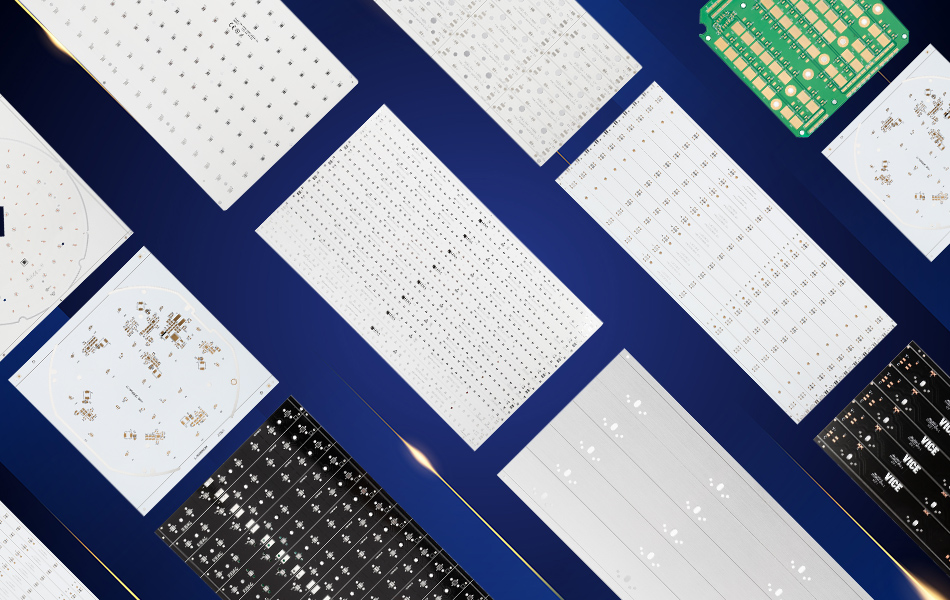
Conclusion: Aluminum PCBs as Enablers of Next-Generation Electronics
Aluminum PCBs have transcended their traditional role as thermal management solutions to become multi-functional platforms that drive innovation across industries. Through material science advancements, AI-driven design optimization, and a focus on sustainability, these PCBs are enabling technologies from quantum computing to green hydrogen energy systems. As electronic devices continue to evolve toward higher performance and lower environmental impact, aluminum PCBs will remain critical enablers—balancing thermal efficiency, electrical performance, and sustainability to power the next wave of technological advancement. For engineers and manufacturers, embracing aluminum PCB innovation is not just a technical choice but a strategic investment in the future of electronics.

Got project ready to assembly? Contact us: info@apollopcb.com



 Whatsapp 0086 755 29438407
 Mail info@apollopcb.com
 Tel 0086 755 29438407


ABOUT US

PRODUCTS
TECHNOLOGY
KNOWLEDGE CENTRE
CULTURE
NEWS
We're not around but we still want to hear from you! Leave us a note:

Leave Message to APOLLOPCB
