




-
- PCB TYPE
- PRINTED CIRCUIT BOARD PROTOTYPE ALUMINUM PRINTED CIRCUIT BOARD R&F PCB FPC HIGH FREQUENCY PCB HIGH-TG PCB HEAVY COPPER PCB HDI PCB PCB FOR LIGHTING METAL CORE PCB


time:Jul 17. 2025, 10:04:39
In the evolving landscape of electronic design, thermal management remains a critical challenge as devices shrink while power densities rise. Among the diverse thermal solutions available, printed circuit boards (PCBs) with a thermal conductivity of approximately 1.5W/mK have emerged as a versatile choice, striking a balance between heat dissipation capability, cost efficiency, and manufacturing feasibility. This article explores the material science, design principles, applications, and selection criteria for 1.5W/mK thermal conductive PCBs, highlighting their role in bridging the gap between basic FR-4 boards and high-end thermal solutions.
Understanding 1.5W/mK Thermal Conductive PCBs
Thermal Conductivity in Context
Thermal conductivity, measured in watts per meter-kelvin (W/mK), quantifies a material’s ability to transfer heat. Traditional FR-4 PCBs, the workhorse of electronics, typically offer thermal conductivity below 0.3W/mK, sufficient for low-power devices but inadequate for components generating moderate heat. In contrast, high-end solutions like aluminum-core PCBs can exceed 200W/mK, but their cost and rigidity limit widespread use.
At approximately 1.5W/mK, thermal conductive PCBs occupy a sweet spot: they provide 5–10 times better heat dissipation than FR-4 while remaining significantly more affordable than metal-core alternatives. This makes them ideal for applications where heat management is critical but extreme thermal loads are not the primary concern.
Core Advantages
Beyond thermal performance, these PCBs offer compelling benefits:
Electrical Insulation: Maintaining dielectric strength comparable to FR-4, they prevent short circuits while facilitating heat flow.
Mechanical Versatility: Unlike rigid metal-core PCBs, many 1.5W/mK variants retain flexibility, enabling use in curved or compact designs.
Cost-Effectiveness: Manufacturing processes align with standard PCB production lines, avoiding the premium associated with specialized thermal materials.
Compatibility: They integrate seamlessly with existing component mounting and assembly workflows, requiring no major retooling for manufacturers.
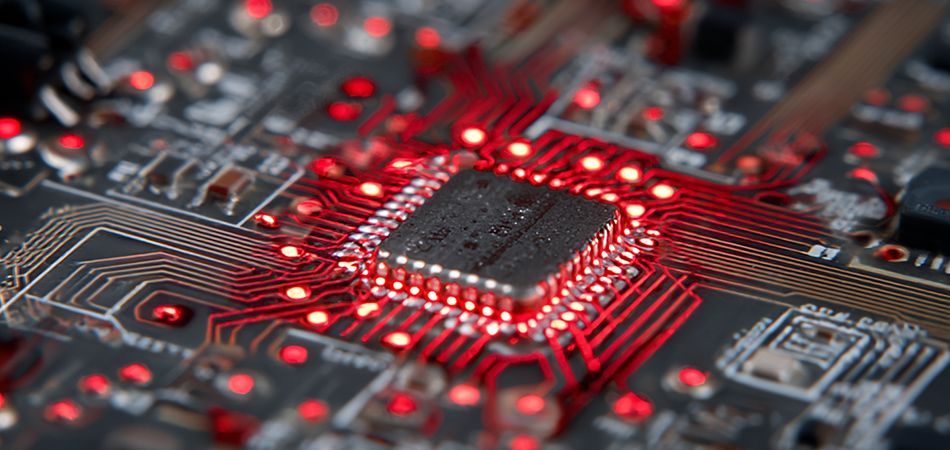
Material Compositions Enabling 1.5W/mK Performance
Polymer-Ceramic Composites
The most common approach to achieving 1.5W/mK thermal conductivity involves reinforcing polymer matrices with thermally conductive ceramics:
Base Polymers: Epoxy, polyimide, or phenolic resins provide structural integrity and electrical insulation. Epoxy-based composites dominate due to their balance of adhesion, curing properties, and cost.
Ceramic Fillers: Aluminum oxide (Al₂O₃), magnesium oxide (MgO), or silicon nitride (Si₃N₄) particles are dispersed within the polymer. These ceramics, with thermal conductivities ranging from 30–100W/mK, create pathways for heat transfer through the otherwise insulating polymer matrix.
Filler Optimization: Particle size distribution and loading percentage are critical. A blend of micro- and nano-scale fillers reduces voids, maximizing thermal contact between particles. Typical filler loads range from 50–70% by weight, balancing thermal performance with mechanical flexibility.
Glass Fiber Reinforcement
To enhance mechanical strength without sacrificing thermal conductivity, many 1.5W/mK PCBs incorporate glass fiber fabrics:
Woven Glass Matrices: These reinforce the polymer-ceramic composite, improving tensile strength and dimensional stability during thermal cycling.
Surface Treatment: Glass fibers may undergo silane coupling treatments to strengthen bonding with the polymer matrix, reducing interface thermal resistance—a critical factor in maintaining efficient heat flow.
Copper Clad Layers
The conductive copper layer, essential for circuit traces, plays a dual role:
Electrical Conduction: Enabling signal and power distribution as in standard PCBs.
Thermal Spreading: Thickened copper traces (relative to FR-4) help spread heat from hot components across the PCB surface, complementing the substrate’s thermal conductivity.
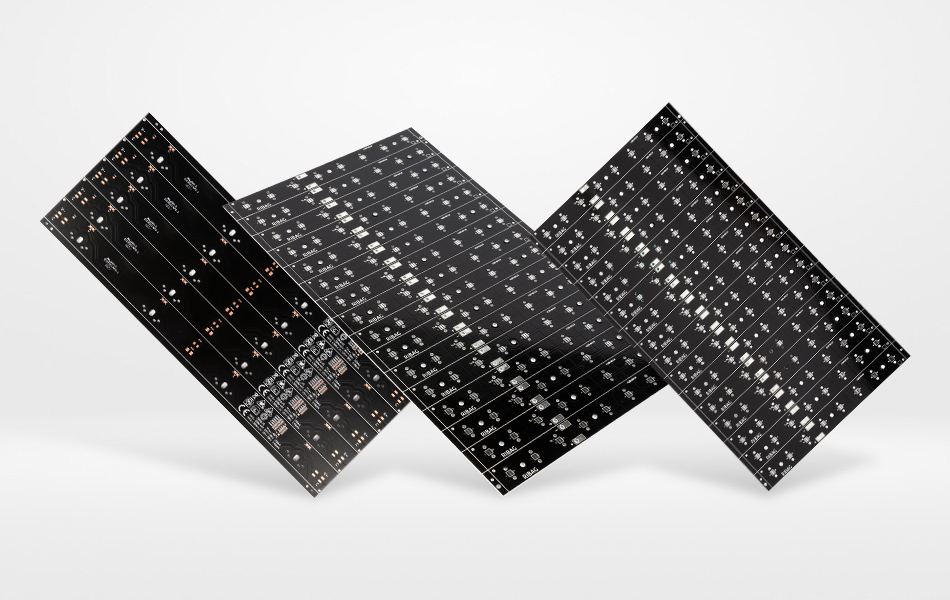
Design Principles for Optimizing Thermal Performance
Thermal Path Engineering
Effective heat dissipation requires strategic design to minimize resistance along thermal pathways:
Trace Layout: Wide, short copper traces from heat-generating components (e.g., LEDs, voltage regulators) to cooler areas reduce resistive heating and facilitate heat spread.
Thermal Vias: Plated through-holes connect copper layers, creating vertical pathways for heat to flow from component-side traces to the opposite side of the PCB, where it can dissipate into the environment or a heatsink.
Component Placement: Grouping heat sources to leverage shared thermal pathways, while isolating sensitive components (e.g., sensors) from hot zones, optimizes overall thermal management.
Interface Thermal Resistance Reduction
A significant portion of heat loss occurs at material interfaces. Design strategies to mitigate this include:
Surface Roughness Optimization: Micro-textured substrate surfaces enhance contact with thermal interface materials (TIMs) like thermal paste or pads, reducing air gaps that impede heat transfer.
Direct Bonding: In some designs, components are bonded directly to the PCB substrate using thermally conductive adhesives, bypassing traditional solder joints for improved heat flow.
Heatsink Integration: Lightweight aluminum or copper heatsinks attached to the PCB’s non-circuit side provide additional surface area for heat dissipation, particularly effective in enclosed spaces.
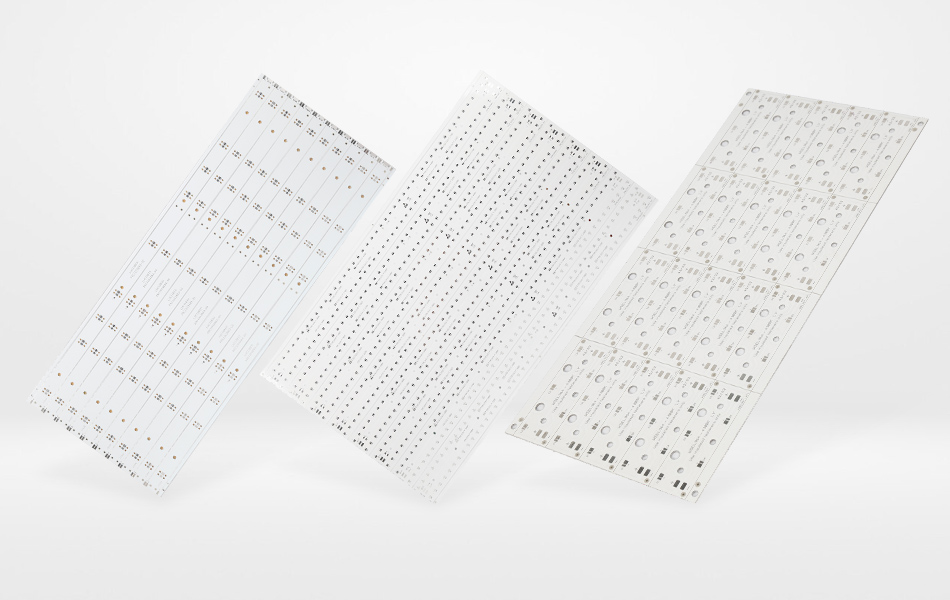
Applications Benefiting from 1.5W/mK Thermal Conductive PCBs
Consumer Electronics
LED Lighting: Compact fixtures (e.g., smart bulbs, under-cabinet lighting) generate localized heat that FR-4 struggles to dissipate. These PCBs prevent LED lumen depreciation and extend lifespan.
Portable Devices: Tablets, gaming handhelds, and wearables use 1.5W/mK PCBs to manage heat from processors and batteries without adding bulk.
Home Appliances: Control boards in microwaves, coffee makers, and smart thermostats rely on these PCBs to handle heat from motors and power regulators.
Medical Devices
Portable Diagnostics: Devices like blood glucose monitors and handheld ultrasound units require stable performance in temperature-sensitive environments. These PCBs prevent overheating during extended use.
Wearable Health Tech: Fitness trackers and heart rate monitors use flexible 1.5W/mK variants that conform to the body while managing heat from sensors and wireless modules.
Industrial and IoT Systems
Sensors and Actuators: Industrial sensors (temperature, pressure) deployed in enclosed machinery benefit from improved heat dissipation, ensuring measurement accuracy.
IoT Gateways: Compact communication hubs handling data processing and wireless transmission use these PCBs to manage heat from microcontrollers and radio modules.
Automotive Electronics: Non-critical systems like infotainment displays and interior lighting leverage 1.5W/mK PCBs to balance cost and thermal reliability in vehicle cabins.
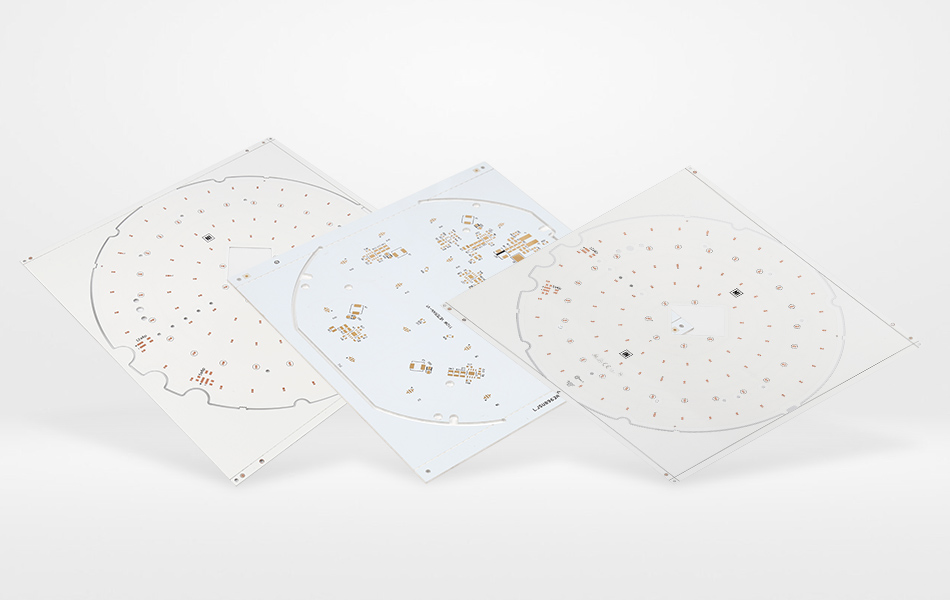
Manufacturing Considerations for 1.5W/mK PCBs
Production Compatibility
Manufacturers benefit from streamlined integration with existing workflows:
Lamination: Ceramic-polymer prepregs are laminated under heat and pressure, mirroring standard PCB lamination processes.
Patterning: Copper etching and circuit definition follow conventional photolithography techniques, requiring no specialized equipment.
Testing: Quality control relies on established methods, including thermal imaging to verify uniform heat distribution and dielectric testing to ensure electrical safety.
Quality Control for Consistency
Maintaining stable thermal conductivity across production batches requires rigorous checks:
Material Homogeneity: X-ray fluorescence (XRF) and ultrasonic testing verify even distribution of ceramic fillers, preventing hotspots caused by uneven thermal pathways.
Thermal Mapping: Infrared cameras measure heat transfer across prototype PCBs, ensuring compliance with 1.5W/mK specifications.
Environmental Testing: Samples undergo thermal cycling (-40°C to 125°C) and humidity exposure to validate performance stability over time.
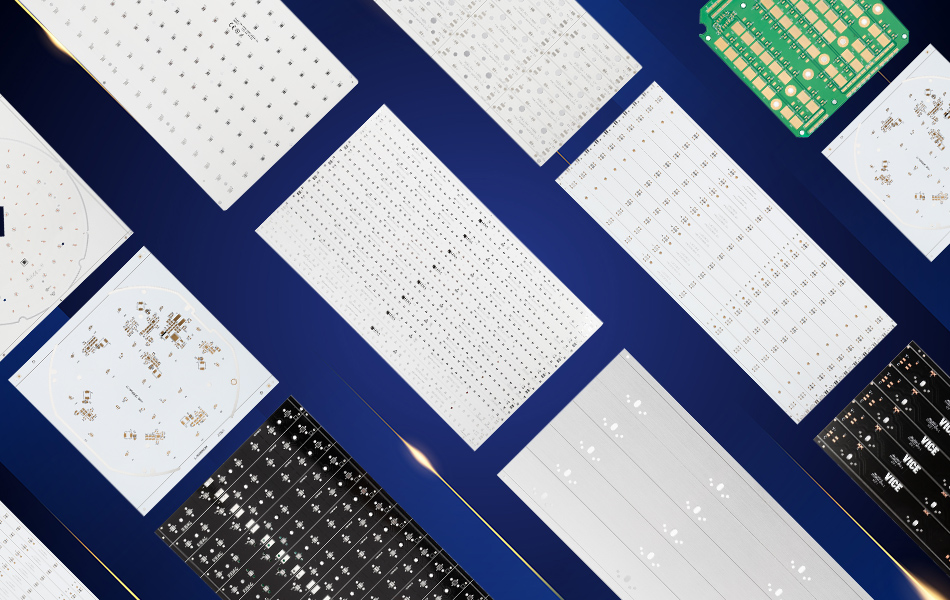
Selection Criteria for 1.5W/mK Thermal Conductive PCBs
Application-Specific Requirements
When choosing these PCBs, engineers should evaluate:
Operating Temperature Range: Ensure the substrate’s glass transition temperature (Tg) exceeds the maximum expected ambient temperature to prevent material degradation.
Mechanical Stress: Flexible applications demand polyimide-based composites, while rigid designs may use epoxy-ceramic blends for enhanced durability.
Electrical Needs: High-frequency applications (e.g., wireless chargers) require low dielectric loss, favoring polyimide over epoxy matrices.
Cost Constraints: While more affordable than metal-core PCBs, 1.5W/mK variants still carry a premium over FR-4; balance thermal needs against budget limitations.
Avoiding Over-Engineering
A common pitfall is specifying higher thermal conductivity than necessary. For example:
Low-power sensors generating minimal heat may perform adequately with FR-4, avoiding unnecessary cost.
Extreme thermal loads (e.g., high-power inverters) require metal-core or advanced ceramic PCBs, where 1.5W/mK solutions would be insufficient.
Engineers should conduct thermal simulations early in design to validate that 1.5W/mK PCBs meet heat dissipation requirements before finalizing material selections.
Future Innovations in 1.5W/mK PCB Technology
Material Advancements
Research is focused on enhancing performance while maintaining affordability:
Nano-Filler Integration: Carbon nanotubes (CNTs) and graphene nanoplatelets are being tested as supplements to ceramic fillers, aiming to boost thermal conductivity to 2–3W/mK without sacrificing other properties.
Sustainable Composites: Bio-based polymers derived from plant oils are being blended with ceramics, reducing environmental impact while retaining thermal performance.
Self-Healing Polymers: Experimental matrices with microcapsule-based healing agents repair small cracks caused by thermal cycling, extending PCB lifespan in harsh environments.
Manufacturing Evolution
Process innovations aim to expand applicability:
Additive Manufacturing: 3D-printed prototypes allow rapid iteration of thermal pathways, optimizing heat flow for custom designs.
Roll-to-Roll Production: Continuous manufacturing lines for flexible 1.5W/mK PCBs are reducing costs for high-volume applications like wearable tech.
Conclusion
1.5W/mK thermal conductive PCBs represent a pragmatic solution in the thermal management landscape, offering a critical upgrade from traditional FR-4 without the complexity and cost of high-end thermal materials. Their unique balance of thermal performance, electrical insulation, and affordability makes them indispensable in consumer electronics, medical devices, and industrial systems where heat management directly impacts reliability and performance.
As material science advances, these PCBs will likely see further improvements in thermal conductivity, flexibility, and sustainability, solidifying their role as a go-to solution for moderate-heat applications. For engineers and manufacturers, understanding their capabilities and limitations is key to leveraging them effectively in the next generation of electronic devices.

Got project ready to assembly? Contact us: info@apollopcb.com



 Whatsapp 0086 755 29438407
 Mail info@apollopcb.com
 Tel 0086 755 29438407


ABOUT US

PRODUCTS
TECHNOLOGY
KNOWLEDGE CENTRE
CULTURE
NEWS
We're not around but we still want to hear from you! Leave us a note:

Leave Message to APOLLOPCB
