




-
- PCB TYPE
- PRINTED CIRCUIT BOARD PROTOTYPE ALUMINUM PRINTED CIRCUIT BOARD R&F PCB FPC HIGH FREQUENCY PCB HIGH-TG PCB HEAVY COPPER PCB HDI PCB PCB FOR LIGHTING METAL CORE PCB


time:Dec 11. 2025, 12:53:17
Batteries serve as the backbone of modern energy systems, spanning lithium-ion, lead-acid, nickel-metal hydride, and emerging solid-state variants, with applications ranging from consumer electronics and electric vehicles (EVs) to industrial energy storage and renewable energy integration. A professional Batteries FPC Manufacturer distinguishes itself by delivering flexible printed circuits (FPCs) that adapt to the unique operational requirements of diverse battery types, while emphasizing modular integration and system-level compatibility. Unlike niche FPC suppliers focused on single battery categories, these manufacturers excel in cross-battery-type customization, enabling seamless connectivity between battery cells, management systems, and end-use devices. For brands operating across multiple battery-powered sectors, partnering with a versatile Batteries FPC Manufacturer is critical to streamlining supply chains, ensuring product consistency, and driving innovation in energy storage solutions.
The core competitiveness of a top Batteries FPC Manufacturer lies in its ability to tailor FPC solutions to the distinct characteristics of various battery technologies:
Multi-Chemistry Battery Adaptation: Different battery chemistries demand specific FPC performance traits. For high-energy-density lithium-ion batteries (EVs, portable electronics), manufacturers design low-resistance, heat-dissipating FPCs to support high-rate charging/discharging. For lead-acid batteries (industrial backup power), they develop ruggedized FPCs with corrosion-resistant materials to withstand harsh operational environments. For emerging solid-state batteries, they engineer ultra-thin, flexible FPCs compatible with new cell structures and electrolyte systems.
Form Factor Optimization for Diverse Applications: Battery-powered devices vary widely in size and shape, from compact wearables to large-scale energy storage packs. Manufacturers optimize FPC dimensions, layer counts, and bending radii to fit constrained spaces (e.g., ultra-slim FPCs for smartwatch batteries) or cover large surface areas (e.g., modular FPC arrays for grid-scale storage). Rigid-flex FPC designs are also employed to balance flexibility with structural stability for complex battery pack configurations.
Function-Specific Integration: Depending on the application, battery FPCs require targeted functional integrations. This includes temperature and voltage sensing pads for battery management system (BMS) connectivity, surge protection circuits for industrial batteries, and low-power designs for portable electronics. Manufacturers seamlessly integrate these functions into FPC layouts, ensuring optimal performance without compromising compatibility.

Leading Batteries FPC Manufacturers go beyond component supply to enable system-level efficiency through modular design and collaborative engineering:
Modular FPC Platforms for Scalability: To support diverse battery pack sizes and configurations, manufacturers develop modular FPC platforms. These standardized yet customizable modules allow for quick adaptation to different cell counts and battery voltages, reducing development time for new battery products. Modular designs also simplify maintenance and replacement, enhancing the lifecycle efficiency of battery systems.
Co-Design with BMS & Device Manufacturers: Manufacturers collaborate closely with BMS developers and end-device engineers in the early design phase. They provide design-for-manufacturability (DFM) insights to optimize FPC-BMS integration, ensuring reliable data transmission and efficient power distribution. This collaborative approach minimizes design conflicts and accelerates the time-to-market of new battery-powered products.
Seamless Integration with Energy Systems: For industrial and renewable energy applications, Batteries FPC Manufacturers design FPCs that integrate with solar inverters, wind turbine energy storage systems, and smart grid components. These FPCs support high-voltage compatibility and stable signal transmission, enabling seamless energy flow between batteries and the broader energy ecosystem.
Aligning with global carbon neutrality goals, forward-looking Batteries FPC Manufacturers prioritize sustainable practices in production:
Eco-Friendly Material Adoption: Manufacturers replace traditional materials with sustainable alternatives, such as bio-based polyimide substrates, recyclable copper foils, and water-based adhesives. These materials reduce the environmental footprint of FPC production while maintaining the performance required for battery applications. They also ensure compliance with global green regulations such as RoHS and REACH.
Energy-Efficient Production Processes: By adopting low-energy-consumption equipment, optimizing production workflows, and implementing waste heat recovery systems, manufacturers reduce the carbon emissions of FPC manufacturing. Automated production lines minimize material waste, while recycling programs for production scrap (e.g., copper offcuts) promote a circular economy.
Low-Impact Packaging & Supply Chains: To extend sustainability across the value chain, manufacturers use recyclable packaging materials and optimize supply chain logistics to reduce transportation-related emissions. They also partner with raw material suppliers that adhere to sustainable sourcing practices, ensuring end-to-end environmental responsibility.
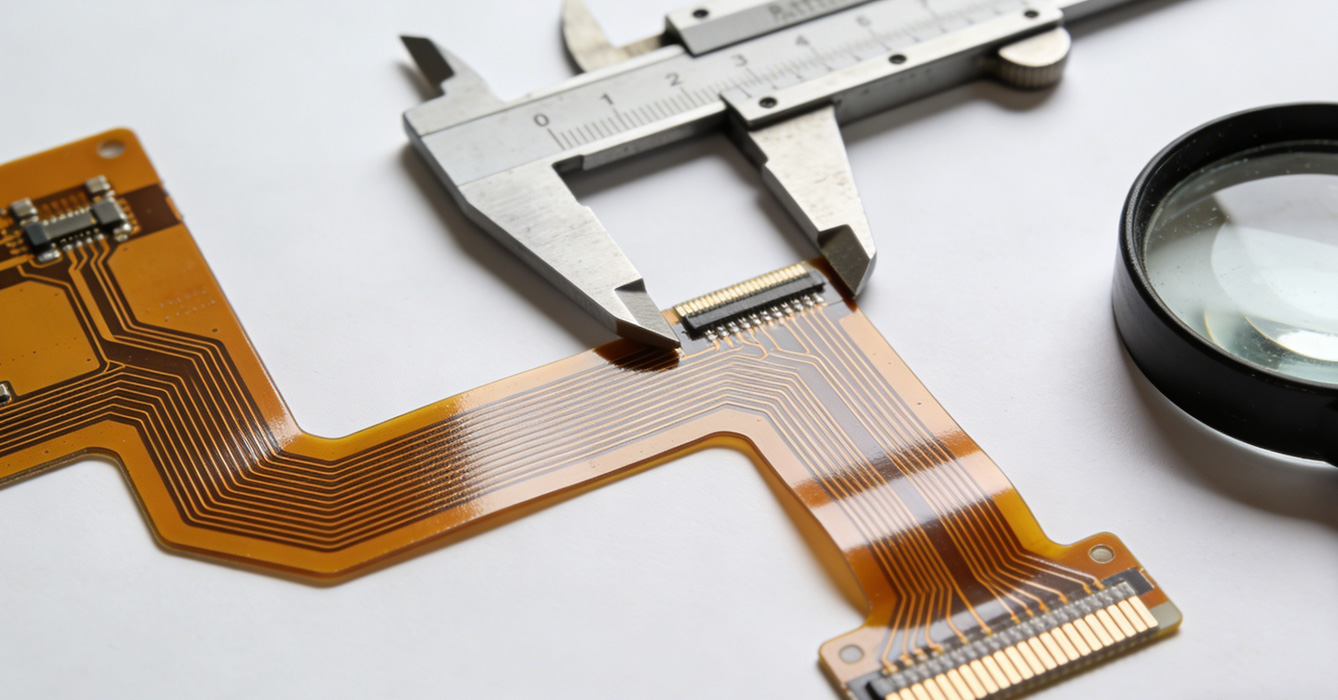
To ensure the reliability of battery systems, Batteries FPC Manufacturers implement rigorous quality control and comply with industry-specific standards:
- Battery-Specific Performance Testing: FPCs undergo targeted testing based on their application, including charge-discharge cycle testing, thermal cycling, vibration resistance, and insulation resistance testing. These tests validate the FPC’s durability and performance throughout the battery’s lifespan, ensuring it does not become a bottleneck in system reliability.
- Global Industry Standard Compliance: Manufacturers comply with international standards such as IPC-6012/2221 (FPC quality), IATF 16949 (automotive batteries), ISO 13485 (medical batteries), and IEC 62133 (general battery safety). This compliance ensures FPCs can be integrated into battery products for global markets, avoiding regulatory barriers.
- Full-Lifecycle Traceability: Implementing digital traceability systems, manufacturers track FPCs from raw material procurement to delivery. This system records production batches, test results, and compliance documentation, enabling rapid localization of quality issues and supporting regulatory audits.
In conclusion, a Batteries FPC Manufacturer is a key enabler of the diverse battery ecosystem, leveraging full-range customization, modular integration, and sustainable practices to support multiple battery types and applications. As the demand for efficient, reliable energy storage grows across consumer, industrial, and renewable sectors, the versatility and collaborative capabilities of these manufacturers become increasingly valuable. For brands seeking to innovate in battery technology while maintaining supply chain efficiency and sustainability, partnering with a professional Batteries FPC Manufacturer is a strategic investment in long-term success.
[Contact ApolloPCB Today for a Technical Consultation on Your Project]
Related Articles
Reliable PCB Manufacturer in China | High-Quality PCB & PCBA Solutions
Reliable PCB Manufacturer for Global Electronics Production
CEM3 PCB Manufacturer for Cost-Effective Industrial Electronics
LED Lighting FPC Manufacturer: Powering Versatile & Sustainable Lighting Innovations
Sinkpad PCB Manufacturer: Core Capabilities, Benchmark Cases, and Selection Criteria
Countersink Holes PCB Manufacturer: Precision & Quality

Got project ready to assembly? Contact us: info@apollopcb.com



 Whatsapp 0086 755 29438407
 Mail info@apollopcb.com
 Tel 0086 755 29438407


ABOUT US

PRODUCTS
TECHNOLOGY
KNOWLEDGE CENTRE
CULTURE
NEWS
We're not around but we still want to hear from you! Leave us a note:

Leave Message to APOLLOPCB
