




-
- PCB TYPE
- PRINTED CIRCUIT BOARD PROTOTYPE ALUMINUM PRINTED CIRCUIT BOARD R&F PCB FPC HIGH FREQUENCY PCB HIGH-TG PCB HEAVY COPPER PCB HDI PCB PCB FOR LIGHTING METAL CORE PCB


time:Dec 15. 2025, 20:08:08
In the era of advanced manufacturing, the demand for materials capable of withstanding extreme conditions—such as high temperatures, strong radiation, and harsh chemical environments—has become increasingly critical across strategic industries. High Temperature Polyimide Material, renowned for its exceptional thermal stability, chemical resistance, and mechanical integrity, has emerged as an irreplaceable core material in aerospace, semiconductor, and new energy storage sectors. Unlike conventional polymer materials that degrade under extreme stress, high temperature polyimide maintains consistent performance across a wide temperature range, enabling the development of high-reliability components in mission-critical applications. For industries pursuing technological breakthroughs in extreme environments, mastering the application and innovation of High Temperature Polyimide Material is key to gaining competitive advantages and advancing industrial upgrading.
The superior performance of High Temperature Polyimide Material stems from its unique molecular structure, which forms the basis for its resilience in extreme conditions:
- Thermal Stability Rooted in Chemical Bonds: The molecular backbone of high temperature polyimide consists of alternating aromatic heterocycles and imide groups, forming a rigid and stable chemical structure. This architecture enables the material to resist thermal degradation even in prolonged high-temperature exposure, maintaining mechanical and electrical properties without significant attenuation. Such thermal stability makes it an ideal choice for components operating in high-heat environments, from aerospace engine parts to semiconductor manufacturing equipment.
- Comprehensive Environmental Resistance: Beyond high-temperature tolerance, the molecular structure endows high temperature polyimide with excellent resistance to chemicals, radiation, and wear. It remains stable when exposed to harsh solvents, strong acids, and bases, and can withstand intense radiation in space or nuclear energy applications. This comprehensive environmental resistance eliminates material failure risks in complex operating conditions, ensuring long-term component reliability.
- Balanced Mechanical & Electrical Properties: Unlike many high-temperature materials that sacrifice mechanical flexibility for thermal stability, high temperature polyimide achieves a balance between rigidity and flexibility. It exhibits high tensile strength and creep resistance while maintaining sufficient ductility for complex forming processes. Additionally, it possesses inherent low dielectric properties and high insulation resistance, making it suitable for high-frequency electrical components in extreme temperature environments.
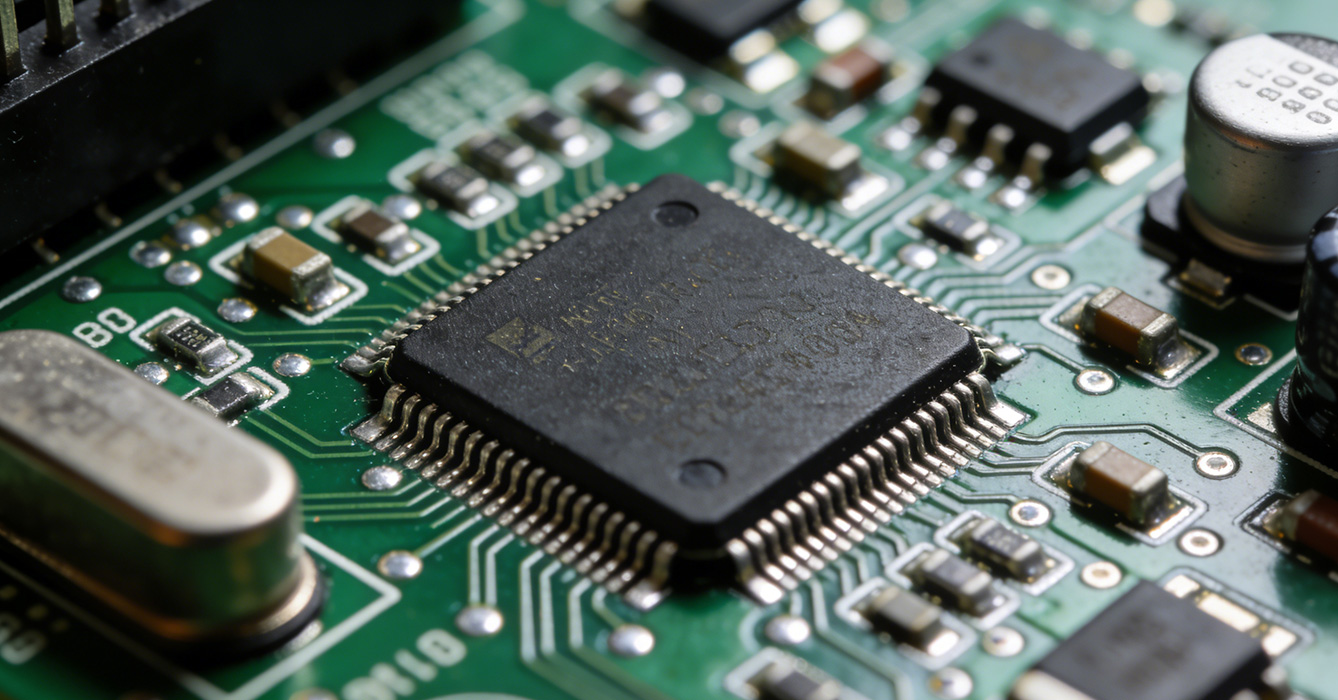
Continuous technological innovations are expanding the performance boundaries and application scope of High Temperature Polyimide Material, addressing traditional limitations through advanced molecular design and processing techniques:
- Low-Toxicity & High-Temperature Performance Optimization: Traditional high-temperature polyimide formulations often relied on toxic monomers, posing workplace safety risks. Recent innovations have focused on molecular architecture optimization, developing low-toxicity alternatives that retain or exceed the thermal performance of conventional materials. These new formulations eliminate the need for costly protective measures during manufacturing, expanding their application in commercial aerospace and industrial sectors.
- Self-Healing Mechanism Integration: Cutting-edge research has introduced self-healing capabilities into high temperature polyimide through molecular design. By incorporating specific functional groups, the material can autonomously repair micro-damage caused by electrical breakdown or mechanical stress, significantly enhancing component lifespan and reliability. This innovation is particularly valuable for high-value, hard-to-maintain components in energy storage and aerospace applications.
- Composite Material Synergy: Combining high temperature polyimide with carbon fibers or other reinforcing materials creates composites with superior strength-to-weight ratios. These composites retain the thermal stability of polyimide while achieving exceptional mechanical performance, enabling significant weight reduction in aerospace structures and high-temperature industrial equipment. Such synergistic materials are driving innovations in next-generation aircraft engines and reusable launch vehicles.
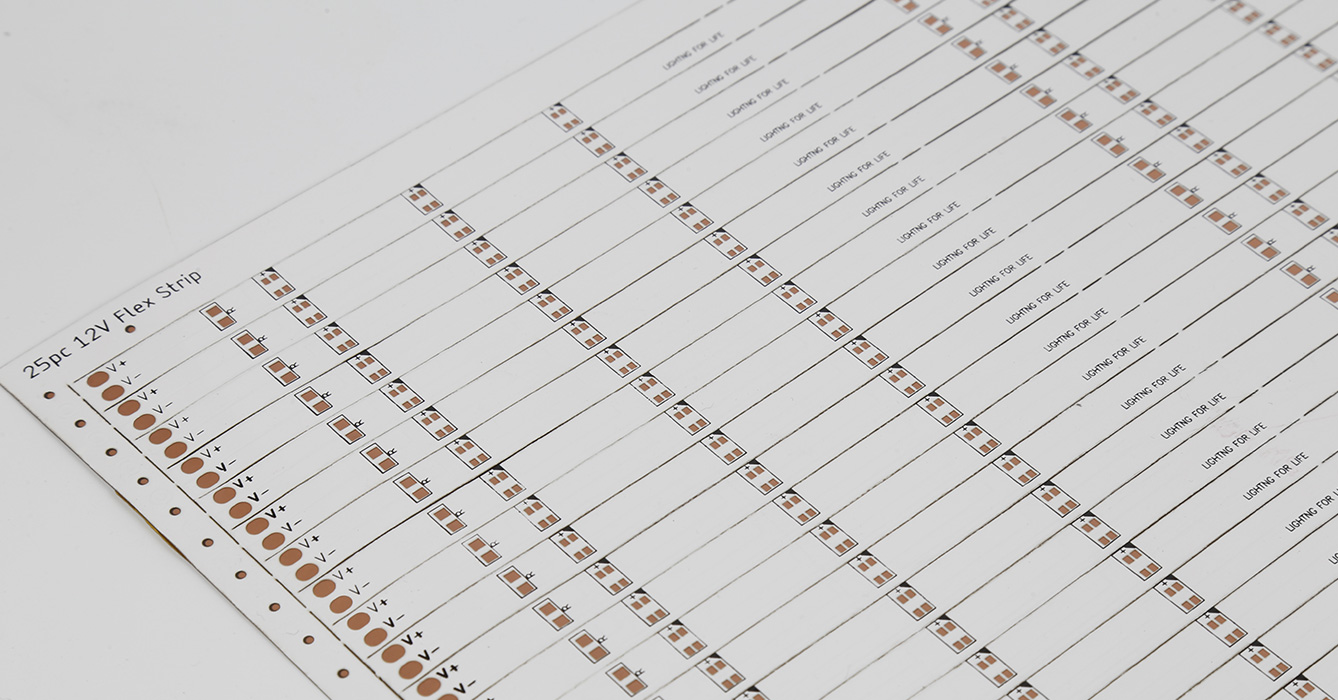
High Temperature Polyimide Material plays an irreplaceable role in advancing key strategic industries, enabling technological breakthroughs in extreme environment applications:
- Aerospace & Aviation: In aerospace, the material is used in engine components, thermal protection systems, and satellite structures. Its ability to withstand extreme temperatures and radiation ensures the reliability of critical systems during space missions and high-speed flight. Advanced composites based on high temperature polyimide contribute to reducing aircraft weight, improving fuel efficiency, and enhancing overall performance.
- Semiconductor & Electronics: The semiconductor industry relies on high temperature polyimide for photoresist matrices and advanced packaging materials. Its thermal stability and precise dimensional control support the high-temperature processes in chip manufacturing, while its low dielectric properties enable signal integrity in high-frequency circuits. This material is critical for advancing chip miniaturization and performance.
- New Energy Storage: In high-temperature energy storage systems—such as those used in renewable energy integration and electric vehicles—high temperature polyimide serves as a key dielectric material. Its thermal stability and self-healing capabilities ensure the safe and efficient operation of energy storage devices under extreme conditions, addressing a major bottleneck in the development of high-performance energy storage technologies.
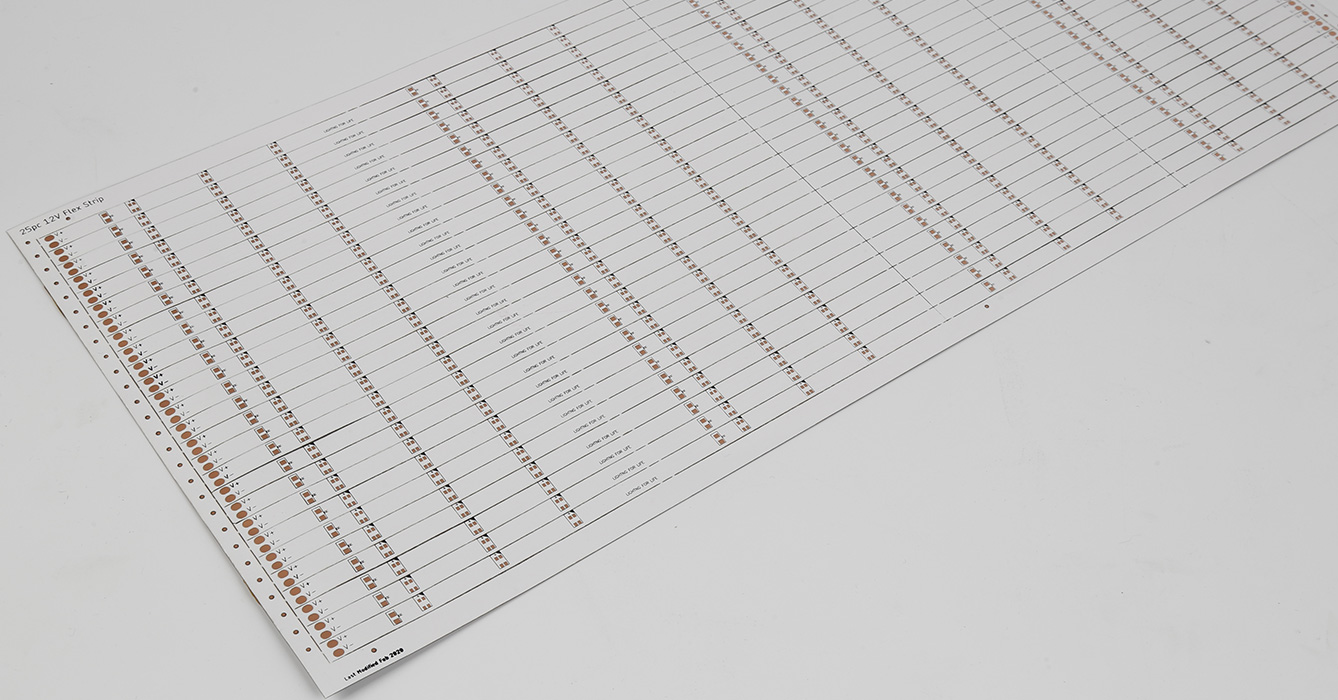
The future development of High Temperature Polyimide Material focuses on sustainable innovation and multifunctional integration to meet evolving industrial demands:
- Sustainable Manufacturing Processes: The industry is advancing environmentally friendly production methods, reducing energy consumption and toxic emissions through process optimization and green monomer development. This aligns with global carbon neutrality goals and expands the material's application in eco-conscious industries.
- Multifunctional Integration: Future innovations will integrate additional functionalities—such as sensing, thermal management, and electromagnetic shielding—into high temperature polyimide, creating smart materials that meet complex system requirements. This will further enhance its value in advanced manufacturing and emerging technologies.
- Cross-Industry Standardization: Establishing unified global standards for high temperature polyimide materials will facilitate cross-industry collaboration and accelerate technological iteration. Standardization will also improve material consistency and reduce application barriers, driving broader adoption across strategic sectors.
In conclusion, High Temperature Polyimide Material stands as a cornerstone of extreme environment-resilient manufacturing, with its unique molecular structure and continuous technological innovations enabling breakthroughs in aerospace, semiconductor, and new energy industries. As industries increasingly demand high-reliability materials for harsh operating conditions, the strategic value of high temperature polyimide will continue to rise. Embracing sustainable and multifunctional development trends will further solidify its position as a critical enabler of advanced manufacturing and technological progress.

Got project ready to assembly? Contact us: info@apollopcb.com



 Whatsapp 0086 755 29438407
 Mail info@apollopcb.com
 Tel 0086 755 29438407


ABOUT US

PRODUCTS
TECHNOLOGY
KNOWLEDGE CENTRE
CULTURE
NEWS
We're not around but we still want to hear from you! Leave us a note:

Leave Message to APOLLOPCB
