




-
- PCB TYPE
- PRINTED CIRCUIT BOARD PROTOTYPE ALUMINUM PRINTED CIRCUIT BOARD R&F PCB FPC HIGH FREQUENCY PCB HIGH-TG PCB HEAVY COPPER PCB HDI PCB PCB FOR LIGHTING METAL CORE PCB


time:Nov 10. 2025, 15:30:43
Low-Cost China PCB Assembly has long been a cornerstone for businesses worldwide seeking to optimize manufacturing budgets without compromising core quality. Unlike generic "budget" assembly services that cut corners on materials or compliance, reputable low-cost Chinese PCB assemblers leverage unique market advantages—supply chain density, economies of scale, and lean production—to deliver cost-efficient solutions for cost-sensitive applications. These services cater to a wide range of clients, from startups testing prototype iterations to SME scaling production of consumer electronics, industrial sensors, and IoT devices. The key distinction of low-cost China PCB assembly lies in strategic cost optimization: reducing unnecessary expenses (e.g., redundant logistics, over-spec’d materials) while upholding critical quality standards and delivery timelines. This article explores the drivers of cost efficiency, quality safeguards, target applications, and how these services add value to global supply chains.
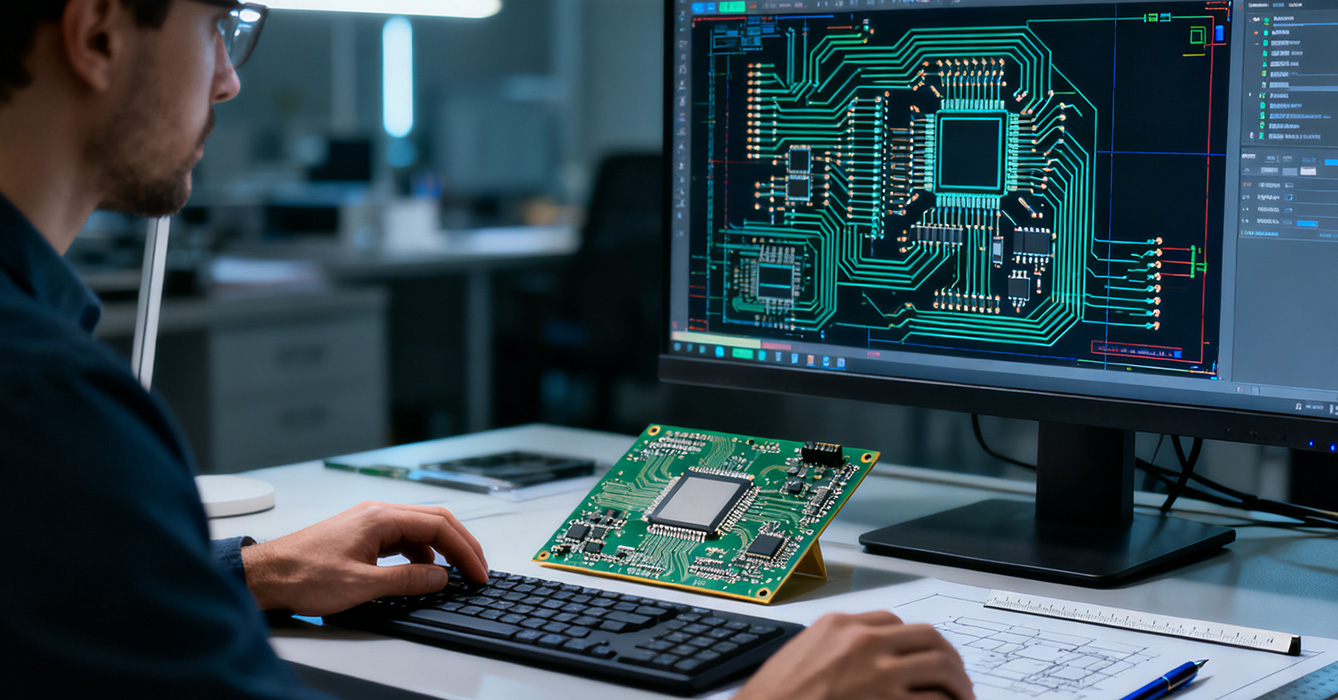
Low-cost Chinese PCB assemblers achieve affordability through four interconnected strategies, each rooted in China’s manufacturing ecosystem:
- Supply Chain Cluster Advantage: Proximity to China’s electronics component hubs (e.g., Shenzhen, Guangzhou) lets assemblers source resistors, capacitors, and common ICs directly from manufacturers—eliminating middlemen markups. This regional clustering also reduces logistics costs and lead times for material procurement, cutting overall production costs by 15–25% compared to non-hub locations.
- Economies of Scale & Lean Production: High-volume production facilities (handling millions of PCBs monthly) spread fixed costs across more units, lowering per-unit assembly prices. Lean manufacturing practices—such as just-in-time (JIT) material delivery and waste reduction in solder paste/energy use—further trim inefficiencies without impacting quality.
- Flexible Production Configurations: Assemblers offer modular service packages, letting clients pay only for essential processes. For example, a startup may opt for basic SMT assembly + visual inspection instead of advanced X-ray testing, while retaining the option to upgrade as orders scale. This flexibility avoids overpaying for unused services.
- Optimized Labor & Automation Mix: A balanced blend of skilled labor and targeted automation (e.g., pick-and-place machines for high-volume components, manual assembly for complex odd-form parts) reduces labor costs without sacrificing precision. This mix is particularly effective for mid-volume runs where full automation would be cost-prohibitive.
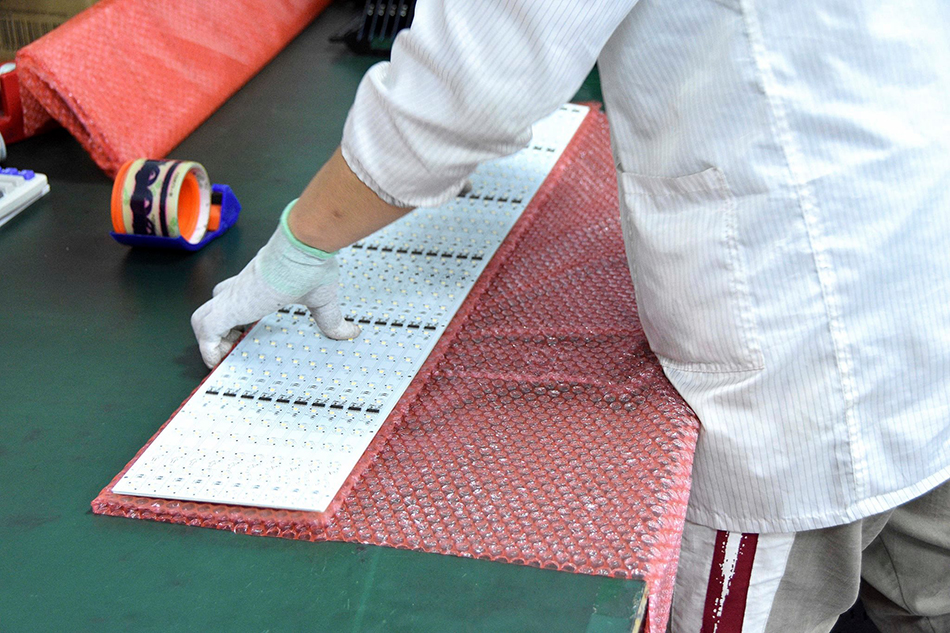
Reputable low-cost China PCB assemblers prioritize quality to build long-term client trust, implementing these critical safeguards:
Even at lower price points, assemblers adhere to industry basics: IPC-A-610 for assembly acceptability, RoHS for lead-free compliance, and ISO 9001 for quality management. These standards ensure assemblies meet minimum performance thresholds, preventing costly reworks or failures in the field.
Testing is scaled to application needs: automated optical inspection (AOI) for solder defects in high-volume runs, in-circuit testing (ICT) for connectivity checks, and functional testing for critical components. This "right-sized" testing approach avoids the cost of over-testing while catching major defects.
Assemblers use qualified component suppliers and provide material certificates upon request, ensuring no substitution of counterfeit or substandard parts. This transparency mitigates the risk of hidden costs from component failures.
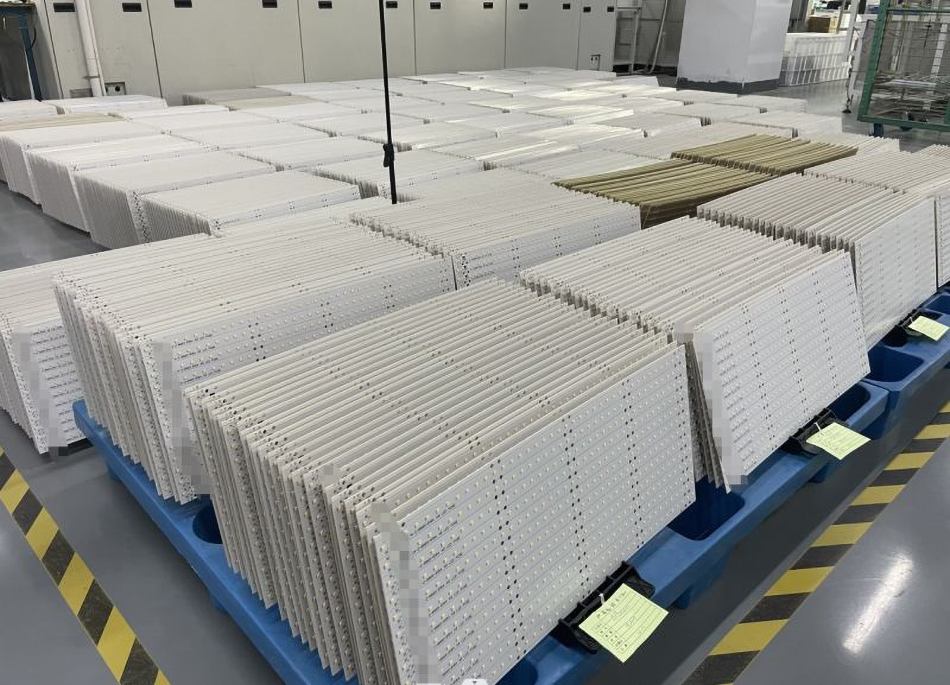
These services excel in cost-sensitive, high-margin or high-volume applications:
Low-cost assembly supports production of entry-level wearables, smart home sensors, and promotional electronics—where price competitiveness directly impacts market share. Assemblers handle high-volume runs with consistent quality, aligning with the short product lifecycles of these devices.
Startups benefit from low minimum order quantities (MOQs) and quick-turn prototypes, enabling them to test designs without large upfront investments. Many assemblers offer "prototype-to-production" continuity, letting startups scale seamlessly as they secure funding.
Cost-efficient assembly for low-complexity sensors (e.g., temperature, humidity monitors) used in industrial IoT or agricultural tech. These devices require reliable basic functionality but not ultra-precision, making low-cost assembly an ideal fit.
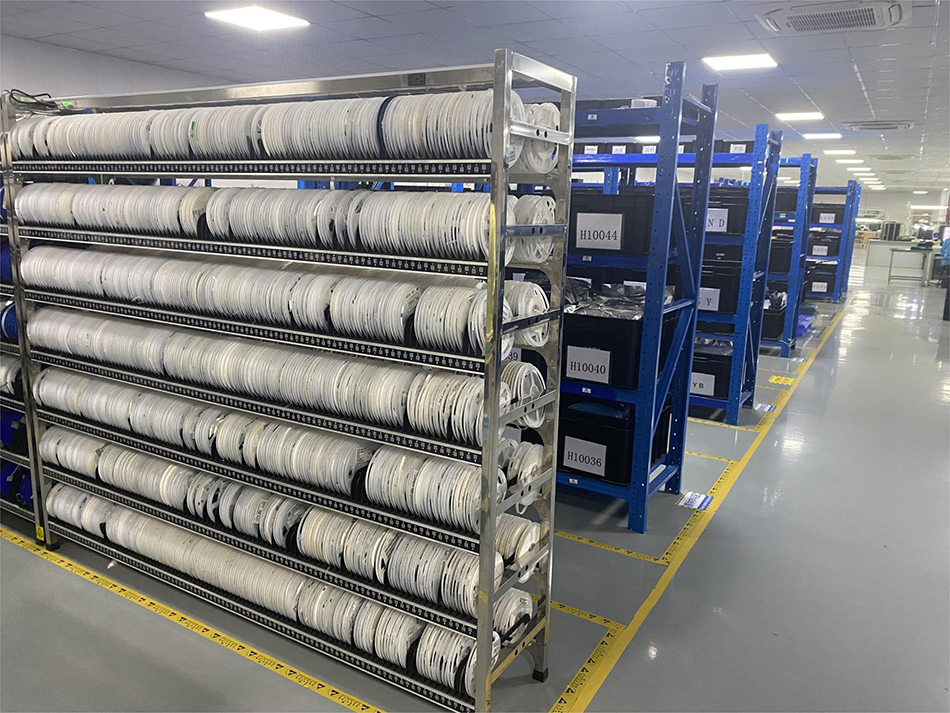
The sector is evolving to meet global demands for sustainability and digitalization while maintaining affordability:
- Digital Cost Optimization: AI-driven production planning tools reduce setup times and material waste, further lowering per-unit costs.
- Green Low-Cost Manufacturing: Adoption of energy-efficient equipment and recycled solder materials aligns cost savings with client ESG goals.
- Regionalized Cost Hubs: Expansion of low-cost assembly facilities in inland China (e.g., Chongqing, Chengdu) leverages lower local costs while maintaining supply chain access.
Low-Cost China PCB Assembly is not about sacrificing quality for price—it’s about strategic cost optimization that delivers value for cost-sensitive applications. By leveraging supply chain clusters, economies of scale, and flexible service models, Chinese assemblers help businesses stay competitive in price-driven markets while upholding critical quality standards. As the industry integrates digital and sustainable practices, low-cost China PCB assembly will remain a vital resource for startups, SMEs, and global brands alike—proving that affordability and reliability can coexist to drive manufacturing efficiency.

Got project ready to assembly? Contact us: info@apollopcb.com



 Whatsapp 0086 755 29438407
 Mail info@apollopcb.com
 Tel 0086 755 29438407


ABOUT US

PRODUCTS
TECHNOLOGY
KNOWLEDGE CENTRE
CULTURE
NEWS
We're not around but we still want to hear from you! Leave us a note:

Leave Message to APOLLOPCB
