




-
- PCB TYPE
- PRINTED CIRCUIT BOARD PROTOTYPE ALUMINUM PRINTED CIRCUIT BOARD R&F PCB FPC HIGH FREQUENCY PCB HIGH-TG PCB HEAVY COPPER PCB HDI PCB PCB FOR LIGHTING METAL CORE PCB


time:Jun 10. 2025, 10:23:34
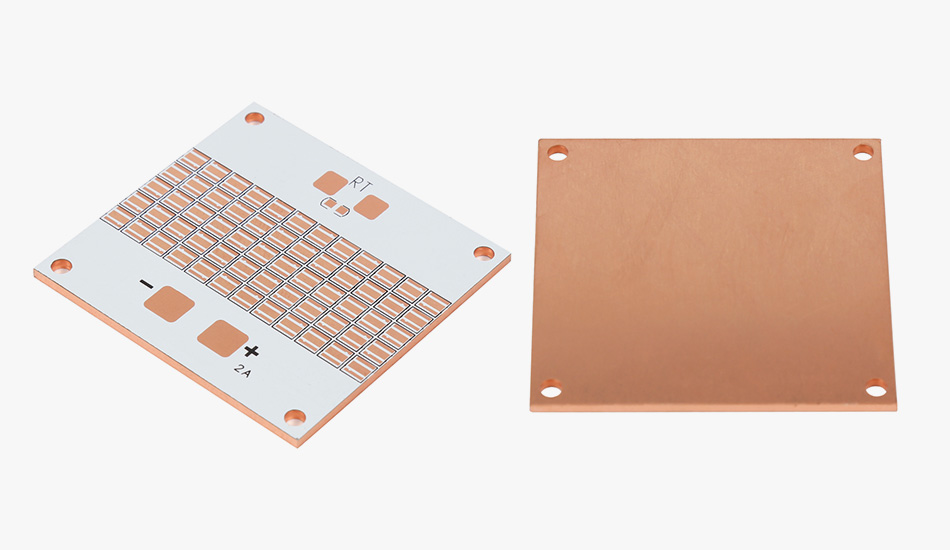
In the rapidly evolving electronics industry, Printed Circuit Boards (PCBs) are the essential foundation for integrating electronic components. Among them, Metal Core PCBs have emerged as a transformative technology, especially in applications demanding efficient thermal management. This article comprehensively explores Metal Core PCBs, covering their structure, types, advantages, applications, design considerations, manufacturing processes, challenges, and future trends, enabling electronics professionals to maximize their utility.
Structure and Components of Metal Core PCBs
The Metal Core
The metal core is the key feature of Metal Core PCBs, commonly fabricated from aluminum, copper, or steel alloys, each serving distinct purposes.
Aluminum Cores: Widely adopted for its cost - effectiveness, aluminum offers good thermal conductivity, far surpassing traditional substrates like FR - 4. It efficiently dissipates heat generated by components, while its lightweight nature benefits portable and aerospace applications. Additionally, it provides mechanical stability, enhancing the PCB's resistance to physical stress.
Copper Cores: With even higher thermal conductivity, copper cores are ideal for high - power scenarios, such as electric vehicle power electronics. Their excellent electrical conductivity can also boost electrical performance, though their higher cost restricts use in budget - sensitive projects.
Steel Alloy Cores: Utilized when mechanical strength is paramount, steel alloy cores offer durability in harsh environments, like industrial machinery or military equipment, despite their lower thermal conductivity.
The Insulating Layer
Positioned between the metal core and the copper layer, the insulating layer has a dual function.
Electrical Isolation: Composed of high - resistivity dielectric materials, it prevents short - circuits by separating the metal core from components, with high breakdown voltages to withstand electrical stresses.
Thermal Conductivity: It also facilitates heat transfer from components to the metal core. Balancing its thickness is crucial, as a thinner layer enhances heat transfer but risks electrical isolation, while a thicker layer prioritizes insulation at the expense of thermal performance.
The Conductive Copper Layer
This layer is crucial for electrical connectivity.
Component Mounting and Circuit Formation: Components are mounted here, and etched copper traces form the electrical circuit. Designers must consider factors like current - carrying capacity, signal integrity, and impedance matching for proper circuit operation.
Copper Thickness Considerations: Thicker copper layers suit high - current applications, reducing resistance, while thinner layers suffice for low - power circuits. The choice impacts both cost and PCB weight.
Types of Metal Core PCBs
Single - Layer Metal Core PCBs
The simplest type, featuring a single copper layer on one side of the metal core, separated by an insulating layer.
Construction and Function: Ideal for basic thermal management in simple circuits, like small LED lighting fixtures. Their single - layer design makes them cost - effective to produce.
Advantages and Limitations: They are simple and inexpensive but lack the complexity to support advanced circuit designs or high - component integration.
Double - Layer Metal Core PCBs
With two copper layers on either side of the metal core, separated by insulating layers.
Construction and Function: Enables more complex circuit designs, better component integration, and efficient signal routing, used in automotive lighting and other applications requiring enhanced functionality.
Advantages and Limitations: Offer greater design flexibility and performance than single - layer PCBs but come with higher manufacturing costs and complexity.
Multilayer Metal Core PCBs
Consist of multiple alternating copper and insulating layers, with the metal core integrated within.
Construction and Function: Suited for highly complex circuits in advanced electronics, like high - end servers and aerospace electronics, allowing for dense component placement and intricate signal routing.
Advantages and Limitations: Provide superior performance and integration but are the most expensive and challenging to manufacture due to the complex lamination and alignment processes.
Advantages of Metal Core PCBs
Exceptional Thermal Management
Metal Core PCBs excel at dissipating heat generated by components, preventing overheating - a common cause of component failure. By maintaining lower operating temperatures, they enhance component lifespan and system reliability, crucial for high - power applications.
Mechanical Robustness
The metal core adds significant mechanical strength, making the PCB more resistant to physical damage, vibrations, and shocks. This durability is essential in harsh environments, such as automotive, industrial, and outdoor applications.
Electrical Performance Enhancement
The metal core can act as a ground plane, reducing electromagnetic interference (EMI) and improving electrical performance. It also provides a stable electrical reference, enhancing signal integrity in high - frequency and high - speed circuits.
Design Flexibility
Despite their specialized nature, Metal Core PCBs offer design flexibility. They can be customized in size, shape, and layer configuration to meet diverse application requirements, from compact consumer electronics to large - scale industrial systems.
Applications of Metal Core PCBs
LED Lighting
Widely used in LED lighting systems, Metal Core PCBs efficiently manage the heat generated by LEDs, ensuring consistent light output and extending LED lifespan. They are found in various fixtures, from residential bulbs to large - scale outdoor lighting.
Power Electronics
In power - conversion devices like inverters, converters, and power supplies, Metal Core PCBs handle high power levels and dissipate significant heat, enabling reliable operation and preventing component degradation.
Automotive Electronics
Automotive applications demand PCBs that can withstand harsh conditions. Metal Core PCBs are used in engine control units, lighting systems, and in - car entertainment systems, providing thermal and mechanical stability.
Consumer Electronics
In consumer devices such as smartphones, tablets, and gaming consoles, Metal Core PCBs help manage heat from high - performance components, improving device performance and user experience.
Aerospace and Defense
In these industries, where reliability and durability are critical, Metal Core PCBs are used in avionics systems, radar equipment, and military electronics, offering excellent thermal and mechanical properties.
Design Considerations for Metal Core PCBs
Thermal Design
Component Placement: Strategically position heat - generating components to maximize heat transfer to the metal core. Use thermal vias to enhance heat conduction and consider airflow for better heat dissipation.
Insulating Layer Selection: Choose an insulating material with optimal thermal and electrical properties and carefully determine its thickness to balance insulation and heat transfer.
Electrical Design
Trace Width and Spacing: Calculate appropriate trace dimensions based on current requirements to prevent overheating and ensure signal integrity.
Power Distribution and Grounding: Design a robust power distribution network and utilize the metal core as an effective ground plane to minimize EMI and improve electrical performance.
Mechanical Design
Board Shape and Size: Design the PCB to fit the application's mechanical constraints, considering factors like available space and component layout.
Mounting and Fastening: Ensure secure mounting to prevent vibrations and movement, which can affect component performance and PCB integrity.
Manufacturing Processes of Metal Core PCBs
Layer Preparation
Clean and treat the metal core, insulating layer material, and copper foil to ensure proper adhesion. Apply the insulating layer to the metal core and laminate the copper foil onto it.
Lamination
Use heat and pressure to bond the layers together, creating a uniform and stable structure. Precise control of lamination parameters is essential for quality.
Circuit Imaging and Etching
Employ photolithography to transfer the circuit design onto the copper layer. Etch away the unprotected copper to form the conductive traces and pads.
Drilling and Plating
Drill holes for component leads, vias, and mounting. Plate the holes with copper to establish electrical connections between layers and strengthen the holes.
Surface Finishing
Apply a surface finish, such as hot - air solder leveling, electroless nickel immersion gold, or organic solderability preservative, to protect the copper traces and facilitate component soldering.
Challenges and Solutions in Metal Core PCB Technology
Cost
The specialized materials and complex manufacturing processes of Metal Core PCBs can increase costs. Solutions include exploring cost - effective materials, optimizing manufacturing processes, and leveraging economies of scale through higher production volumes.
Thermal Expansion Mismatch
Differences in thermal expansion coefficients among the metal core, insulating layer, and copper layer can cause thermal stress and potential delamination. Mitigation strategies involve selecting materials with compatible coefficients and using thermal interface materials to reduce stress.
Design Complexity
Designing Metal Core PCBs requires expertise in thermal, electrical, and mechanical aspects. Designers can use specialized software tools for simulation and optimization, and collaborate with PCB manufacturers for guidance.
Future Trends in Metal Core PCBs
Miniaturization and High - Density Integration
As electronics become smaller and more powerful, Metal Core PCBs will evolve to support miniaturization and high - density component integration, enabling the development of compact, high - performance devices.
Integration with Smart Technologies
Metal Core PCBs will increasingly integrate with sensors, wireless communication modules, and microcontrollers, facilitating the creation of smart, connected electronic systems with enhanced functionality and remote management capabilities.
Sustainable Manufacturing
With growing environmental awareness, there will be a push for more sustainable manufacturing practices, including using recycled materials, reducing waste, and implementing energy - efficient processes in Metal Core PCB production.
Conclusion
Metal Core PCBs have significantly advanced electronic design and performance, offering superior thermal management, mechanical strength, and electrical capabilities. While facing challenges, ongoing technological advancements and industry trends promise to further enhance their capabilities. As the electronics industry continues to innovate, Metal Core PCBs will remain integral to the development of high - performance, reliable electronic systems across diverse sectors.

Got project ready to assembly? Contact us: info@apollopcb.com



 Whatsapp 0086 755 29438407
 Mail info@apollopcb.com
 Tel 0086 755 29438407


ABOUT US

PRODUCTS
TECHNOLOGY
KNOWLEDGE CENTRE
CULTURE
NEWS
We're not around but we still want to hear from you! Leave us a note:

Leave Message to APOLLOPCB
