




-
- PCB TYPE
- PRINTED CIRCUIT BOARD PROTOTYPE ALUMINUM PRINTED CIRCUIT BOARD R&F PCB FPC HIGH FREQUENCY PCB HIGH-TG PCB HEAVY COPPER PCB HDI PCB PCB FOR LIGHTING METAL CORE PCB


time:Nov 21. 2025, 14:23:38
Sinkpad PCB has evolved into a universal core component for high-power electronic systems, transcending niche application boundaries to become a linchpin of modern electrification and digitalization. Unlike standard PCBs that prioritize signal routing, sinkpad technology integrates specialized thermal management structures with robust electrical performance, addressing the critical challenge of concentrated heat dissipation in power-dense devices. From NEVs and industrial automation to consumer electronics and medical equipment, sinkpad PCBs enable the miniaturization, efficiency, and reliability of next-generation electronics. This article explores the latest global technological innovations, cross-industry application expansions, market dynamics, and future trajectories of sinkpad PCB, highlighting its role as a catalyst for technological advancement across sectors.
| Feature | Standard MCPCB | Apollo Sinkpad PCB | Performance Impact |
| Thermal Path | Through Dielectric Layer | Direct-to-Metal Contact | Zero thermal resistance at the dielectric |
| Conductivity | 1.0 - 4.0 W/m·K | Up to 400 W/m·K (Copper) | Dramatic temperature drop for high-power chips |
| Structure | Circuit - Dielectric - Base | Direct Solder Pad on Base | Prevents thermal throttling in LEDs |
| Ideal Power | 1W - 5W per LED | 10W - 100W+ per LED | Essential for automotive & industrial UV |
| Reliability | Moderate (Dielectric aging) | Extreme (Metal bonding) | Significantly extends product service life |
Global manufacturers and research institutions are pushing the boundaries of sinkpad PCB materials to balance thermal conductivity, weight, durability, and cost:
Nanomaterial-Reinforced Composites: Graphene-infused copper and carbon nanotube (CNT)-aluminum hybrids have emerged as game-changers, offering 30-40% higher thermal conductivity than pure metals while reducing weight by 20-25%. These materials are increasingly adopted in aerospace and portable high-power devices, where weight efficiency is paramount.
Ceramic-Metal Matrix Composites (CMMCs): Aluminum nitride (AlN) and silicon carbide (SiC) ceramic cores bonded with thin copper layers deliver exceptional thermal stability (operating temperatures up to 300°C) and dielectric strength, making them ideal for high-voltage industrial power electronics and electric vehicle powertrains.
Flexible Thermal Substrates: Polyimide-copper laminates with enhanced thermal conductivity (>200 W/(m·K)) enable conformal sinkpad PCBs, adapting to curved surfaces in wearable devices, automotive battery packs, and flexible industrial sensors.
Innovative structural designs are unlocking new levels of thermal and electrical performance:
3D-Printed Micro-Cooling Channels: Additive manufacturing technologies enable the integration of micro-scale liquid or air cooling channels directly within sinkpad cores, reducing thermal resistance by 40-50% compared to traditional passive designs. This innovation is critical for ultra-high-power applications like AI server GPUs and industrial inverters.
Hierarchical Thermal Paths: Multi-layered sinkpad structures with gradient copper thickness—thicker layers near heat sources, thinner layers for signal routing—optimize heat dissipation while maximizing routing density. This design balances thermal efficiency with space constraints in compact devices like smartphone fast-charging modules.
Integrated EMI Shielding: Sinkpad cores are engineered with built-in electromagnetic interference (EMI) shielding layers, eliminating the need for separate shielding components and reducing system complexity. This is particularly valuable for RF and high-frequency applications like 5G base station power amplifiers.
Industry 4.0 technologies are transforming sinkpad PCB production, enhancing precision, scalability, and reliability:
AI-Driven Process Optimization: Machine learning algorithms analyze real-time production data (e.g., lamination temperature, drilling speed, etching depth) to predict defects and adjust parameters dynamically, reducing scrap rates by 15-20% and improving batch-to-batch consistency.
Digital Twin Simulation: Virtual replicas of sinkpad PCB designs and production lines enable pre-production testing of thermal performance, mechanical stress, and electrical integrity, cutting development cycles by 30-35%.
Automated Inspection Technologies: High-resolution X-ray CT, ultrasonic testing, and AI-powered optical inspection (AOI) systems ensure 100% detection of internal defects (e.g., voids, delamination) and surface irregularities, meeting the strict quality requirements of critical applications like medical devices and aerospace electronics.
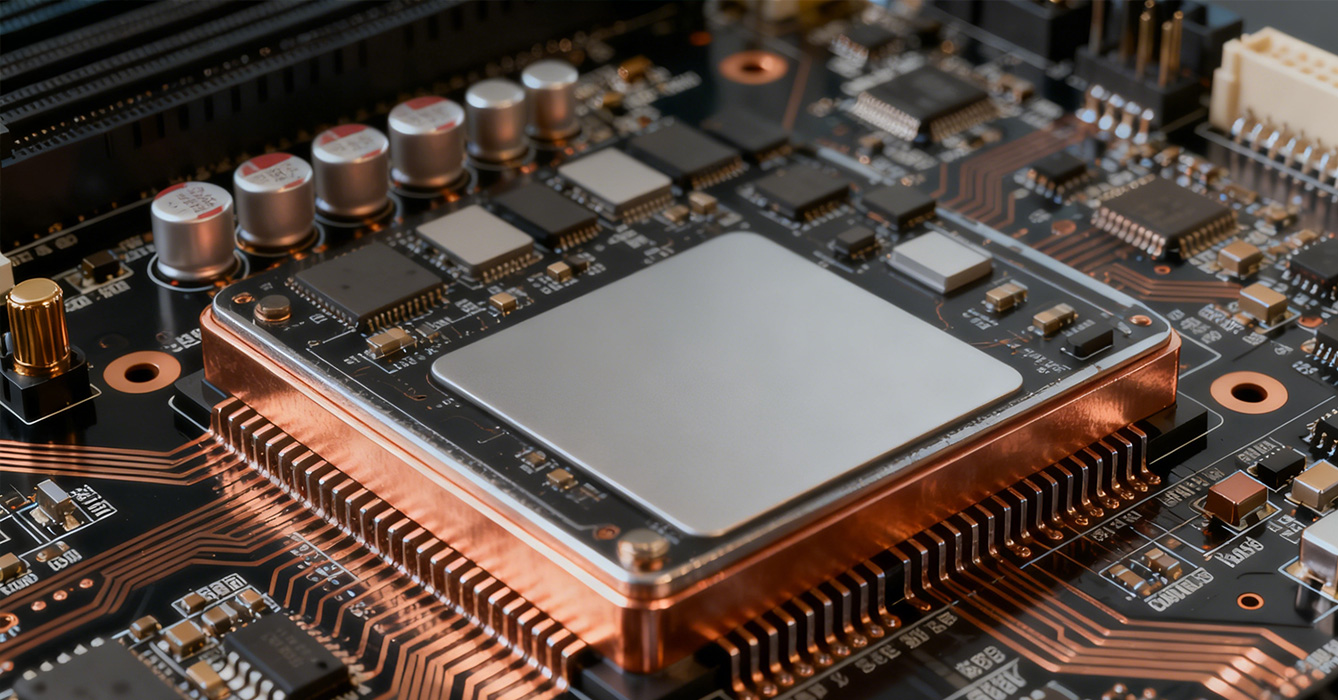
Sinkpad PCB’s versatility has driven its adoption across diverse high-power electronic sectors, each with tailored requirements:
On-Board Chargers (OBCs): Sinkpad PCBs with copper-aluminum hybrid cores handle high currents (200-400A) in fast-charging systems, reducing charging time while maintaining thermal stability.
Battery Management Systems (BMS): Conformal sinkpad PCBs monitor and balance battery cell temperatures, preventing thermal runaway and extending battery lifespan.
Electric Powertrains: Ceramic-copper sinkpad PCBs cool SiC and GaN power semiconductors in traction inverters, withstanding extreme temperatures (-40°C to 150°C) and vibration.
Industrial Inverters & Converters: Sinkpad PCBs with integrated cooling channels manage heat from high-power IGBTs and diodes in 100kW+ industrial systems, ensuring 24/7 operation with minimal downtime.
Motor Drives: Low-profile sinkpad designs enable compact motor drive units, reducing footprint while cooling high-current motor controllers in robotics and manufacturing equipment.
High-Power Charging Adapters: Sinkpad PCBs with thin-gauge copper cores (2-3oz) enable 65W+ fast chargers with slim form factors, dissipating heat efficiently without overheating.
Gaming Consoles & PCs: Copper-core sinkpad PCBs cool high-performance CPUs and GPUs, preventing thermal throttling and enhancing gaming performance.
Medical Imaging Equipment: Sinkpad PCBs with radiation-resistant materials cool high-power X-ray and MRI components, ensuring precise imaging while complying with medical safety standards.
Aerospace Power Systems: Lightweight, high-strength sinkpad PCBs with ceramic-copper cores power avionics and satellite systems, withstanding extreme temperature fluctuations and radiation in space.
Electrification of Transportation: The global shift toward EVs is a primary driver, with NEV production expected to reach 54 million units by 2030, boosting demand for automotive-grade sinkpad PCBs.
Industrial Automation & Robotics: The adoption of Industry 4.0 technologies is increasing the need for high-power, compact industrial electronics, driving sinkpad PCB growth in manufacturing sectors.
5G & 6G Infrastructure Deployment: The expansion of high-speed mobile networks requires power-dense base stations and repeaters, creating significant demand for low-loss, thermally efficient sinkpad PCBs.
Asia-Pacific Dominance: China, South Korea, and Japan lead the global sinkpad PCB market, accounting for 65-70% of production. Chinese manufacturers leverage complete industrial chains and cost advantages, while South Korean and Japanese firms focus on high-end, specialized applications (e.g., aerospace, medical).
North American & European Growth: Regional manufacturers are expanding production capacity to meet demand from EV makers and industrial automation firms, with a focus on sustainable and high-performance solutions.
Emerging Markets: Southeast Asia and India are emerging as manufacturing hubs, attracting investments from global electronics firms due to lower labor costs and growing local demand.
Eco-Friendly Materials: The use of recycled copper (99.85% purity) and bio-based dielectrics is increasing, reducing carbon footprints by 30-40% compared to traditional manufacturing.
Circular Manufacturing: Thermoelectric separation designs enable efficient material recovery from end-of-life sinkpad PCBs, supporting circular economy goals and reducing electronic waste.
Energy-Efficient Production: Solar-powered factories, waterless etching processes, and energy-saving equipment are becoming standard, aligning with global sustainability regulations (e.g., EU Green Deal, China’s "Dual Carbon" goals).
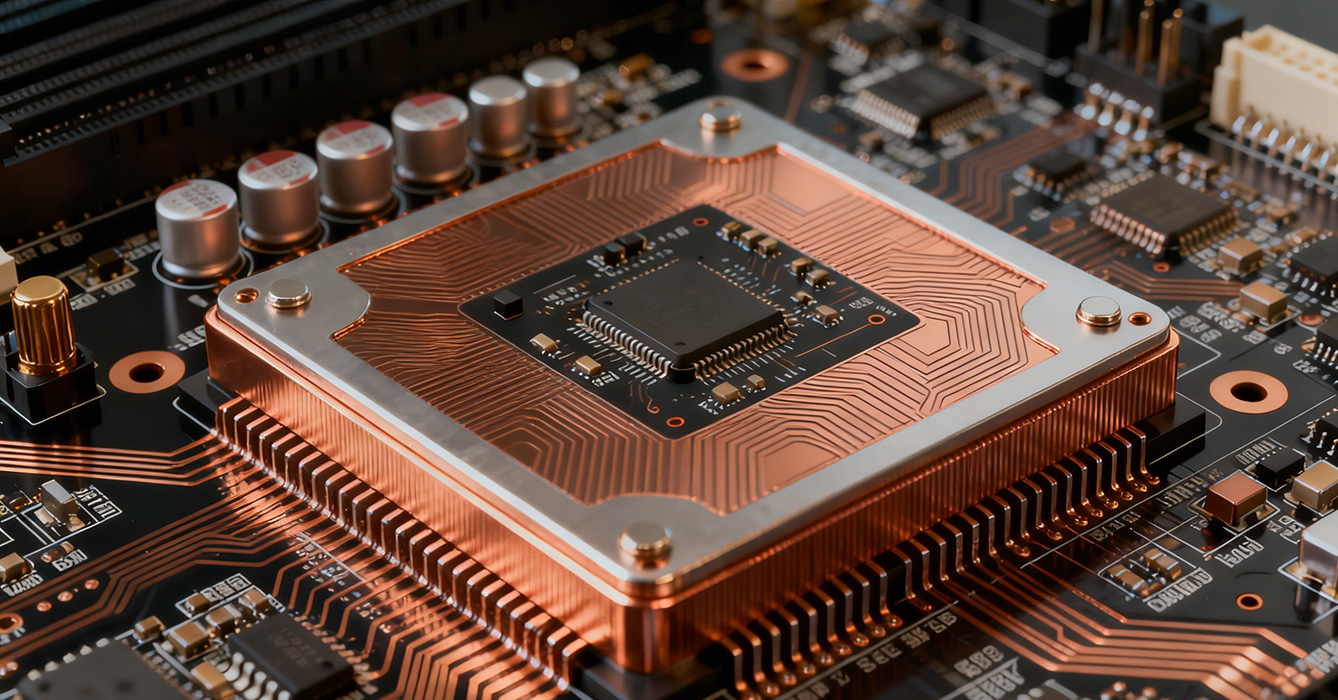
2D Material Integration: Transition metal dichalcogenides (TMDs) and MXenes are being explored for sinkpad cores, offering thermal conductivity exceeding 1000 W/(m·K) and enabling ultra-compact, high-power designs.
Self-Healing Polymers: Research into self-healing dielectric materials could extend sinkpad PCB lifespan by repairing micro-cracks caused by thermal cycling and mechanical stress.
Embedded Sensors & IoT Connectivity: Sinkpad PCBs will integrate temperature, strain, and humidity sensors with IoT connectivity, enabling real-time monitoring and predictive maintenance in critical applications.
Adaptive Thermal Management: Smart sinkpads with adjustable cooling channels or phase-change materials will dynamically respond to thermal loads, optimizing energy efficiency and performance.
Space-Grade Sinkpads: Radiation-hardened materials and low-outgassing dielectrics will support sinkpad PCB use in deep-space exploration and satellite systems.
High-Temperature Industrial Applications: Silicon carbide (SiC) and diamond-copper composite sinkpads will operate reliably at 400°C+, targeting industrial process control and geothermal energy systems.
Sinkpad PCB has evolved from a specialized thermal management component to a universal enabler of high-power, compact electronic systems across industries. Driven by global innovations in materials, structural design, and manufacturing, sinkpad PCBs are addressing the core challenges of electrification, digitalization, and sustainability. From EV powertrains and industrial automation to consumer electronics and aerospace, their versatility and performance make them indispensable for next-generation technologies. As the demand for higher power density, smaller form factors, and greener solutions continues to grow, sinkpad PCB technology will remain at the forefront of electronic innovation—shaping a more efficient, connected, and sustainable future. The global market’s focus on cross-domain integration, smart manufacturing, and sustainable practices will drive further advancements, solidifying sinkpad PCB’s role as a critical component in the electronics ecosystem.
[Contact ApolloPCB Today for a Free Review and Precision Quote]
Related Articles:
Sinkpad PCB: Zero-Dielectric-Resistance Thermal Management | ApolloPCB

Got project ready to assembly? Contact us: info@apollopcb.com



 Whatsapp 0086 755 29438407
 Mail info@apollopcb.com
 Tel 0086 755 29438407


ABOUT US

PRODUCTS
TECHNOLOGY
KNOWLEDGE CENTRE
CULTURE
NEWS
We're not around but we still want to hear from you! Leave us a note:

Leave Message to APOLLOPCB
