




-
- PCB TYPE
- PRINTED CIRCUIT BOARD PROTOTYPE ALUMINUM PRINTED CIRCUIT BOARD R&F PCB FPC HIGH FREQUENCY PCB HIGH-TG PCB HEAVY COPPER PCB HDI PCB PCB FOR LIGHTING METAL CORE PCB


time:Aug 18. 2025, 14:52:50
Thermal Conductive CEM3 PCB Material represents a strategic evolution of traditional Composite Epoxy Material-3 (CEM3), addressing one of the key limitations of standard CEM3: moderate thermal conductivity. By integrating thermal enhancement technologies into the classic CEM3 structure—retaining its non-woven glass core, woven glass outer layers, and epoxy matrix—this advanced material offers improved heat dissipation while preserving the cost-effectiveness and mechanical stability that make CEM3 a staple in electronics. Designed for applications where heat accumulation can compromise performance (but extreme thermal resistance is unnecessary), thermal conductive CEM3 bridges the gap between standard CEM3 and high-cost, high-thermal materials like metal-core PCBs (MCPCBs) or ceramic substrates. This article explores the composition, performance advantages, manufacturing innovations, and target applications of thermal conductive CEM3 PCB material, highlighting its role in enabling reliable operation in heat-sensitive devices.
Standard CEM3 excels in electrical insulation, mechanical stability, and flame resistance, but its epoxy matrix and glass fiber reinforcement inherently limit thermal conductivity. This can be a drawback in devices where even moderate heat generation—from components like small power transistors, LED drivers, or motor controllers—can lead to:
Performance Degradation: Elevated temperatures can reduce the efficiency of semiconductors, causing signal delays or voltage fluctuations in circuits.
Reduced Lifespan: Thermal cycling (repeated heating and cooling) can weaken solder joints and cause delamination, shortening PCB lifespan.
Safety Risks: In enclosed devices, heat buildup may exceed safety thresholds, even if the material meets flame resistance standards.
Thermal Conductive CEM3 PCB Material addresses these issues by improving heat transfer from hot components to the PCB edges or heat sinks, maintaining operating temperatures within safe limits without sacrificing CEM3’s core advantages.
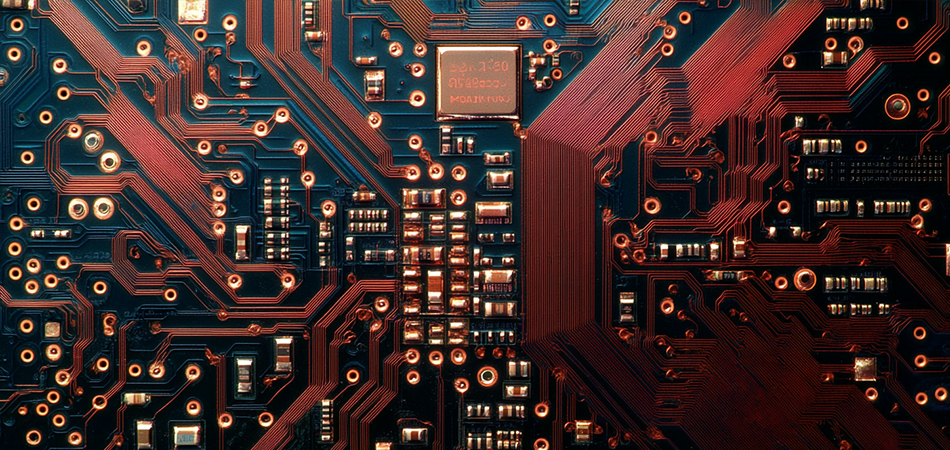
Thermal conductive CEM3 retains the hybrid structure of traditional CEM3 but incorporates targeted modifications to enhance heat dissipation:
The epoxy resin—historically a thermal insulator—is modified with thermally conductive fillers, such as:
Ceramic Particles: Aluminum oxide (Al₂O₃) or boron nitride (BN) particles, which improve thermal conductivity while maintaining electrical insulation. These fillers create a “thermal pathway” through the resin, allowing heat to flow more efficiently.
Graphene or Carbon Nanotubes: In small concentrations, these nanomaterials enhance thermal conductivity without compromising the resin’s adhesion to glass fibers or copper.
The filler concentration is carefully balanced: too little, and thermal performance gains are minimal; too much, and the resin may lose flexibility or adhesion, undermining mechanical stability.
While glass fibers themselves are not highly thermally conductive, their orientation and density in thermal conductive CEM3 are adjusted to:
Reduce Thermal Barriers: Ensuring the non-woven core and woven outer layers are free of voids, which can trap heat.
Align with Heat Flow Paths: Woven fabric layers are slightly adjusted to minimize resistance to heat moving from the PCB’s center (where components are mounted) to its edges.
Thicker copper foil (or copper with a textured surface) is sometimes used to improve heat spreading. Copper, a highly conductive material, distributes heat from hot components across the PCB surface, reducing hotspots. This complements the enhanced epoxy matrix, creating a synergistic effect in heat management.
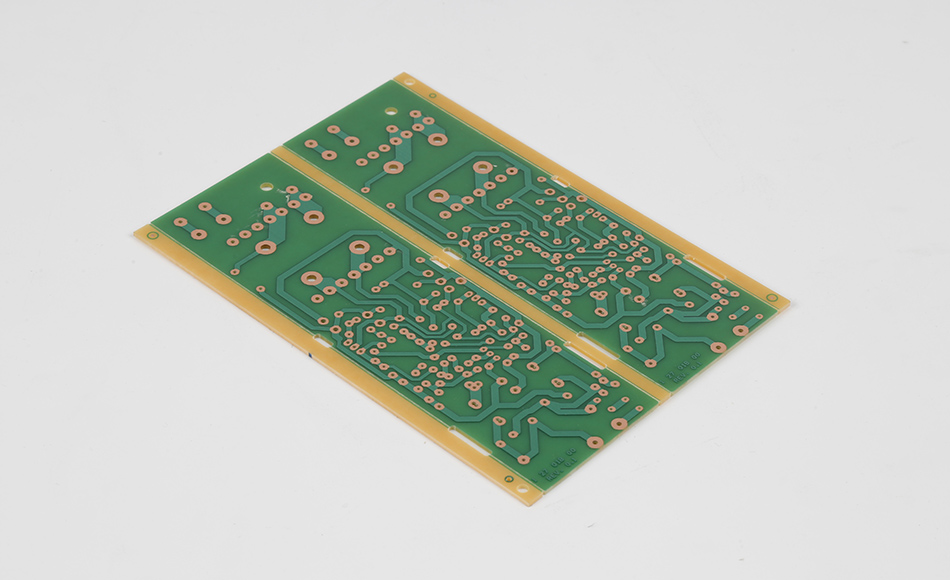
Thermal conductive CEM3 retains the practical advantages of standard CEM3 while delivering meaningful improvements in heat dissipation:
While not matching the conductivity of MCPCBs or ceramics, thermal conductive CEM3 typically offers 2–3 times better thermal conductivity than standard CEM3. This is sufficient to reduce operating temperatures by 10–20°C in devices with moderate heat generation—enough to prevent performance issues in applications like LED light fixtures or small motor controllers.
Mechanical Stability: The material retains sufficient flexural strength and dimensional stability to support standard components, resisting warping even under thermal stress.
Electrical Insulation: Thermally conductive fillers are chosen for their electrical insulating properties, ensuring dielectric strength and insulation resistance remain comparable to standard CEM3. This is critical for preventing short circuits in high-density designs.
Flame Resistance: Modifications preserve UL94 V-0 certification, ensuring safety in enclosed devices like consumer electronics or industrial control panels.
Thermal conductive CEM3 costs 10–20% more than standard CEM3 but remains 30–50% cheaper than MCPCBs or ceramic substrates. This makes it an economical choice for applications where heat management is important but extreme performance is unnecessary.
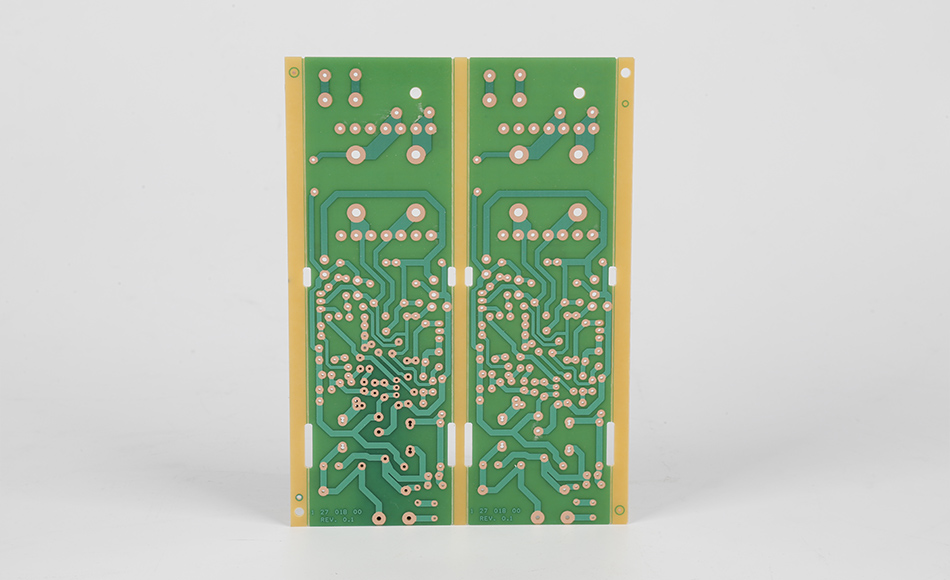
Producing thermal conductive CEM3 requires specialized processes to ensure uniform thermal performance and preserve material integrity:
The thermally conductive fillers must be evenly distributed in the epoxy resin to avoid creating thermal “hotspots” or weakening the matrix. Manufacturers use high-shear mixing or ultrasonic dispersion to break up filler agglomerates, ensuring consistent thermal conductivity across the material.
During lamination, heat and pressure are carefully controlled to:
Prevent Filler Migration: Ensuring fillers do not settle or cluster, which would create uneven thermal performance.
Maintain Bond Strength: The modified resin must adhere strongly to glass fibers and copper, requiring precise curing times and temperatures to avoid delamination.
Post-production, thermal conductive CEM3 undergoes specialized testing:
Thermal Imaging: Infrared cameras map heat distribution across the material when exposed to a controlled heat source, verifying uniform conductivity.
Thermal Resistance Measurements: Testing the material’s ability to transfer heat from a hot surface (simulating a component) to a heat sink.
These tests ensure the material meets thermal performance claims while maintaining mechanical and electrical properties.
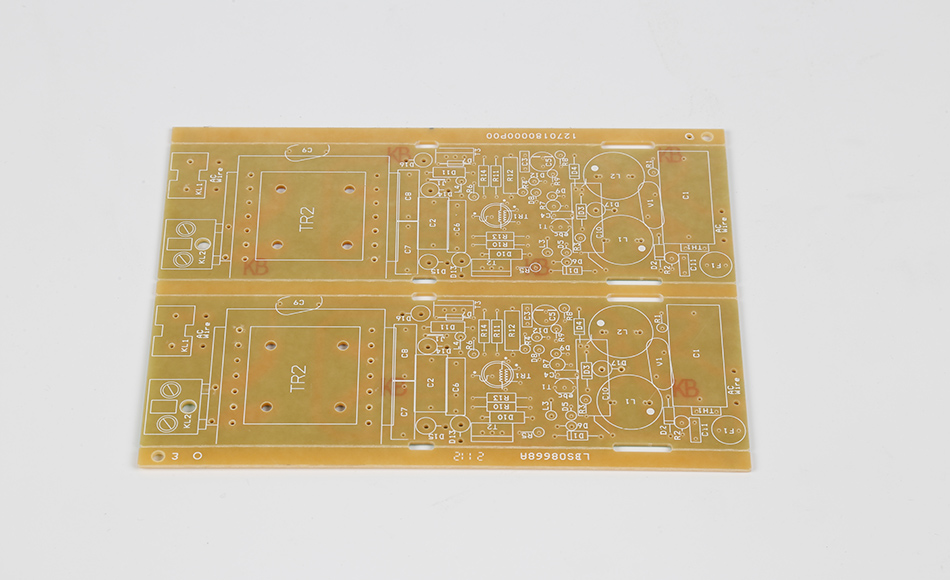
Thermal conductive CEM3 is ideal for devices with moderate heat generation, where standard CEM3 struggles but high-cost thermal materials are overkill:
Indoor Fixtures: LED drivers in ceiling lights or downlights generate steady heat. Thermal conductive CEM3 dissipates this heat, preventing driver efficiency loss and extending LED lifespan.
Automotive Lighting: Interior LEDs (e.g., dashboard or door lights) use thermal conductive CEM3 to manage heat in the confined space of vehicle cabins, ensuring reliable operation in temperature swings.
Power Adapters: Small AC-DC adapters for laptops or smartphones generate heat during operation. Thermal conductive CEM3 reduces case temperatures, improving user safety and preventing component degradation.
Home Appliances: Microwave control boards or air fryer sensors use the material to handle heat from nearby heating elements, ensuring consistent performance during extended use.
Small Motor Controllers: Controllers for fans, pumps, or conveyor belts generate heat during operation. Thermal conductive CEM3 prevents overheating, ensuring reliable motor speed regulation.
Sensor Nodes: Industrial sensors (e.g., for temperature or pressure) deployed in warm environments use the material to maintain accuracy, as sensor performance can degrade with heat.
HVAC Controls: Heater or air conditioner control modules in vehicles generate moderate heat. Thermal conductive CEM3 ensures these modules operate reliably, even in hot climates.
Infotainment Systems: Processors in car stereos or navigation units produce heat during use. The material dissipates this heat, preventing lag or shutdowns.
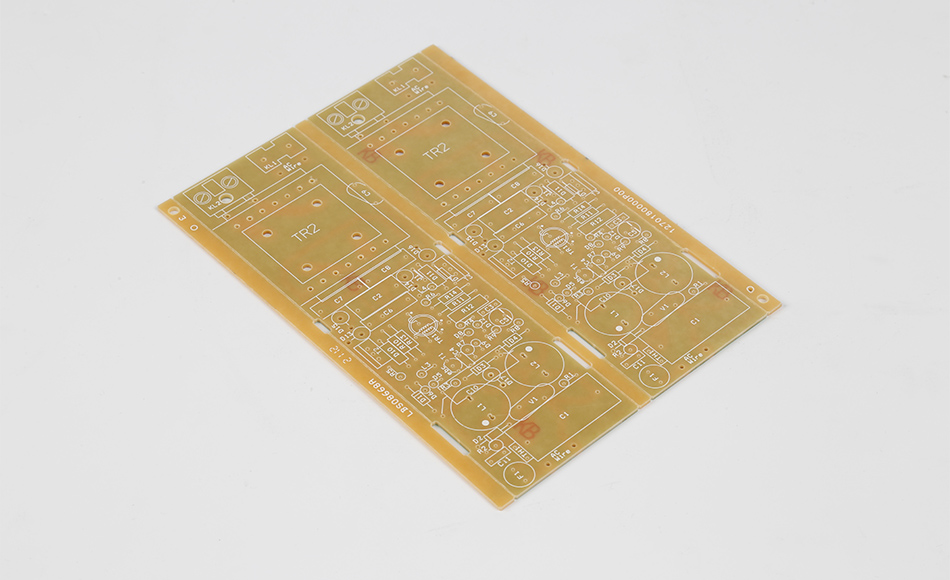
Thermal conductive CEM3 occupies a unique niche in thermal management materials:
Thermal conductive CEM3 offers superior heat dissipation, making it suitable for heat-sensitive applications where standard CEM3 would fail. For example, a standard CEM3 PCB in a high-power LED fixture might overheat, while thermal conductive CEM3 keeps temperatures within safe limits.
vs. Metal-Core PCBs (MCPCBs)
MCPCBs (aluminum or copper core) have higher thermal conductivity but are heavier, more expensive, and less electrically insulating. They are ideal for high-power devices like industrial LEDs, but thermal conductive CEM3 is sufficient for low-to-moderate power applications, offering better value.
Ceramics (e.g., alumina) provide excellent thermal conductivity and electrical insulation but are brittle and costly. They are reserved for extreme environments, while thermal conductive CEM3 offers a practical alternative for everyday heat management.
FR4 PCBs with thermal vias (holes filled with conductive material to transfer heat to inner layers) can improve heat dissipation but are more complex to design and manufacture. Thermal conductive CEM3 offers a simpler, more cost-effective solution for many applications.
Manufacturers are investing in advancements to expand the material’s capabilities:
Research into novel fillers—such as hexagonal boron nitride (hBN) or aluminum nitride (AlN)—aims to boost thermal conductivity further without sacrificing electrical insulation or mechanical properties. These fillers could push thermal conductive CEM3 closer to MCPCB performance levels.
Developing bio-based epoxy resins with thermally conductive fillers (e.g., recycled ceramic particles) to reduce environmental impact, aligning with global sustainability goals in electronics manufacturing.
Designing thermal conductive CEM3 PCBs with integrated lightweight heat sinks (e.g., bonded aluminum fins) to create a “one-piece” thermal management solution, simplifying assembly for manufacturers.
Thermal Conductive CEM3 PCB Material represents a practical evolution of traditional CEM3, addressing heat management needs in moderate-heat applications without abandoning cost-effectiveness or mechanical stability. By enhancing the epoxy matrix with thermally conductive fillers and optimizing glass fiber structure, it bridges the gap between standard CEM3 and high-cost thermal materials, enabling reliable operation in devices from LED fixtures to automotive controls. As electronics become more compact and power-dense, thermal conductive CEM3 will play an increasingly critical role in ensuring performance and longevity, proving that effective heat management doesn’t require premium pricing. For engineers seeking a balanced solution, thermal conductive CEM3 offers the best of both worlds: improved thermal performance and the practical advantages that have made CEM3 a staple in electronics.

Got project ready to assembly? Contact us: info@apollopcb.com



 Whatsapp 0086 755 29438407
 Mail info@apollopcb.com
 Tel 0086 755 29438407


ABOUT US

PRODUCTS
TECHNOLOGY
KNOWLEDGE CENTRE
CULTURE
NEWS
We're not around but we still want to hear from you! Leave us a note:

Leave Message to APOLLOPCB
