-
- PCB TYPE
- PRINTED CIRCUIT BOARD PROTOTYPE ALUMINUM PRINTED CIRCUIT BOARD R&F PCB FPC HIGH FREQUENCY PCB HIGH-TG PCB HEAVY COPPER PCB HDI PCB PCB FOR LIGHTING METAL CORE PCB


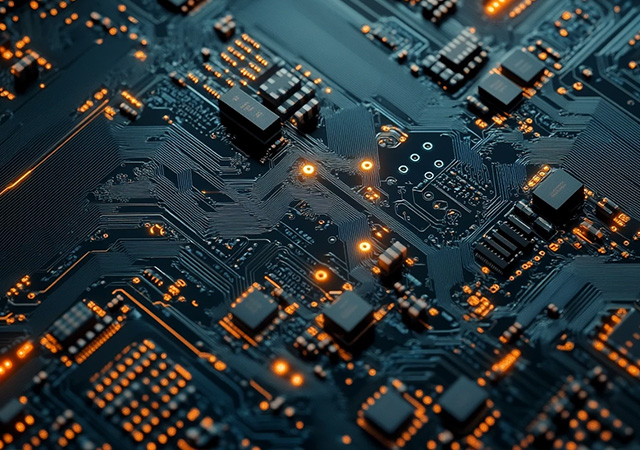
Panasonic R-1787 CEM3 is a core material for high-reliability mid-tier electronics, where consistent performance, environmental resilience, and manufacturing compatibility are essential. Unlike generic CEM3 (cost-focused, low stability), it targets critical application stressors—temperature swings, moisture—and balances thermal conductivity, mechanical strength, and electrical insulation. It fills the gap between low-performance CEM1 and costly FR4.In sectors like automotive infotainment, industrial automation, and smart energy (where downtime is costly), R-1787 delivers dependability and cost-effectiveness. For example, generic CEM3 failures in industrial PLCs halt production; R-1787 avoids this by maintaining integrity in extreme conditions.This article explores R-1787’s technical traits for high-reliability use, real-world applications, PCB design optimizations, and alignment with miniaturization/sustainability trends—supporting engineers building durable electronic systems.
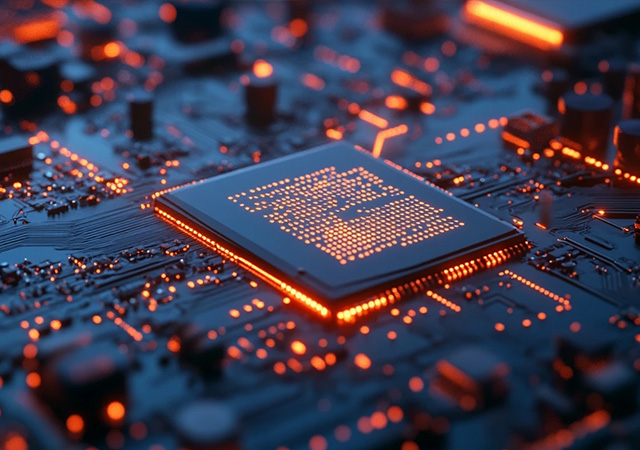
A R-1787 CEM3 Material Supplier acts as a strategic collaborator for PCB manufacturers, directly impacting their bottom line—far beyond basic substrate delivery. Unlike generic CEM3 suppliers (transactional vendors), top R-1787 suppliers use expertise in Panasonic’s formulation to create solutions that cut waste, streamline production, and adapt to market demands. For mid-tier electronics manufacturers (industrial control, consumer appliances), this collaboration is key to balancing R-1787’s required reliability with cost competitiveness.Missteps in R-1787 supplier selection cause hidden costs: overstocking (capital tied up), stockouts (production halts), or rework (inconsistent quality). Collaborative suppliers align with production cycles, anticipate bottlenecks, and optimize material use.This article explores how forward-thinking R-1787 suppliers drive cost efficiency via tailored supply chains, joint problem-solving, and adapting to trends like miniaturization—equipping procurement
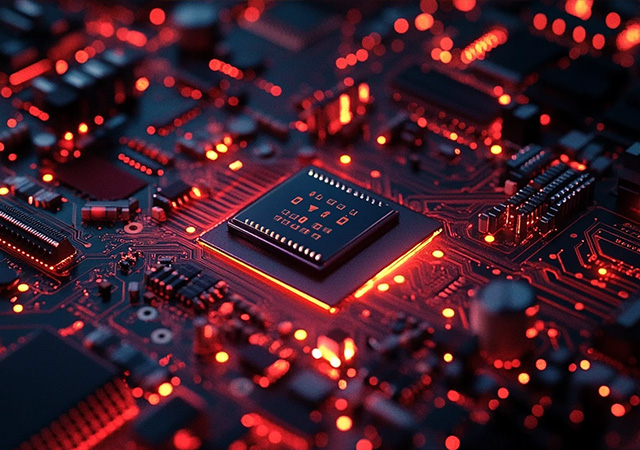
The Panasonic R-1787 CEM3 Datasheet is more than a catalog of technical values—it is a strategic risk-mitigation tool that unifies cross-functional teams (design engineers, manufacturing specialists, quality assurance, and procurement) around a shared understanding of CEM3 substrate performance. In electronics development, where even small mismatches between material capabilities and application demands can lead to costly field failures, this datasheet provides the granular, application-specific data needed to make informed decisions. Unlike generic CEM3 datasheets that list isolated specs (e.g., dielectric constant or flexural strength) without context, the Panasonic R-1787 document ties every property to real-world outcomes: How will the material behave during reflow soldering? Will it maintain insulation resistance in humid industrial environments? Can it withstand the mechanical stress of automated assembly?For industries relying on mid-tier electronics—from industrial automation (
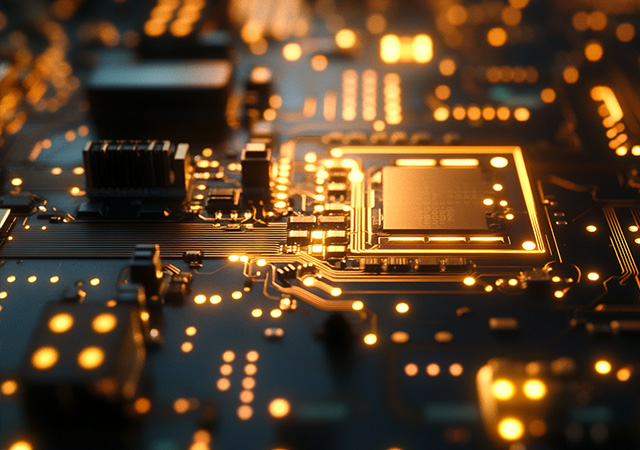
CEM3 PCB has emerged as a foundational substrate for the global low-power Internet of Things (IoT) ecosystem—a network of devices that prioritize energy efficiency, long battery life, and environmental sustainability. Unlike high-end substrates designed for extreme performance (and equally extreme costs) or low-grade alternatives prone to premature failure, CEM3 PCB strikes a critical balance: it delivers the energy efficiency needed for low-power IoT devices (e.g., smart sensors, wireless beacons) while supporting sustainable manufacturing practices that reduce electronic waste (e-waste) and carbon footprints.The low-power IoT sector is undergoing explosive growth, driven by applications like smart agriculture, remote environmental monitoring, and battery-powered smart home devices. These devices share three non-negotiable requirements: ultra-low energy consumption (to extend battery life to 5–10 years), affordability (to enable mass deployment of 10,000+ device networks), and sustain
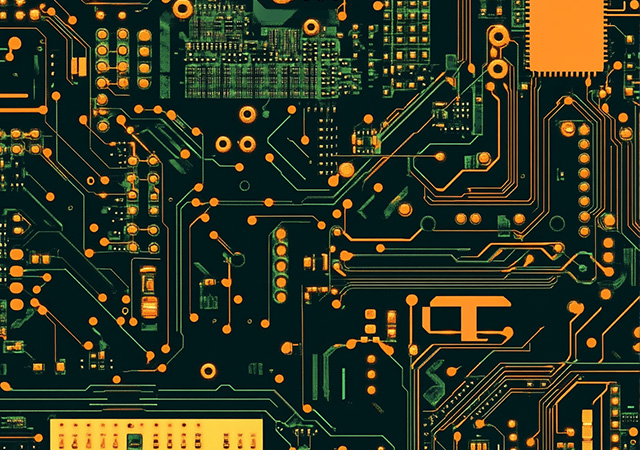
HA30 THERMAL CONDUCTIVITY CEM3 stands as a specialized composite epoxy substrate designed to address a critical gap in mid-tier electronics: the need for predictable, directionally optimized heat transfer that balances performance, cost, and manufacturability. Unlike generic thermal CEM3 materials—where thermal conductivity is an afterthought, leading to inconsistent heat dissipation—HA30 is engineered from the ground up to prioritize controlled thermal flow. Its value lies not just in "being thermally conductive," but in how its thermal conductivity performance is tailored to the specific heat challenges of mid-power devices: from guiding heat laterally across 5G antenna modules to transferring it vertically out of EV auxiliary chargers.In electronics, thermal conductivity is not a one-size-fits-all metric. A substrate optimized for in-plane heat spreading (e.g., to cool a distributed array of LEDs) requires a different design than one focused on through-plane heat transfer (e.g., to


Got project ready to assembly? Contact us: info@apollopcb.com



 Whatsapp 0086 755 29438407
 Mail info@apollopcb.com
 Tel 0086 755 29438407


ABOUT US

PRODUCTS
TECHNOLOGY
KNOWLEDGE CENTRE
CULTURE
NEWS
We're not around but we still want to hear from you! Leave us a note:

Leave Message to APOLLOPCB