




-
- PCB TYPE
- PRINTED CIRCUIT BOARD PROTOTYPE ALUMINUM PRINTED CIRCUIT BOARD R&F PCB FPC HIGH FREQUENCY PCB HIGH-TG PCB HEAVY COPPER PCB HDI PCB PCB FOR LIGHTING METAL CORE PCB


time:Jul 15. 2025, 09:35:43
As a global leader in aluminum-based copper clad laminate (CCL) manufacturing, Boyu has established a reputation for delivering versatile, high-performance materials that cater to the evolving needs of electronics industries worldwide. From consumer devices to industrial systems, Boyu’s aluminum CCLs integrate material innovation, precision engineering, and application flexibility, enabling breakthroughs in design and functionality. This article explores Boyu’s diverse product portfolio, technical versatility, quality frameworks, and industry partnerships, highlighting its role as a holistic solution provider in the aluminum CCL market.
Boyu’s flexible aluminum CCLs redefine possibilities in form factor design:
Bendable Laminates: Utilizing thin-gauge aluminum cores (≤0.2mm) and elastic dielectric materials like silicone-polyimide blends, these CCLs withstand repeated bending cycles (up to 100,000+ cycles) without performance degradation. Ideal for wearable health monitors, curved automotive displays, and foldable smartphones, they balance mechanical flexibility with thermal conductivity.
Conformal Electronics: Adhesive-backed variants enable seamless integration onto 3D surfaces, such as drone frames and industrial pipes, expanding the scope of smart sensing applications.
Catering to next-generation communication technologies:
Low-Dk Dielectrics: Proprietary formulations with dielectric constants (Dk) as low as 2.4 at 10 GHz minimize signal delay in 6G R&D and satellite communication systems. These laminates support data rates exceeding multi-Gbps, critical for ultra-high-speed networks.
Controlled Impedance Designs: Precision-engineered copper trace geometries and dielectric thicknesses ensure consistent impedance (±5%) across large panels, reducing signal reflection in radar and phased array antennas.
For power-intensive applications:
Thick Copper Cladding: Laminates with copper weights exceeding standard configurations support high-current distribution in industrial motor drives and EV battery busbars. The aluminum core dissipates resistive heat generated in heavy copper traces, preventing thermal overload.
Hybrid Bonding: A combination of mechanical interlocking and chemical adhesion ensures robust bonding between thick copper and aluminum, critical for vibration-prone environments like construction equipment.
Boyu’s aluminum CCLs excel in temperature extremes:
High-Temperature Stability: Laminates with ceramic-filled dielectrics and heat-resistant adhesives maintain integrity in industrial furnaces and aerospace engine compartments, operating reliably at continuous temperatures above 150°C.
Cryogenic Compatibility: Specialized formulations with low-temperature flexibility (down to -60°C) support superconducting electronics and liquid nitrogen-cooled quantum computing components.
Designed to withstand harsh conditions:
Moisture Resistance: Hydrophobic dielectric coatings and sealed edge treatments prevent water ingress in marine electronics and outdoor sensors, ensuring reliability in tropical or coastal environments.
Chemical Resistance: Acid- and alkali-resistant laminates, used in industrial chemical processing equipment, resist corrosion from harsh cleaning agents and operational fluids.
UV Stability: UV-blocking additives in dielectric layers prevent material degradation in solar-powered devices and outdoor LED signage, extending service life in direct sunlight.
Boyu’s quality framework includes comprehensive validation:
Thermal Shock Testing: Rapid temperature transitions (e.g., -40°C to +125°C in 5 minutes) verify laminate integrity, critical for automotive under-hood applications.
Signal Integrity Analysis: Vector network analyzers (VNAs) validate insertion loss and return loss in high-frequency CCLs, ensuring compliance with 3GPP standards for 5G/6G.
Mechanical Fatigue Testing: Dynamic load testing simulates years of vibration in transportation and industrial settings, ensuring solder joint and laminate durability.
Boyu’s CCLs meet global standards:
Automotive: IATF 16949 certification ensures compliance with automotive quality management systems, with specific qualifications for ADAS and EV components.
Medical: ISO 13485-certified laminates support biocompatible electronics in medical devices, meeting requirements for skin contact and sterilization compatibility.
Aerospace: AS9100D certification validates adherence to aerospace industry standards, including traceability and performance in extreme environments.
Boyu collaborates with industry stakeholders:
PCB Manufacturers: Joint development programs optimize CCL properties for specific fabrication processes, such as laser drilling and immersion tin plating, reducing production bottlenecks.
Material Suppliers: Strategic alliances with chemical and metal producers ensure access to advanced raw materials, from high-purity aluminum to next-gen dielectric fillers.
Research Institutions: Academic partnerships drive fundamental research in material science, exploring novel composites for future CCL applications.
Boyu offers end-to-end technical assistance:
Design for Manufacturability (DFM): Engineers provide guidance on CCL selection, layer stacking, and thermal via placement to optimize production yield and performance.
Application Testing: In-house labs simulate customer-specific operating conditions, validating CCL performance in prototype devices before mass production.
Supply Chain Integration: Just-in-time delivery and consignment inventory programs support lean manufacturing practices for high-volume customers.
Boyu reduces environmental impact through:
Energy-Efficient Manufacturing: Renewable energy integration (solar, wind) and energy recovery systems in production facilities cut carbon emissions by 35% compared to conventional processes.
Low-VOC Formulations: Volatile organic compound (VOC)-free adhesives and dielectric materials minimize air pollution during lamination and curing.
Beyond recycling:
Design for Disassembly: CCLs are engineered for easy separation of aluminum, copper, and dielectric layers at end-of-life, facilitating material recovery.
Reuse Programs: Refurbished CCLs from prototype runs are repurposed for low-volume industrial applications, reducing waste in product development cycles.
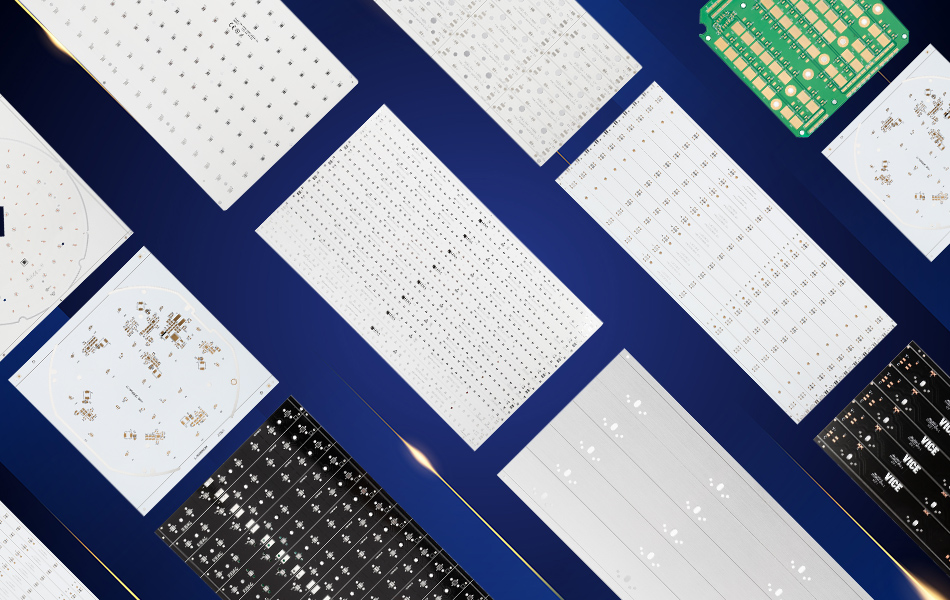
Boyu’s aluminum CCLs are entering growing sectors:
Medical Devices: Flexible, biocompatible laminates enable wearable ECG monitors and implantable neurostimulators, where soft tissue compatibility and thermal safety are critical.
Aerospace Avionics: Lightweight aluminum CCLs reduce aircraft weight in in-flight entertainment systems and navigation displays, improving fuel efficiency.
Targeted expansion in key markets:
Southeast Asia: Localized production in Vietnam supports electronics manufacturing hubs, supplying CCLs for smart home devices and automotive components.
Middle East: Partnerships with renewable energy firms drive adoption of aluminum CCLs in solar and wind power systems, leveraging regional focus on green energy.
Boyu’s R&D pipeline includes:
2D Material Integration: MXene and hexagonal boron nitride (hBN) additives for dielectrics, targeting unprecedented combinations of thermal conductivity and electrical insulation.
Self-Monitoring Layers: Embedded micro-sensors that detect laminate degradation in real time, enabling predictive maintenance in critical infrastructure.
Leveraging Industry 4.0 technologies:
Smart Production Lines: IoT-enabled equipment monitors process parameters in real time, adjusting lamination pressure and temperature to maintain consistent CCL quality.
Digital Twins: Virtual replicas of production processes simulate material behavior under varying conditions, optimizing formulations before physical prototyping.
Boyu Aluminum CCL stands as a testament to versatility and innovation in electronics materials, offering solutions that span flexible wearables to heavy-industry power systems. By prioritizing technical diversity, quality rigor, and sustainable practices, Boyu continues to enable advancements across industries, adapting to emerging trends like 6G, quantum computing, and green energy. As electronics evolve toward greater integration and environmental responsibility, Boyu’s aluminum CCLs remain a foundational technology, bridging material science and real-world application needs.
Related Articles
Aluminum PCB Manufacturer | High Thermal Conductivity MC-PCB Boards
HA80 Aluminum PCB Specifications: Technical Foundations and Industrial Adaptability
GDM Aluminum Based CCL: A Versatile Foundation for Modern Electronics
Ventec Aluminum CCL Material Datasheet: A Paradigm of Thermal and Electrical Excellence
Aluminium-Based CCL: Innovations in High-Performance Copper Clad Laminates
Aluminum PCB: Benefits and Applications for High-Power Electronics
Thermal Via Aluminum PCB Structure: Design Principles for Enhanced Heat Dissipation
Countersink Holes PCB Manufacturer: Precision & Quality
Aluminum PCB: Benefits and Applications for High-Power Electronics
Got project ready to assembly? Contact us: info@apollopcb.com



 Whatsapp 0086 755 29438407
 Mail info@apollopcb.com
 Tel 0086 755 29438407


ABOUT US

PRODUCTS
TECHNOLOGY
KNOWLEDGE CENTRE
CULTURE
NEWS
We're not around but we still want to hear from you! Leave us a note:

Leave Message to APOLLOPCB
