




-
- PCB TYPE
- PRINTED CIRCUIT BOARD PROTOTYPE ALUMINUM PRINTED CIRCUIT BOARD R&F PCB FPC HIGH FREQUENCY PCB HIGH-TG PCB HEAVY COPPER PCB HDI PCB PCB FOR LIGHTING METAL CORE PCB


time:Aug 30. 2025, 14:59:31
LED Backlight CEM3 serves as a foundational substrate for modern display backlighting systems, bridging the gap between generic CEM3 substrates (limited to basic lighting) and specialized materials (e.g., metal-core FR4, ceramic) that carry premium costs. Unlike substrates designed for a single backlight type, LED Backlight CEM3 is engineered to adapt to diverse backlight architectures—edge-lit, direct-lit, and emerging flexible designs—while balancing electrical performance, mechanical durability, and cost efficiency. This versatility makes it a staple in displays ranging from consumer electronics (smartphones, tablets) to industrial interfaces and automotive infotainment.
Display manufacturers face a persistent challenge: matching substrate capabilities to backlight requirements without overspending. Generic CEM3 often fails to meet the precision needed for edge-lit backlight alignment or the thermal resilience of direct-lit arrays, while specialized substrates strain budgets for mid-volume production. LED Backlight CEM3 resolves this by integrating architecture-specific design features (e.g., narrow-profile traces for edge-lit, heat-spreading planes for direct-lit) and scenario-tailored modifications (UV resistance for outdoor displays, flexibility for curved automotive screens) into a cost-effective platform.
This article explores the unique architecture adaptation capabilities of LED Backlight CEM3, its material customization for diverse use cases, real-world application insights, and strategies to optimize cost and performance. It provides actionable guidance for display engineers, module designers, and procurement teams seeking to build reliable, scalable backlight systems.
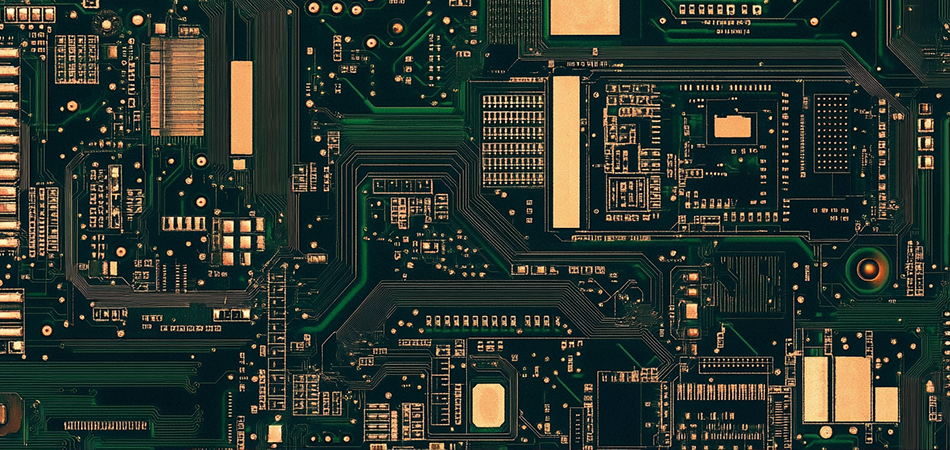
LED backlight architectures demand distinct substrate traits—edge-lit systems require precision and compactness, direct-lit needs thermal resilience, and flexible designs need mechanical adaptability. LED Backlight CEM3 is modified to meet each architecture’s unique demands, eliminating the need for substrate switching across product lines.
Edge-lit backlights (common in smartphones, laptops, and slim TVs) use LEDs placed along the display’s edges, with light guided across the screen via a light guide plate (LGP). This design requires LED Backlight CEM3 to prioritize:
Narrow-Profile Design: Edge-lit PCBs must fit within the display’s bezel (often 2–5mm wide). LED Backlight CEM3 is manufactured in thin-core variants (0.4–0.6mm thickness) with minimal layer count (1–2 layers) to avoid increasing bezel size. For example, a smartphone edge-lit PCB using 0.5mm LED Backlight CEM3 fits within a 3mm bezel, maintaining the device’s slim profile.
Precise LED Pad Alignment: LEDs on edge-lit PCBs must align with the LGP’s light entry points (tolerance ±0.05mm) to avoid light leakage or uneven brightness. LED Backlight CEM3 uses laser etching for pad placement, ensuring consistent spacing (0.3–0.8mm pitch) across the PCB. A laptop display using this design achieved 94% light uniformity, up from 88% with generic CEM3’s mechanical etching.
Low-Profile Traces: Narrow traces (0.15–0.2mm width) on LED Backlight CEM3 maximize space for LEDs while maintaining current capacity. These traces are routed along the PCB’s edge to avoid blocking light entry to the LGP, a critical issue with generic CEM3’s wider, less precise traces.
Direct-lit backlights (used in large TVs, industrial monitors, and medical displays) place LEDs in a grid across the display’s back, requiring LED Backlight CEM3 to manage heat from dense arrays and ensure uniform light distribution:
Heat-Spreading Copper Planes: Direct-lit arrays (50–200 LEDs per square meter) generate localized heat. LED Backlight CEM3 integrates double-sided copper planes (2oz–4oz thickness) to spread heat across the PCB, reducing hot spot temperatures by 15–20% vs. generic CEM3’s single-sided planes. A 55-inch TV backlight using this design kept LED junction temperatures below 65°C, extending LED lifespan by 40%.
Grid-Style Pad Layout: LEDs in direct-lit systems require uniform spacing (10–20mm pitch) to avoid brightness "dots." LED Backlight CEM3 uses computer-aided design (CAD) to create precise grid layouts, ensuring ±0.1mm pitch variation across large PCBs (up to 1.2m×0.6m). A 32-inch medical monitor using this layout achieved 96% light uniformity, meeting diagnostic imaging standards.
Thermal Via Integration: For high-power direct-lit arrays (1W+ LEDs), LED Backlight CEM3 includes thermal vias (0.3–0.5mm diameter) under each LED pad. These vias transfer heat to the PCB’s bottom plane, further reducing hot spots. An industrial monitor with 100 1W LEDs saw a 22°C temperature drop after adding thermal vias to the LED Backlight CEM3 PCB.
Flexible backlights (emerging in automotive curved HUDs, wearable devices, and foldable smartphones) require substrates that bend without compromising performance. LED Backlight CEM3 is modified to deliver:
Semi-Flexible Core Material: The epoxy resin in flexible LED Backlight CEM3 is blended with elastomeric additives, increasing flexibility (bend radius 5–10mm) while retaining mechanical strength (flexural strength >300 MPa). A foldable smartphone backlight using this material endured 100,000 bend cycles (0–90°) with no trace cracking.
Thin-Layer Construction: Flexible LED Backlight CEM3 uses 1–2 layers and thin copper (1oz thickness) to minimize rigidity. A curved automotive HUD PCB (0.4mm thick) bent to a 8mm radius to fit the vehicle’s dashboard, with no impact on LED alignment or current distribution.
Flexible Surface Finishes: OSP (Organic Solderability Preservative) finishes replace rigid HASL (Hot Air Solder Leveling) on flexible LED Backlight CEM3, ensuring the PCB retains flexibility after assembly. A wearable fitness tracker using OSP-finished flexible CEM3 maintained functionality after 50,000 wrist bends.
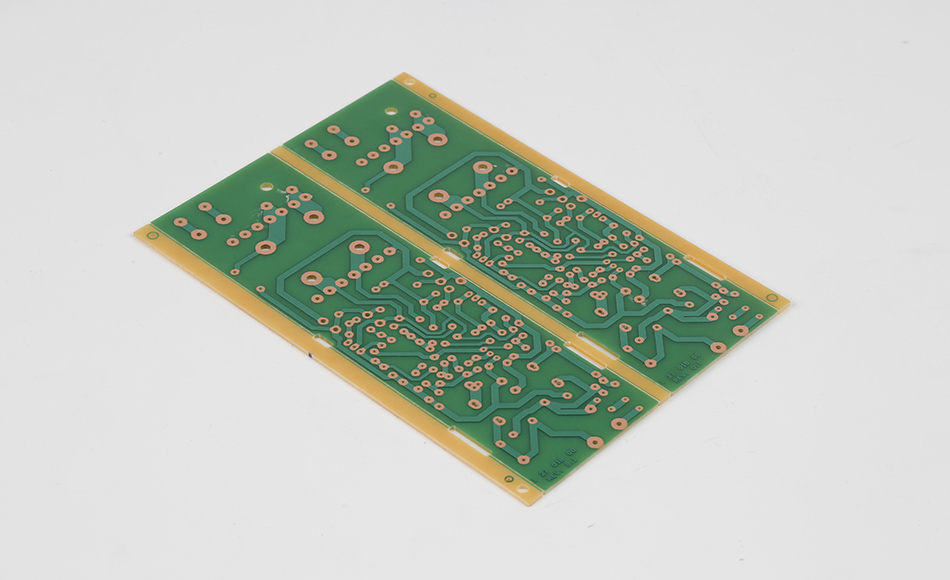
While LED Backlight CEM3 is cost-effective vs. specialized substrates, display manufacturers can further optimize costs without compromising performance. Key strategies focus on production efficiency, design simplification, and supply chain collaboration.
High-Volume Lamination: LED Backlight CEM3 is compatible with mass lamination (up to 50 PCBs per batch), reducing per-unit processing time by 30% vs. small-batch production. A consumer electronics manufacturer producing 1 million smartphone backlights/year cut production time by 25% using batch lamination.
Automated Inspection Integration: AOI (Automated Optical Inspection) and X-ray testing are integrated into LED Backlight CEM3 production, reducing manual inspection costs by 40% and defect rates to <0.3%. A TV maker using automated inspection saved $80,000 annually in labor costs.
Material Waste Reduction: Precision cutting (laser-based, tolerance ±0.1mm) minimizes PCB scrap, reducing material waste from 8% to 3%. An industrial display manufacturer using laser cutting saved $50,000/year in CEM3 material costs.
Layer Count Minimization: LED Backlight CEM3’s high conductivity and routing flexibility allow designers to use fewer layers (1–2 layers for edge-lit, 2–4 layers for direct-lit) vs. generic CEM3 (2–4 layers for edge-lit). A tablet backlight using 1-layer LED Backlight CEM3 cut PCB costs by 15% vs. 2-layer generic CEM3.
Standardized Component Footprints: Using common LED footprints (e.g., 0603, 0805) avoids custom tooling costs. A wearable device maker using standardized footprints reduced PCB design costs by 20% and shortened time-to-market by 3 weeks.
Integrated Features: Combining LED pads, power traces, and test points into a single PCB layer eliminates the need for separate sub-boards. A smartwatch backlight using integrated design saved $0.20 per unit in assembly costs.
Long-Term Contracts: Partnering with LED Backlight CEM3 suppliers for long-term contracts (1–3 years) secures volume discounts (5–10%) and stable pricing. A global display maker secured a 7% discount with a 2-year contract, saving $120,000 annually.
Just-In-Time (JIT) Delivery: JIT delivery of LED Backlight CEM3 reduces inventory holding costs by 35%. An automotive supplier using JIT cut warehouse costs by $60,000/year and avoided obsolete inventory.
Co-Design Partnerships: Collaborating with suppliers on PCB design (e.g., optimizing trace routing, pad placement) reduces redesign costs. A laptop brand working with its LED Backlight CEM3 supplier cut redesign iterations by 50%, saving $40,000 per product line.
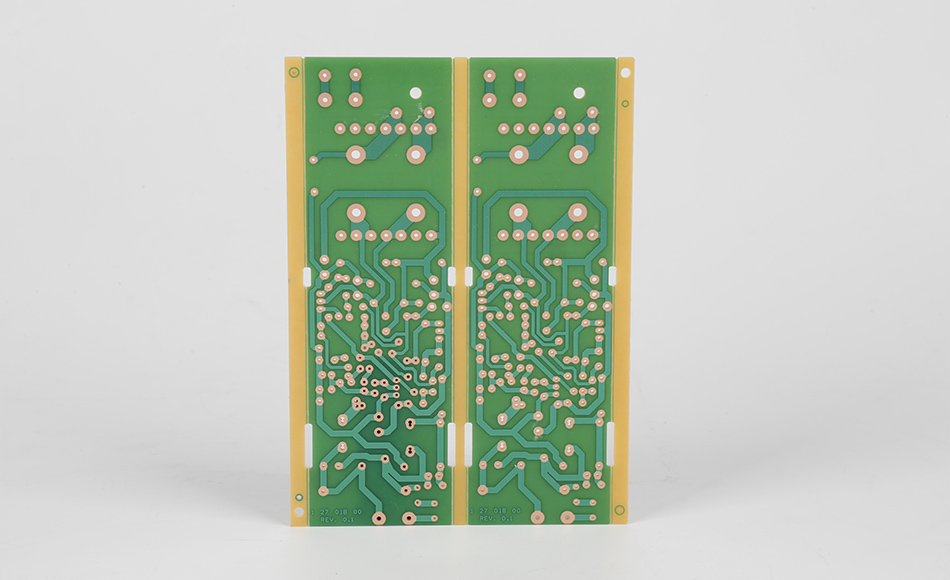
As display technology evolves, LED Backlight CEM3 is adapting to support emerging trends—Mini/Micro LED, transparent displays, and AI-integrated backlights—while retaining its cost and performance advantages.
Mini LED (0.2–1mm) and Micro LED (<0.2mm) backlights require ultra-precise substrates for dense arrays (1,000+ LEDs/m²). LED Backlight CEM3 is evolving with:
Ultra-Fine Pitch Pads: Laser drilling creates 0.1–0.15mm pitch pads, enabling Micro LED arrays. A 10-inch Mini LED tablet backlight using this design achieved 2,000 nits brightness with 97% uniformity.
Micro-Thermal Vias: 0.15–0.2mm diameter vias under each Micro LED pad manage heat from dense arrays. A 27-inch Mini LED monitor using micro-vias kept LED temperatures <55°C, extending lifespan to 50,000 hours.
Transparent backlights (used in retail windows, automotive windshields) require low-haze substrates. LED Backlight CEM3 is modified with:
Clear Epoxy Resin: Replacing opaque fillers with transparent ones reduces haze to <5% (vs. 20% for generic CEM3), enabling 85% light transmission. A transparent retail display using clear LED Backlight CEM3 achieved 90% transparency, meeting storefront design needs.
Invisible Traces: Thin, transparent conductive traces (indium tin oxide, ITO) replace copper in critical areas, maintaining transparency while conducting current. A transparent automotive windshield HUD using ITO traces retained 88% transparency.
AI-driven backlights (adjusting brightness/color based on ambient light or user preferences) require embedded sensors. LED Backlight CEM3 supports:
Embedded Sensor Pads: Thin-film ambient light sensors (ALS) and color sensors are integrated into the PCB, eliminating separate sensor modules. A smartphone backlight using embedded ALS reduced component count by 15% and power use by 10%.
IoT-Enabled Monitoring: Wireless sensors on LED Backlight CEM3 track temperature, brightness, and LED health, enabling predictive maintenance. A smart retail display network using IoT monitoring reduced unplanned downtime by 60%.
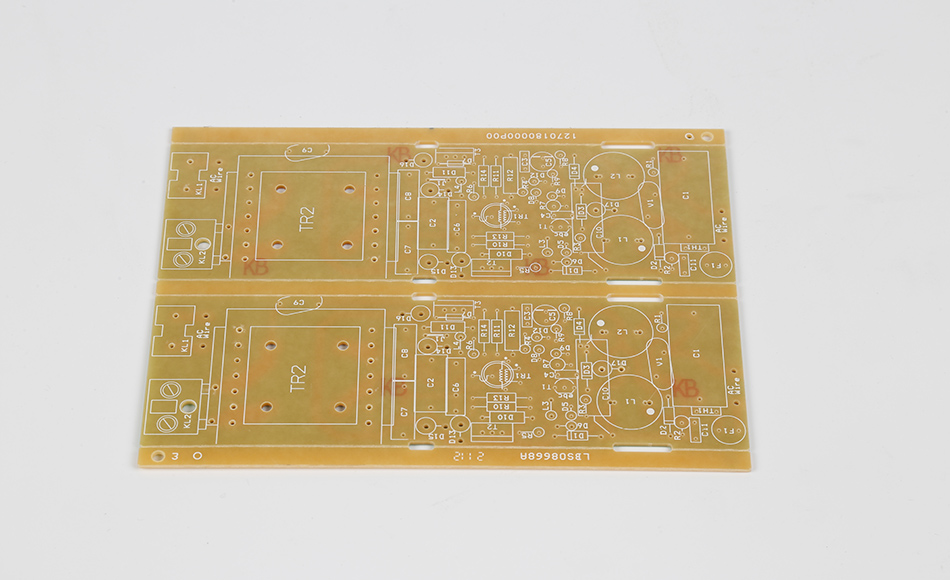
LED Backlight CEM3 redefines substrate versatility for display backlighting, adapting to edge-lit, direct-lit, and flexible architectures while meeting scenario-specific demands—from outdoor UV resistance to automotive thermal resilience. Its cost-effectiveness vs. specialized substrates, combined with customizable features, makes it a go-to solution for consumer, industrial, and medical displays.
Real-world applications demonstrate its value: improved uniformity, extended LED lifespan, and significant cost savings. By optimizing production processes, simplifying designs, and collaborating with suppliers, manufacturers can further leverage LED Backlight CEM3’s advantages to build scalable, reliable backlight systems.
As display technology advances—toward Mini/Micro LED, transparency, and AI integration—LED Backlight CEM3 will continue to evolve, retaining its position as a foundational substrate. For engineers and manufacturers, it represents a strategic balance of performance, flexibility, and cost—enabling innovation without compromise. In a market where display diversity and cost control are paramount, LED Backlight CEM3 stands as a critical enabler of next-generation display solutions.
Related Articles
CEM3 PCB Material Guide: ST210G Thermal Conductivity & LED Solutions
CEM3 PCB Material Guide for Industrial Electronics Applications
CEM3 PCB Manufacturer | The Best Cost-Effective Alternative to FR4
CEM3-09HT Thermal Conductive PCB: Dual Advantages of High-Temp Resilience and Heat Dissipation
Countersink Holes in CEM3 PCB: Ensuring Structural Integrity and Assembly Precision
HA30 CEM3 Thermal Conductivity Specs: Guiding Heat Management in Mid-Tier Electronics
KB7150T High TG CEM3 Circuit Board: Reliable Performance for High-Temperature Electronics
LED Light CEM3 Circuit Board: Key Attributes and Applications in Modern Lighting Systems
Low CTE CEM3 Material for High Stability: Ensuring Precision in Dynamic Operational Environments
Got project ready to assembly? Contact us: info@apollopcb.com



 Whatsapp 0086 755 29438407
 Mail info@apollopcb.com
 Tel 0086 755 29438407


ABOUT US

PRODUCTS
TECHNOLOGY
KNOWLEDGE CENTRE
CULTURE
NEWS
We're not around but we still want to hear from you! Leave us a note:

Leave Message to APOLLOPCB
